Articles
Island Development
Biocultural Ethics and Natural Laboratories: A Compass for Island Regeneration
At the southernmost edge of the American continent, where the oceans meet in a rugged and untamed landscape, the Cape Horn International Centre (CHIC) works under a premise that challenges the traditional vision of sustainability: we cannot protect nature if we do not heal our relationship with it.
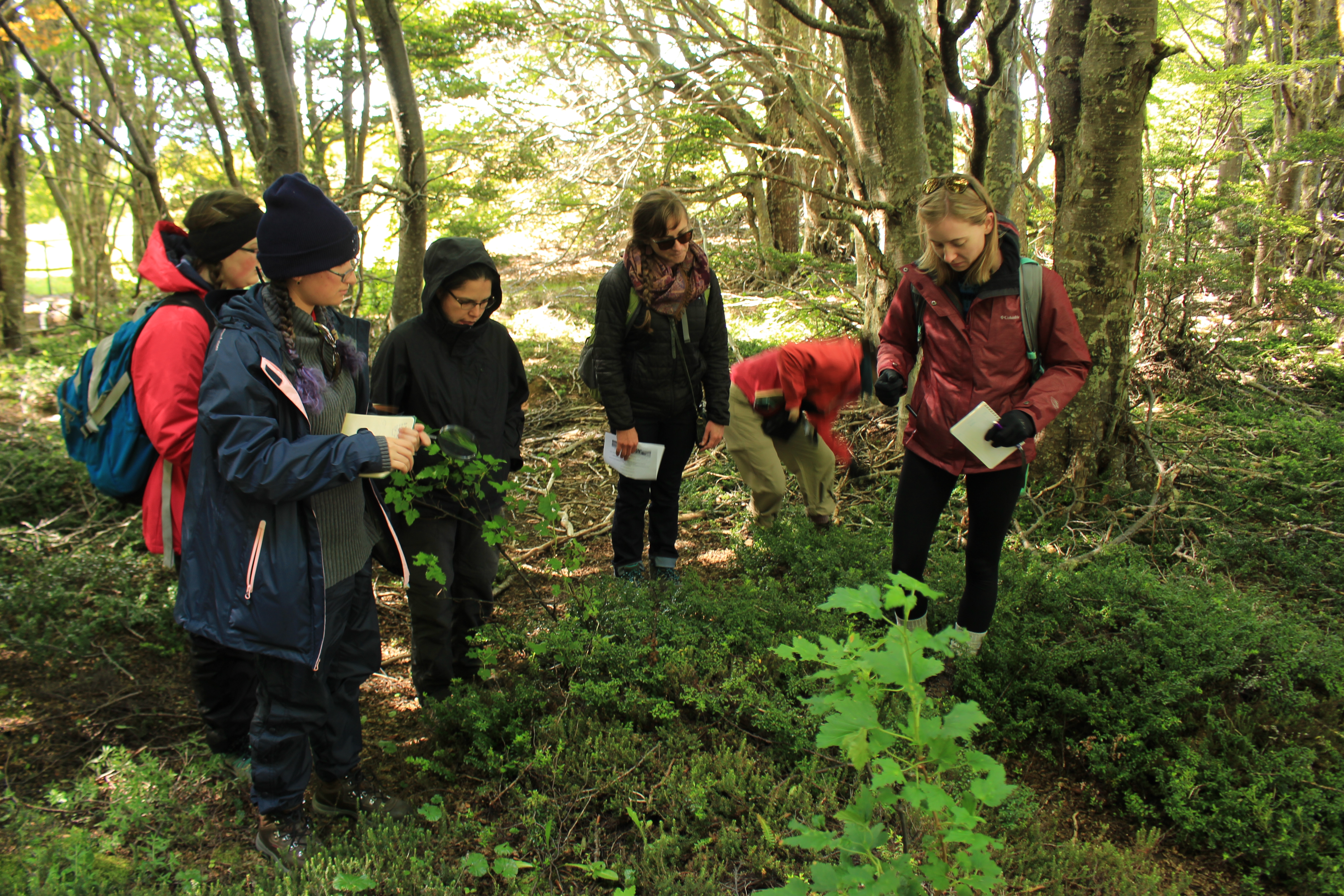
From the Cape Horn Biosphere Reserve, we propose a model of governance grounded in Biocultural Ethics, an essential compass for islands that today act as sentinels of global climate change.
The 3Hs Model: Habitat, Habitant and Habit
The philosophy of CHIC, based on the work of Dr Ricardo Rozzi, proposes that conservation is not only a biological matter, but also an ethical and cultural one. It is structured around the relationship between three fundamental dimensions: Habitats, Habitants (human and non-human), and Habits of life.
Across islands and remote territories, we have often tried to protect habitats without recognising that it is our habits that ultimately determine the health of ecosystems. A Natural Laboratory is not simply a place for scientific monitoring. It is a space where habits can be cultivated that recognise the intrinsic value of every inhabitant.
In Puerto Williams, this perspective means learning from the sentinels of climate change. These range from the miniature forests of lichens and bryophytes, which require humans to kneel down in order to observe their remarkable diversity, to the purity of sub-Antarctic waters, which call for a new “ethics of water” in a thirsty world where water is increasingly scarce and biodiversity is disappearing.
Regenerative Tourism as a Change in Habits
As an environmental lawyer, I understand that laws alone do not transform reality if there is no change in human behaviour. This is where regenerative tourism becomes a practical expression of biocultural ethics.
Unlike conventional tourism, which often treats nature as a backdrop for consumption, regenerative tourism invites the traveller to move from being an external observer to becoming a temporary co-habitant. This practice involves three key dimensions:
- Biocultural immersion: Understanding that biodiversity and local culture are inseparable. One does not simply visit a landscape; one interacts with a living history.
- Slowing down our habits: Learning to observe the small and often overlooked elements of nature, such as lichen forests. This “biocultural lens” allows travellers to reconnect with natural rhythms, something increasingly vital for both ecological and mental wellbeing in the twenty-first century.
- Ethical responsibility: Recognising that our presence should actively contribute to restoring habitats. It is not enough to “leave no trace”. The goal is to leave a positive trace that strengthens the wellbeing of local inhabitants and their environment.
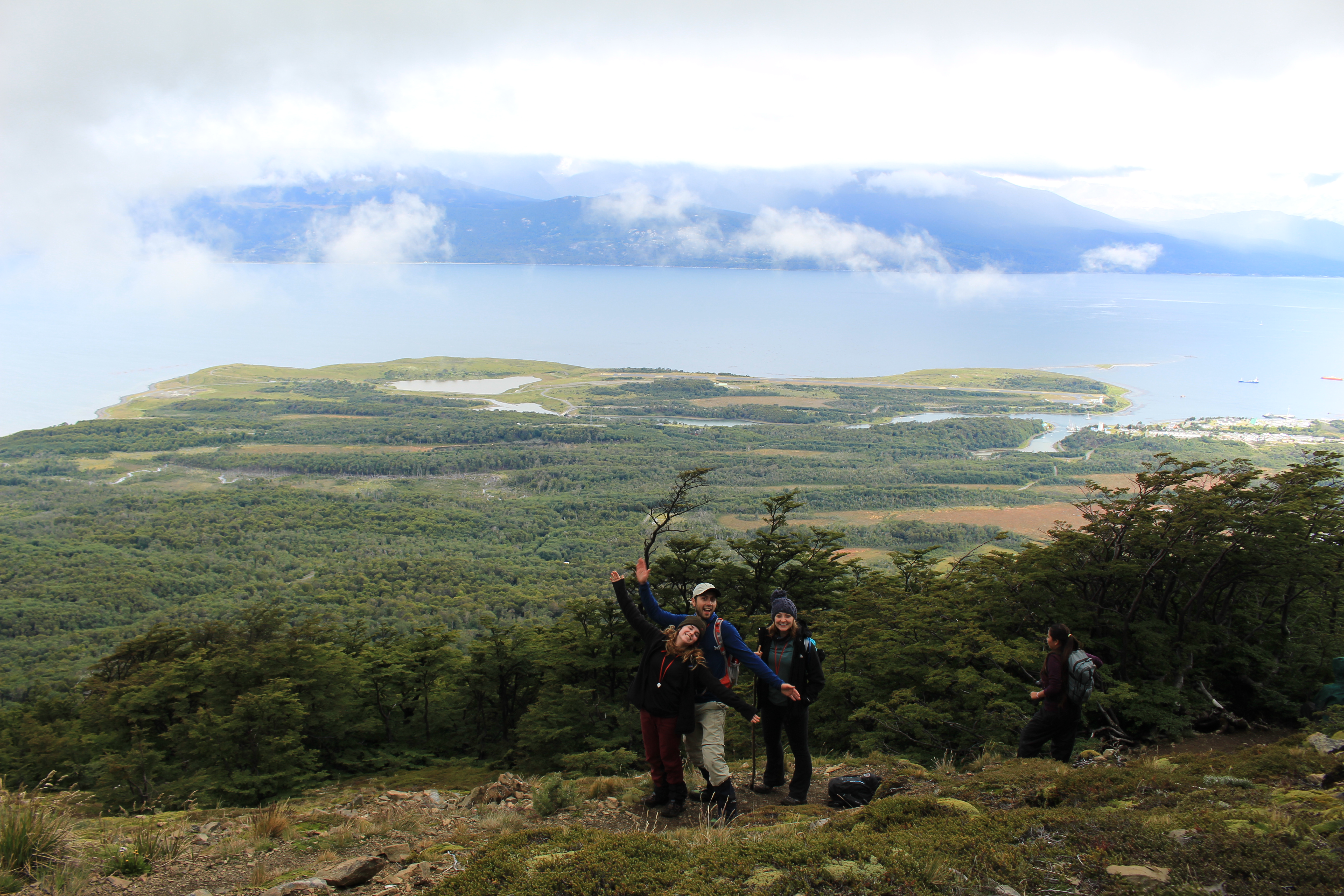
The Natural Laboratory as a Model for the World’s Islands
Island nations today face a dual challenge: ecological fragility and exposure to climate change. The CHIC model proposes that every island territory can function as a Natural Laboratory, where science and ethics are not separate activities but the foundation of governance.
Applying the 3Hs methodology to island management allows research on biological sentinels to inform development policies directly. Under this perspective, tourism evolves from an extractive industry into a form of participatory science and environmental regeneration, where visitors help finance and support the protection of shared resources such as clean water and endemic biodiversity.
Towards Gran Canaria 2026: An Invitation to the South
At the upcoming Global Sustainable Islands Summit, my participation seeks to build a bridge between the biocultural theory developed in Cape Horn and the urgent needs of islands around the world.
We invite leaders and decision-makers to look towards the south not only as a geographical reference, but also as an ethical direction. By recognising that human wellbeing is inseparable from the wellbeing of ecosystems, islands can move from being vulnerable points on the map to becoming beacons of global regeneration.
The solution is not purely technical. It requires a deeper reconnection with our identity as co-inhabitants of this shared “spaceship” we call Earth.