
Articles
Climate Finance
Building Island Resilience: Financing the Future of Ocean Countries and Territories
Part of the Island Voices @ COP30 Series
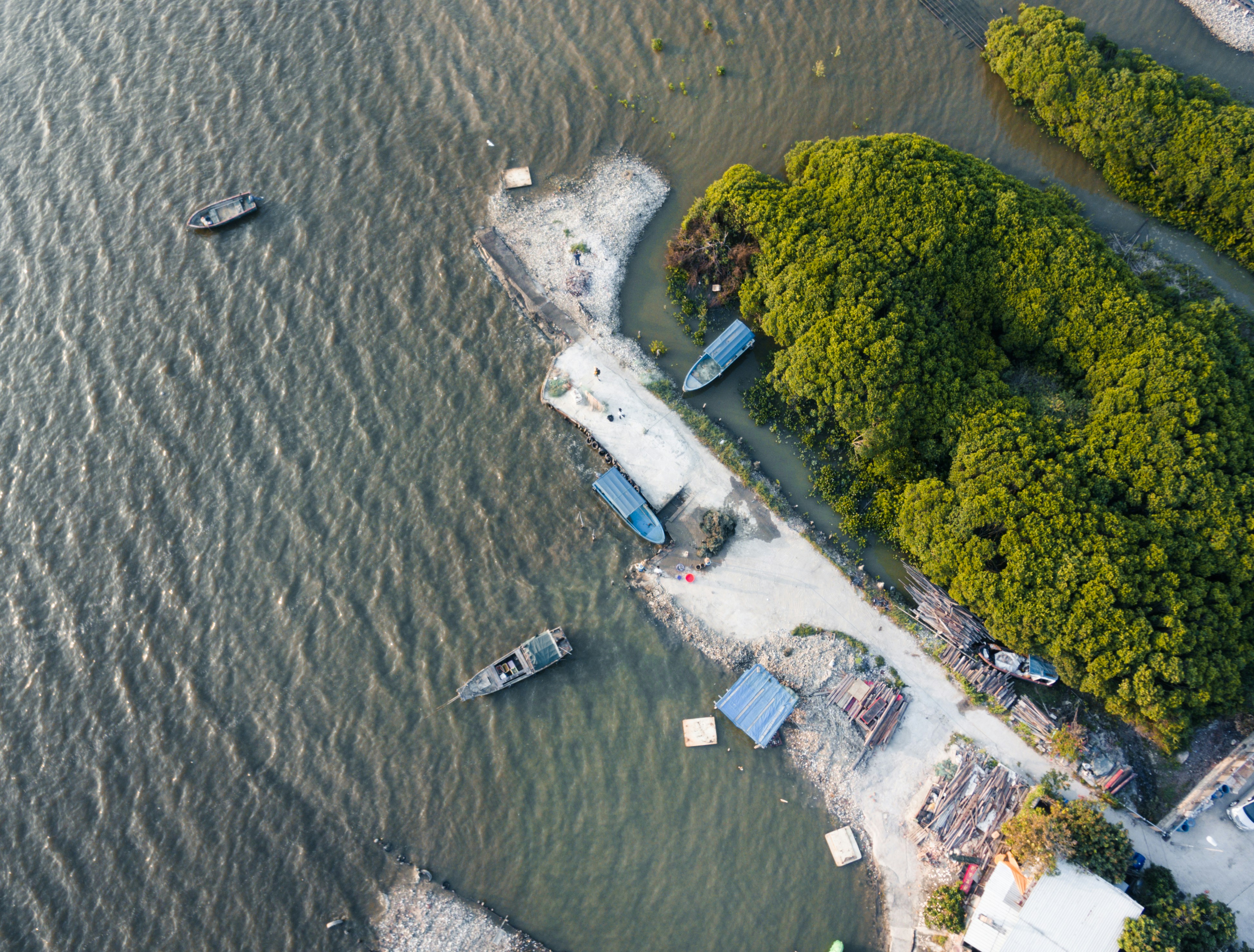
Despite being self-governing island entities politically associated with European countries, Overseas Countries and Territories (OCTs) remain exposed to the same vulnerabilities as independent Small Island Developing States (SIDS). While international recognition and support are essential, their climate resilience depends on building sustainable, locally anchored financial ecosystems.
The Island Voices @ COP30 virtual session, "Building Island Resilience: Creating a Sustainable Finance Sector in Sub-National Island Jurisdictions," examined this challenge. Adam Ó Ceallaigh, Coordinator of the Secretariat of the SNIJ Coalition, moderated a panel of leading experts in finance, governance, and sustainable development who shared practical approaches to making climate finance more accessible, inclusive, and tailored to the realities of small jurisdictions.
Supporting Overseas Countries and Territories
Ahab Downer, Programme Director of the Green Overseas (GO) Programme, presented the EU-funded initiative that supports 25 European and British Overseas Countries and Territories (OCTs) in achieving sustainable and resilient development. The Green Overseas Programme, implemented by Expertise France and funded by the European Union, helps territories bridge the climate finance gap by creating a stronger enabling environment for investment in energy transition and resilience projects.
Many OCTs face structural barriers in accessing multilateral funds because they are tied to high-income "mother countries" but lack fiscal independence. "These territories are at the frontlines of climate change but often fall between the cracks of the global finance system," he said. The GO Programme aims to close this finance gap primarily through technical assistance, capacity-building, and project preparation support, all designed to help islands design bankable projects and attract long-term capital. Crucially, this effort also involves putting OCTs in the spotlight at major international events, including those directly organised by GO (such as the GO Climate Finance Forum) and other key global forums like COPs and UN Ocean Conferences.
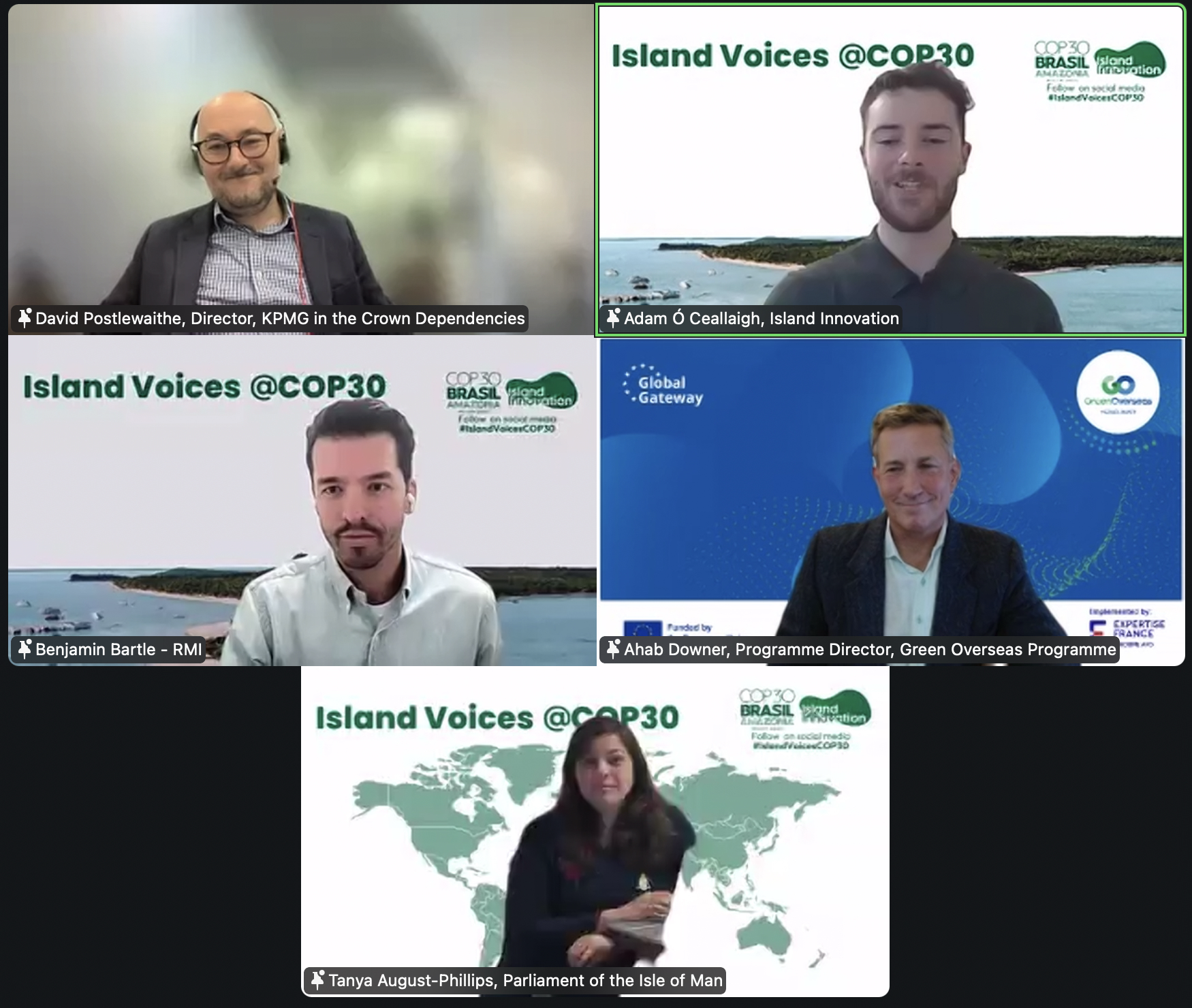
Tanya August-Phillips, MLC, Member of the Legislative Council, Isle of Man, highlighted how the island is turning policy ambition into financial opportunity. The Isle of Man, recognised as the world's first entire-nation UNESCO Biosphere Reserve, is pioneering a model that links biodiversity protection with financial innovation. She outlined key frameworks such as the Climate Change Act, which legally commits the island to net zero by 2050, and the Sustainable Finance Roadmap, which guides capital flows toward green investments.
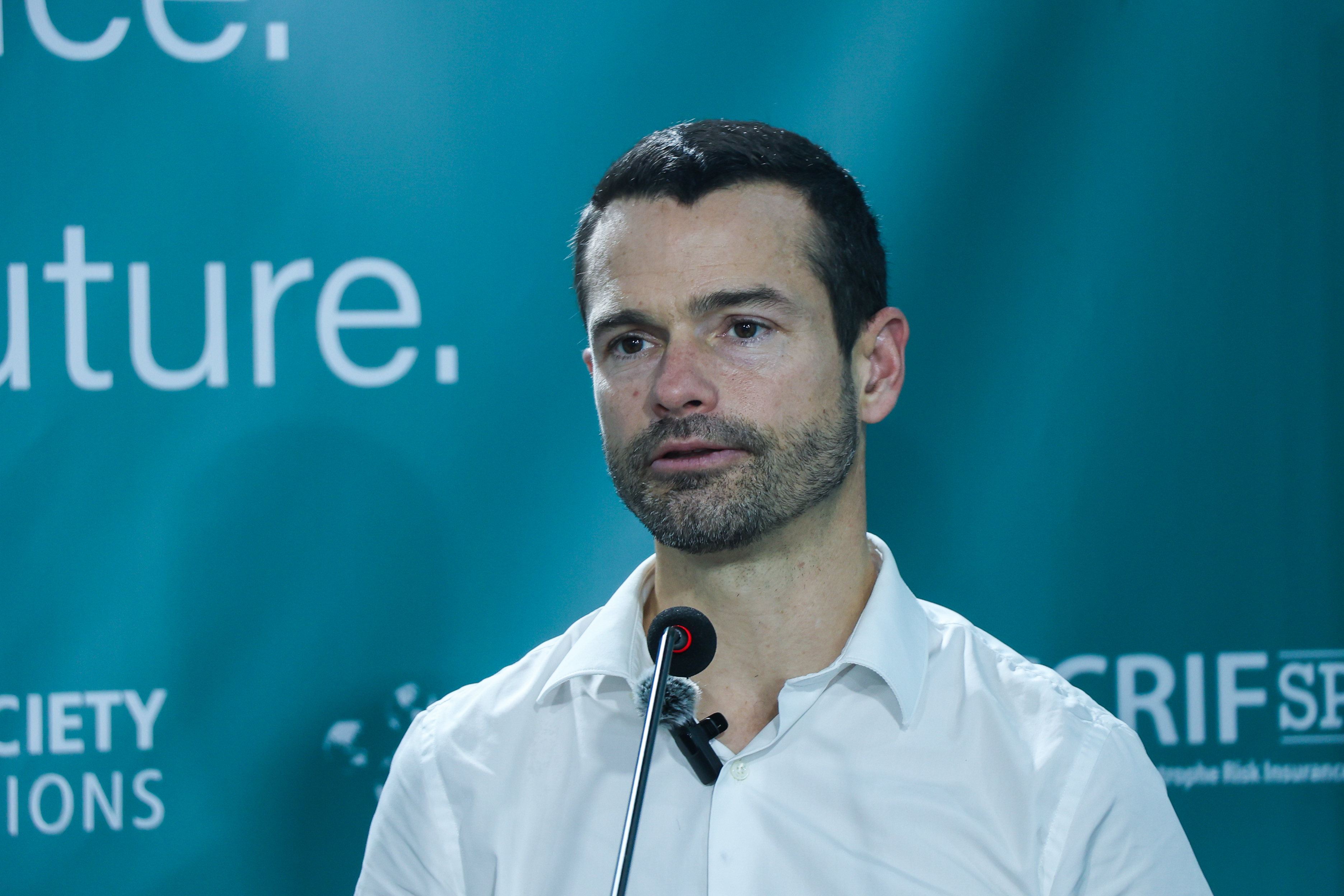
Benjamin Bartle, Director of Catalytic Finance at RMI (Rocky Mountain Institute), focused on what it takes to translate commitments into real impact. He emphasised that islands need "early-stage project preparation funding", which is capital that helps turn ideas into "bankable reality." Bartle categorised the key priorities into three "buckets" to watch at COP30:
- Finance Architecture – ensuring concessional and de-risked finance is available for small economies.
- New Mechanisms – such as endowment-style models for ecosystem services, which provide sustainable funding for conservation.
- Project Aggregation – bundling smaller island projects to achieve economies of scale and attract institutional investors.
David Postlethwaite, Director of ESG at KPMG in the Crown Dependencies, contributed insights from a regulatory and strategic standpoint. Drawing from KPMG's work with 11 island jurisdictions, he noted both the diversity and shared challenges among them. While islands' financial centres often align with either UK–European or US regulatory systems, their shared vulnerability to global shocks creates opportunities for cooperation and harmonised standards.
Key Challenges and Solutions
1. The Finance Gap
Panellists agreed that funding for climate resilience and energy transition remains grossly insufficient for subnational island territories. Because OCTs are politically linked to high-income countries, they are ineligible for many traditional SIDS funding mechanisms. Yet their "parent countries" often lack tailored mechanisms for supporting local climate projects.
The Green Overseas Programme addresses this by helping territories identify diversified finance pathways, ranging from EU grants to public-private partnerships, and build institutional readiness to access them. For instance, the program supports Bermuda in revising its building code to strengthen climate resilience against hurricanes, aids Saint Helena in reforming its energy regulatory framework to achieve 80% renewable electricity by 2027/28, and assists the Falkland Islands in assessing blue/green finance potential to generate revenue via carbon credits from peatland restoration.
2. The Need for Coherent Policy and Legal Frameworks
The Isle of Man's Climate Change Act and Biosphere designation were cited as best-practice examples of how legislative commitment provides investor confidence. Legal clarity enables a predictable pipeline of green projects, allowing islands to attract private capital through green bonds and conservation credits.
3. Catalytic Finance and Project Pipelines
The greatest challenge is not the absence of global finance but the lack of bankable projects. Small-scale adaptation and renewable energy projects often fail to meet investor requirements due to limited preparation funding. Building regional project pipelines and standardised financing templates could help islands move from concept to capital more efficiently.
4. Cooperation and Knowledge Sharing
Programmes like Green Overseas and networks such as Finance Centres for Sustainability (FC4S) allow islands to exchange experiences and benchmark progress. The GO Programme is helping territories like Anguilla to develop sustainable groundwater management plans, assisting Saint Pierre and Miquelon with its coastal erosion adaptation strategy, and supporting the Cayman Islands in developing a national climate resilience scorecard. Meanwhile, August-Phillips noted that the Isle of Man is exploring ways to serve as a hub for nature markets, connecting biospheres worldwide with impact investors.
From Aid Dependence to Financial Autonomy
Islands are no longer just recipients of climate finance; they are architects of new financial models. From revolving adaptation funds to blended finance platforms, OCTs are experimenting with mechanisms to mobilise long-term capital while keeping value within their economies. Notably, the GO Expert Working Group on Sustainable Finance is actively building new tools and strategies to allow the OCTs to more efficiently access international finance.
Across partner territories, the Green Overseas Programme sees young people driving new ideas: from sustainable agriculture and hydroponics in Saint Martin, to community resilience projects in the British Virgin Islands and awareness campaigns in Curaçao.— Jérémie Pellet, Expertise France's CEO
"True resilience," said Downer, "comes when islands control their own financial destiny." By blending governance innovation with creative financial tools, OCTs can move from dependence on external aid to building self-sustaining economies capable of funding their own adaptation and resilience goals.
As COP30 amplifies calls for accessible and transparent climate finance, the experiences shared in this session demonstrate that when islands are empowered to design and manage their own financial ecosystems, they become global leaders in resilience innovation.