Articles
Blue Economy
Building Resilient Blue Economies: Paths for African SIDS
African Small Island Developing States hold vast ocean resources but face acute economic and environmental exposure. How can they build resilience?
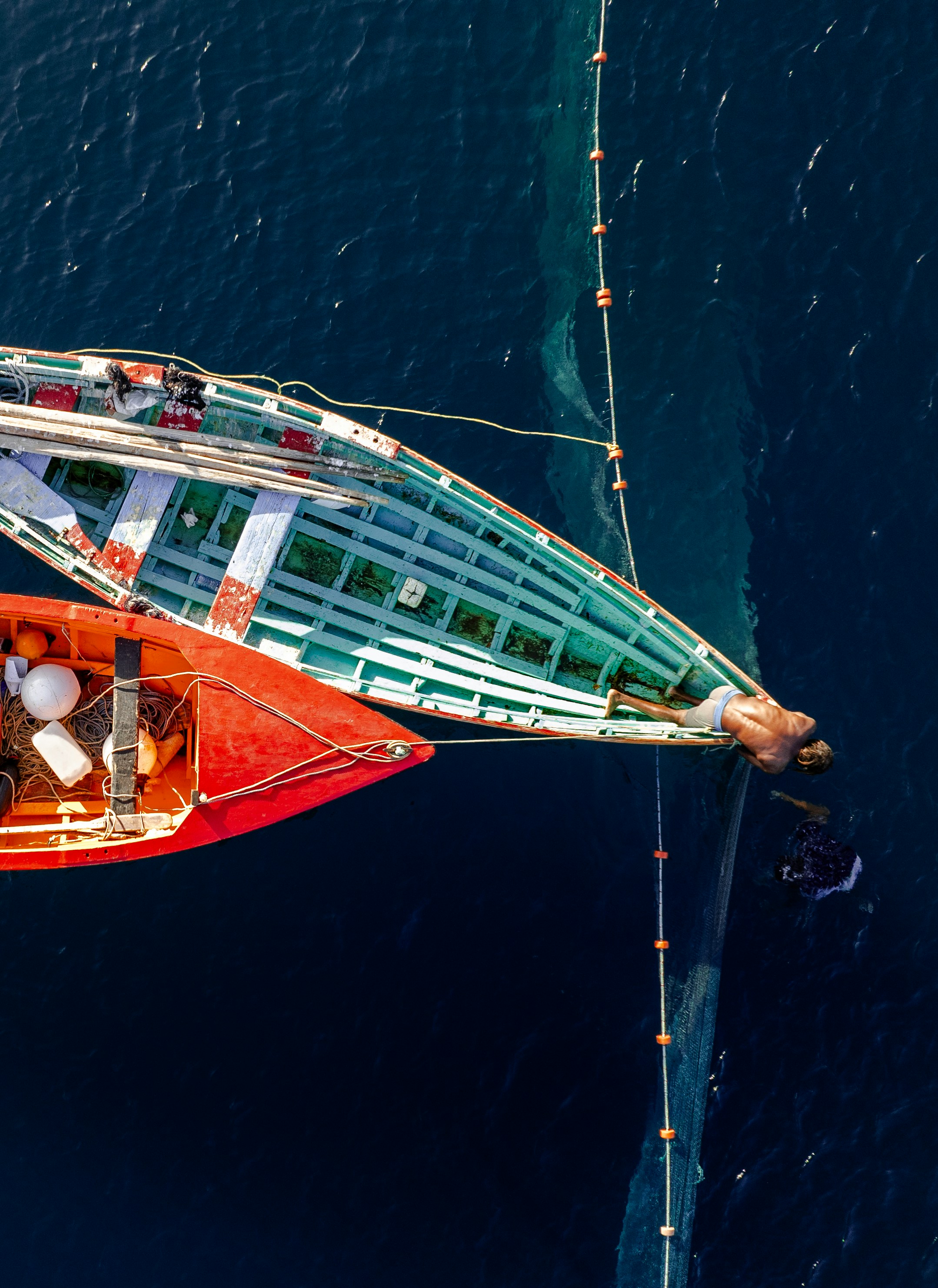
African Small Island Developing States (SIDS) such as Mauritius, Seychelles, Comoros and Cape Verde hold some of the largest ocean spaces relative to their land area, however their economies remain acutely exposed. The small domestic markets and concentrated export bases leave them sensitive to external shocks, while rising seas, stronger cyclones and coral loss amplify environmental and financial risk. Traditional reliance on tourism and fisheries has provided growth, but not the resilience needed in a more volatile climate and global economy.
Systemic Vulnerabilities
These vulnerabilities are long-standing and systemic. The COVID-19 pandemic made this clear as border closures paralysed tourism, supply chain breakdowns disrupted essential imports, and global shipping volatility increased the cost of key inputs for agriculture and manufacturing. The challenge for African SIDS is not a temporary downturn, but a structural exposure that requires new strategies to build economic stability and reduce dependence.
Development partners have often prioritised short-term recovery grants and budget support rather than tackling the root causes of dependence and building local capacity. As multilateral aid recedes amid competing global priorities, African SIDS should explore strategies that build self-reliance, stimulate private investment and diversify economic opportunities across blue economy sectors.
The Mauritius Blueprint
Mauritius presents a blueprint for such resilience through purposeful economic diversification and ocean stewardship. Once reliant on sugar, the island has branched into textiles, tourism, financial services and ICT. In 2012, the government unveiled a Blue Economy Roadmap to harness its 2.3 million square kilometre Exclusive Economic Zone (EEZ). Key initiatives include expanding marine protected areas, trialling sustainable aquaculture and upgrading Port Louis to a regional maritime hub.
The island’s transition to high-value seaweed farming for pharmaceutical and cosmetic applications illustrates this potential. Partnering with private biotech firms, Mauritius has attracted early-stage research and development funding, created specialised training for marine scientists and developed export channels with Europe and Asia.
Challenges do persist. The 2020 MV Wakashio oil spill exposed gaps in governance and crisis response that cost millions to clean up and lost tourism dollars. Overfishing by poorly regulated foreign fleets threatens fish stocks and marine ecosystems, and the skilled workforce required by high-value sectors such as marine biotechnology and offshore renewables remains scarce. Ambition alone cannot secure long-term gain in the absence of supporting institutions, human capital and environmental safeguards.
Regional Contrasts and Global Shifts
Regional neighbours demonstrate contrasting paths. The Seychelles pioneered Blue Bonds and debt-for-nature swaps linking marine conservation to climate finance. Its landmark USD 15 million Blue Bond financed the massive expansion of protected areas and community-led conservation. In contrast, Comoros continues to face persistent development and governance challenges that limit the pace of progress in its marine sector.
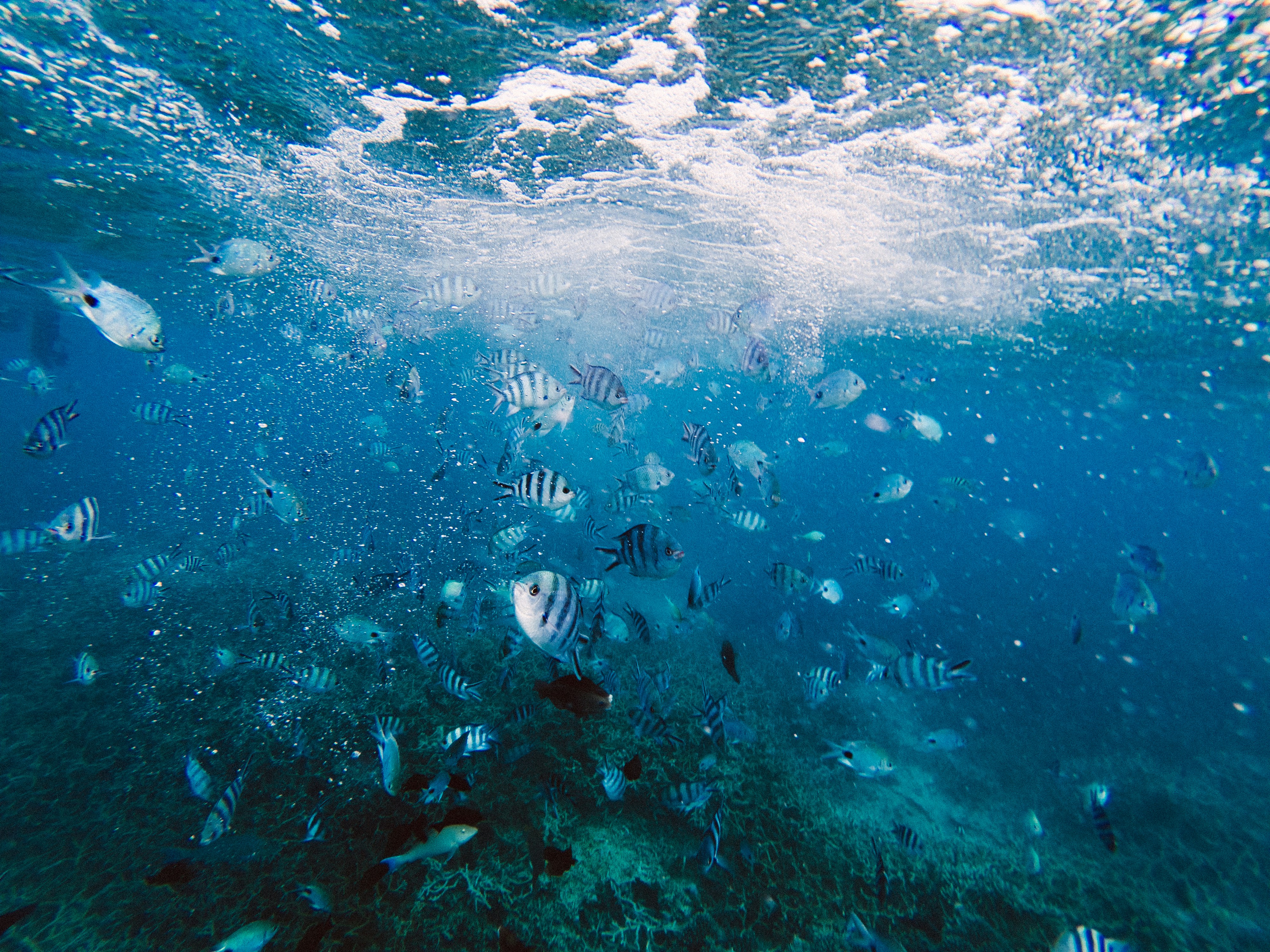
Marine life in the Western Indian Ocean.
The urgency of transformation is heightened by broader global shifts. African Small Island Developing States (SIDS) have been at the forefront of the Sustainable Blue Economy initiative since 2008, notes James Alix Michel, former President of the Republic of Seychelles and Founder of the James Michel Foundation. Michel agrees that SIDS are pursuing their Blue Economy ambitions in an increasingly multipolar world characterised by economic volatility, shifting trade patterns and political realignments.
The emerging Great Blue Wall Initiative spanning coastal and marine seascapes across the Western Indian Ocean exemplifies regional cooperation. The initiative aims to both mitigate climate impacts and unlock nature-based development opportunities by uniting contiguous conservation zones. Joint patrols deter illegal fishing, while shared data platforms inform adaptive management and disaster preparedness.
Innovation and Technology
Innovators must embrace digital technologies for ocean-based economies to thrive. Satellite monitoring systems, AI-driven maritime surveillance and blockchain-enabled supply chain traceability improve resource management and build consumer trust. Mauritius’ new Ocean Data and Research Centre leverages drones and remote sensors to map coral health and fish populations, guiding targeted restoration projects.
Financing the Future
As Official Development Assistance (ODA) recedes, African SIDS must mobilise sustainable investment and strategic partnerships. Access to concessional and private capital increasingly hinges on demonstrations of environmental stewardship and transparent governance structures. Green bonds, sustainability-linked loans and blended finance platforms can de-risk early-stage ventures in offshore energy, aquaculture and marine biotech.
“Blended finance can absorb early-stage risks and attract private investors,” explains Hajatiana Eric Randrianomenjanahary, CEO at Red Sky Consulting, to UNDP in Madagascar. He highlights UNDP-backed feasibility studies for floating solar farms and emerging marine biotech start-ups across the region, which have secured follow-on funding from impact investors.
Access to international finance now depends on environmental, social and governance (ESG) performance. Many other factors and criteria play huge roles with different international financial architectures having different requirements to provide finance to different countries, institutions and projects/programmes.
“ESG performance is gaining traction as part of the criteria for accessing international finance,” agrees Samuel Ogallah, Head of Unit, Climate Change and Senior Climate Change Advisor at the African Union. SIDS must strengthen governance and credible project pipelines to meet evolving standards, implores Nancy Karigithu, Kenya’s Ambassador and Special Envoy for Maritime and Blue Economy. She urges that embedding sustainability into national strategies will shape capital flows and ensure community inclusion.

Building human capital and empowering youth is essential for a resilient Blue Economy.
Human Capital and Inclusion
Building human capital underpins every element of a resilient Blue Economy. Initiatives such as the Indian Ocean School of Marine Sciences, a partnership among universities in Mauritius, Seychelles and South Africa, train young professionals in marine ecology, maritime law and coastal engineering. Regional exchange programmes foster knowledge sharing and cultivate future leaders.
“Strengthening governance, local and Indigenous knowledge, human capital and regional cooperation are key,” says Marie Stéphania Perrine, Former UN Climate Change Fellow based in Port Louis. She warns that East African SIDS still trail Caribbean peers in climate action, hindered by data gaps and limited information sharing.
Gender and youth engagement amplify impact. In Mauritius, women-led cooperatives in artisanal fisheries have secured microfinance for sustainable gear and eco-tourism ventures. Youth incubators support ideas ranging from biodegradable fishing nets to sea-salt cosmetics. Such grassroots enterprises diversify income and generate local buy-in for conservation.
Safeguards and Governance
Even as islands embrace blue growth, environmental safeguards must be non-negotiable. Strict zoning regulations, ecosystem service valuations and community-led stewardship ensure that development does not undermine marine habitats. Conservation finance must channel benefits to coastal communities, reinforcing traditional custodianship of the sea.
“Without economies of scale and tailored technical capacity, it’s becoming more challenging,” cautions Shakil Beedassy, Climate Finance consultant at the African Development Bank in Port Louis. He notes that small projects often falter without regional aggregation and standardised protocols. Juan Pierre, National Rapporteur for Mauritius with the Sabin Centre for Climate Change Law, adds: “Proactive domestic strategies in step with global norms will define our sovereignty.”
Effective Blue Economies hinge on adaptive governance. Policy frameworks must integrate climate risk assessments, marine spatial planning and disaster response protocols. E-governance platforms reduce bureaucratic delays for vessel licensing and project approvals, increasing transparency and curbing corruption.
Conclusion
Mauritius has demonstrated that success is within reach, but vision must translate into operational reality across sectors and scales. Strengthening institutions, building local skills, embedding sustainability into economic planning and leveraging innovative finance are non-negotiable. The stakes could not be higher: a resilient Blue Economy offers African SIDS the best path to economic stability, environmental security and genuine sovereignty in an unpredictable world.