
Articles
Climate Finance
Cooperation Between the Public and Private Sector for Climate Adaptation: A Case Study on Fiji's Sovereign Green Bonds
How Fiji pioneered innovative climate financing by becoming the first developing nation to issue Sovereign Green Bonds
Executive Summary
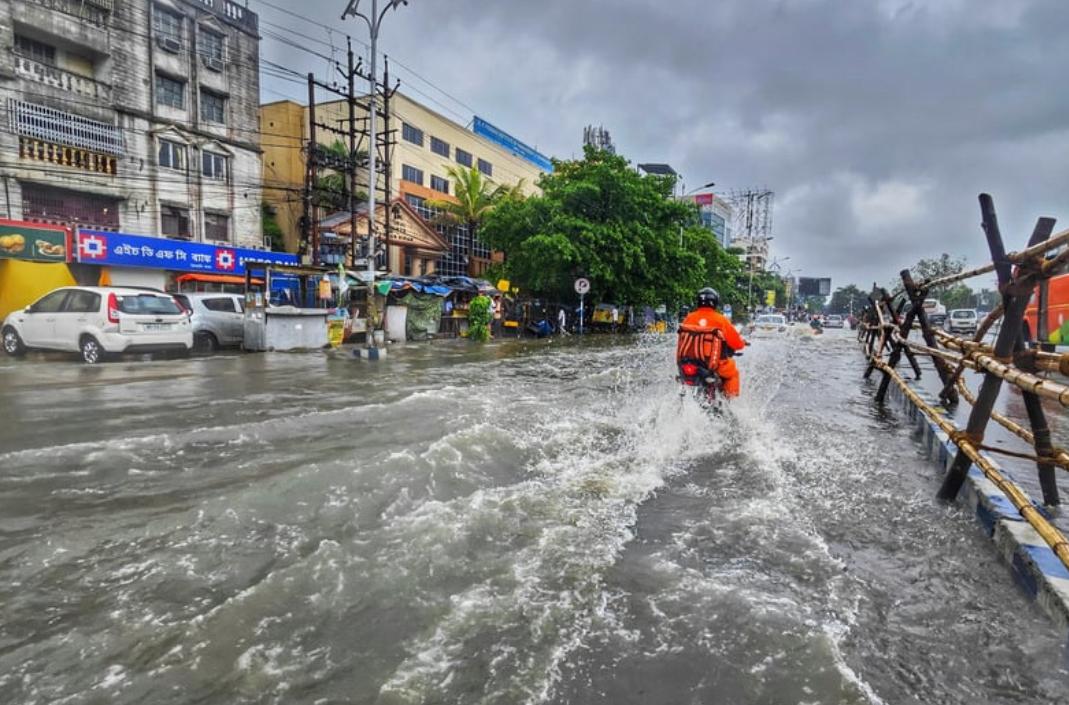
Global warming has dramatically increased the frequency and severity of extreme climate events, causing $417 billion in damages in 2024 alone. Climate adaptation infrastructure requires investments of $140-300 billion annually through 2030, yet public financing reached only $27.5 billion in 2022, creating a critical funding gap.
Climate Challenge
The climate crisis has created an urgent need for adaptation infrastructure, with developing nations facing the greatest challenges. Traditional financing mechanisms through international loans have proven insufficient and problematic, while the private sector holds the key to bridging this critical funding gap.
The Problem with Traditional Financing
Developing nations typically rely on loans from institutions like the World Bank to finance adaptation projects. However, this approach creates significant challenges:
- Loss of Autonomy: Loans impose strict conditionalities that constrain fiscal policies and political independence
- Project Delays: Infrastructure projects face average delays of 42%, with funding releases taking up to 27 months
Why the Private Sector Must Engage
The private sector has compelling financial incentives to invest in climate adaptation:
- Insurance Crisis: Climate-related insured losses reached $140 billion in 2024, forcing insurers to withdraw coverage from high-risk areas or face bankruptcy
- Business Interruption: Extreme events directly disrupt operations and supply chains, causing billions in losses
- Investment Risk: Areas lacking climate resilience lose access to credit and investment capital
The Fiji Model: A Successful Alternative
In 2018, Fiji became the first developing nation to issue Sovereign Green Bonds for climate adaptation, raising 100 million Fijian dollars with strong private sector interest.
Key Projects Financed
- Rural water supply systems reaching 42,670 people
- 8,049 rainwater harvesting tanks
- Climate-resilient schools serving as community evacuation centers
- 1,200 km of flood-resistant road infrastructure
Success Factors
- Attractive returns (4-6.3% annually) aligned private profit motives with public adaptation goals
- Strong government-private sector engagement created market confidence
- Projects delivered tangible resilience improvements while generating stable investment returns
Theoretical Framework
The case validates Frans Berkhout's theories on private sector climate adaptation:
- Benefit-Maximizing: Companies invest when adaptation costs are less than potential losses from inaction
- Institutional Support: Governments enable participation through appropriate policies, incentives, and regulatory frameworks
Conclusion
Fiji's Sovereign Green Bonds demonstrate that innovative public-private financing mechanisms can successfully bridge the climate adaptation funding gap. By aligning profit incentives with societal resilience needs, this model offers developing nations an alternative to dependency on international loans while accelerating critical infrastructure development.
This approach preserves political autonomy, reduces project delays, and creates sustainable pathways for climate adaptation financing. The success of Fiji's model provides a blueprint for other island nations and developing countries facing similar climate challenges.