
Articles
Conservation & Sustainability
Harnessing Nature-Based Solutions for Sustainable Tourism and Climate Resilience in EU Islands
How EU Islands Are Transforming Tourism Through Nature-Based Solutions and Community-Centered Climate Resilience
As the impacts of climate change intensify, the European Union's island territories are navigating an urgent need to redefine their development models, particularly in the tourism sector, which remains both an economic lifeline and a driver of environmental pressure. In response, the CPMR Islands Commission, in collaboration with regional partners, is leading a strategic shift toward tourism models that centre community well-being, ecological integrity, and climate resilience.
During the Virtual Island Summit 2025, the CPMR Islands Commission will host a high-level roundtable on \"Connecting Nature-Based Climate Resilience & Sustainable Tourism: Pathways for Insular Territories.\" This session will bring together regional authorities, project leads, and policy experts to examine how nature-based solutions and inclusive planning can transform island tourism from a vulnerability into a tool for economic diversification and climate adaptation.

A Critical Shift in Mindset
At the heart of the discussion is the recognition that EU islands require a mindset shift: one that moves away from extractive, short-term tourism and toward strategies that prioritise long-term sustainability, social equity, and environmental stewardship. This approach recognises tourism not as a stand-alone industry, but as a cross-cutting mechanism that can reinforce public health, education, conservation, and economic resilience if guided appropriately.
This shift is especially relevant for EU outermost regions and smaller islands, where the tourism economy can often dominate GDP and employment, leaving communities highly exposed to seasonal fluctuations, external shocks, and climate risks such as sea-level rise, biodiversity loss, and water stress.
Nature-Based Solutions as a Path Forward
Nature-based solutions (NbS) refer to strategies that work with natural systems, such as wetlands restoration, forest conservation, or coastal dune preservation, to address societal challenges like climate change, food security, and disaster risk reduction. In the context of island tourism, NbS offer dual benefits:
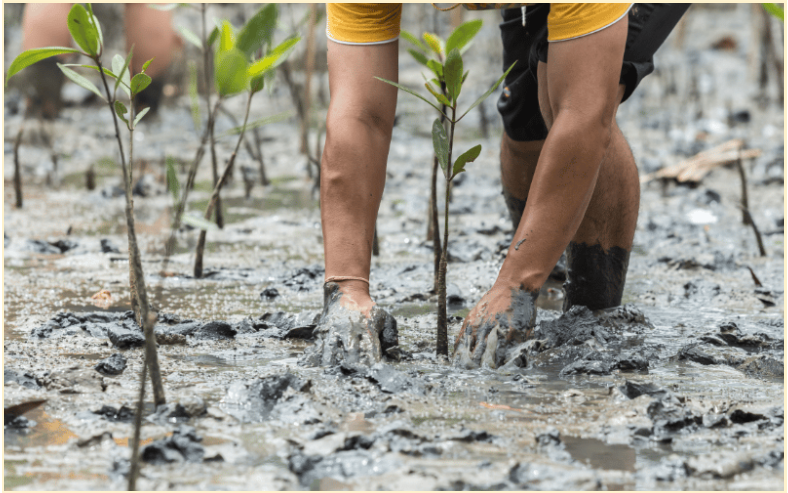
- Climate resilience: By restoring ecosystems that serve as natural buffers, such as mangroves or dune systems, islands can reduce vulnerability to flooding, erosion, and extreme weather.
- Tourism value: These same ecosystems often serve as key attractions for ecotourism, scientific tourism, and cultural heritage experiences, creating new value while maintaining environmental integrity.
The roundtable will feature examples from EU-funded initiatives such as NATour4CChange and the Responsible Islands network, showcasing how local authorities are integrating NbS into tourism strategies. These efforts often combine environmental restoration with education, community engagement, and digital innovation, empowering local actors while attracting more conscious travellers.
Policy Advocacy and Regional Empowerment
The CPMR Islands Commission continues to play a critical role in advocating for island-specific needs in EU policymaking. Too often, islands are subject to mainland-centric frameworks that fail to account for their geographic isolation, demographic dynamics, or ecological fragility. Through coordinated efforts, the Commission promotes flexible funding, tailored indicators, and integrated approaches that reflect the real conditions of island territories.
As Europe advances its Green Deal objectives and updates its approach to territorial cohesion, the intersection of tourism, climate, and resilience on islands will only become more critical. EU islands are on the front lines of both climate impacts and innovative solutions, making them ideal laboratories for testing inclusive, scalable, and climate-aligned development models.
Why This Matters
As Europe advances its Green Deal objectives and updates its approach to territorial cohesion, the intersection of tourism, climate, and resilience on islands will only become more critical. EU islands are on the front lines of both climate impacts and innovative solutions, making them ideal laboratories for testing inclusive, scalable, and climate-aligned development models.
By framing tourism as a vehicle for climate resilience and economic transformation, the CPMR Islands Commission and its partners are demonstrating that a sustainable future for islands is not only possible, it is already underway.