
Articles
Conservation & Sustainability
Innovation and Knowledge-sharing 'Rooted in Countries' Finances Island Futures
How Finance and Knowledge-sharing Come Together to Build Resilience Across Island Communities
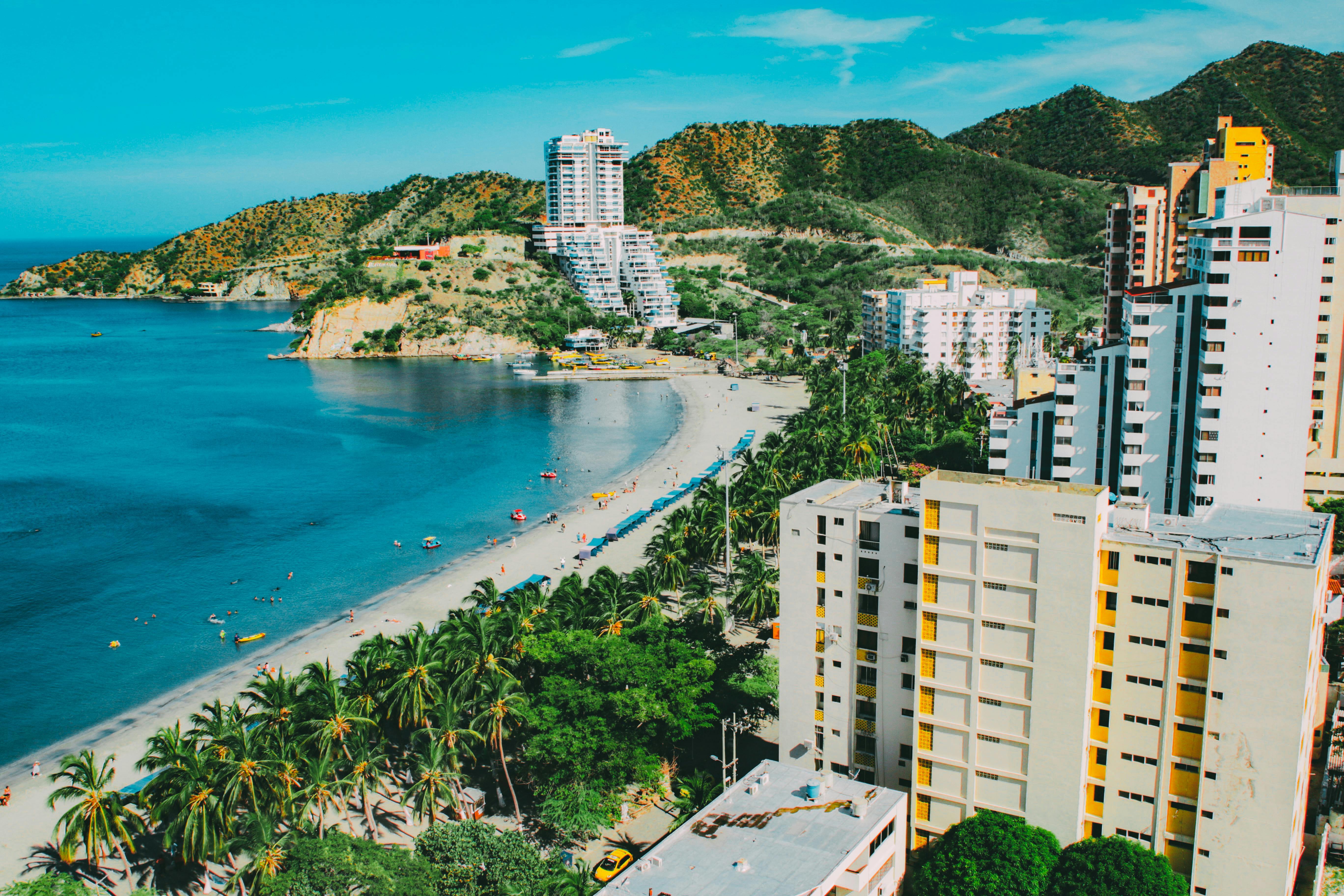
At the Virtual Island Summit 2025, the session "Financing Island Futures: Knowledge and Innovation for Resilience, Sustainability, and Prosperity" brought together leading voices in the Caribbean's environmental and financial sectors to discuss how islands are turning climate threats into development opportunities.
The session, which was sponsored by the Caribbean Biodiversity Fund (CBF), offered concrete examples of how finance and knowledge-sharing can come together to build resilience across island communities. CBF is a regional conservation trust fund established in 2012. It channels long-term financing to support conservation, climate adaptation, and nature-based economies across 14 Caribbean countries.
"Financing must be coupled with knowledge and innovation if our islands are to thrive," said Rachel Ramsey, Program Manager for the Nature-Based Economies Program at the CBF.
The Caribbean Sustainable Finance Architecture (CSFA) framework, for instance, connects national conservation trust funds with a suite of regional mechanisms designed to deliver reliable funding and technical support. Ramsey explained that these trust funds are "rooted in countries", making it possible for them to quickly respond to national needs whilst aligning with global and regional commitments.
Knowledge-sharing as a Path to Prosperity
Knowledge-sharing is another avenue towards prosperity for islands. A case study is the Caribbean Coral Health Forum, a regional platform that connects practitioners across islands to exchange methodologies and accelerate learning. The platform facilitated peer learning, leading to a successful collaboration between Cuba and the Dominican Republic. It also spread advanced coral propagation techniques across the region, even in areas with limited technological infrastructure.
Rethinking Tourism and Waste Management
The session also tackled the intersection of tourism and waste management. Founder and CEO of Searious Business, Willemijn Peeters, argued that islands must rethink the life cycle of plastics and implement systems that hold producers accountable. Extended Producer Responsibility (EPR) schemes and deposit return systems are already helping turn pollution challenges into circular economy opportunities. "If you allow plastics on your island, there needs to be an after-treatment. There usually isn't. So let's think systemically," she urged.
Nature-Based Solutions for Development
Carlos Mallo, CEO of Innoceana and recipient of the 2025 Goldman Environmental Prize, reinforced this point by highlighting nature-based solutions as a viable path for island infrastructure and development. He spoke passionately about the power of grassroots action, recalling how his organisation stopped the construction of a destructive port in Tenerife and is now working with coastal communities in Costa Rica and the Pacific to embed ecological resilience into development plans.
"Nature-based solutions are not a niche. They are the angle through which development must happen," said Mallo. "The opportunity is here. We just need to align the funding, the governments, and the people."
Beyond Financing: Building Effective Partnerships
Throughout the session, a common sentiment was that financing alone is not enough. Effective funding mechanisms must be embedded within knowledge systems and community-led governance structures.
"Funding is not the biggest challenge," concluded Tanja Lieuw, Conservation Program Manager at the CBF and moderator of the panel. "The money is there. The question is how we use it effectively and build the right partnerships to scale action now."
The "Financing Island Futures" session showed that when finance, local knowledge, and cross-sector partnerships are combined, they can deliver powerful results. It was a timely reminder that islands, often portrayed as climate victims, are also centres of resilience, innovation, and leadership. And with institutions like the Caribbean Biodiversity Fund providing long-term, strategic support, island communities are better positioned than ever to finance their future.