Articles
Island Development
Isla Halian Reimagines Resilience with Cultural Innovation & Youth Stewardship
The Islands We Carry is a storytelling series featuring grassroots initiatives from sustainable island communities worldwide. Through these stories, Island Innovation highlights innovations, partnerships, and leadership driving sustainable development across island contexts.
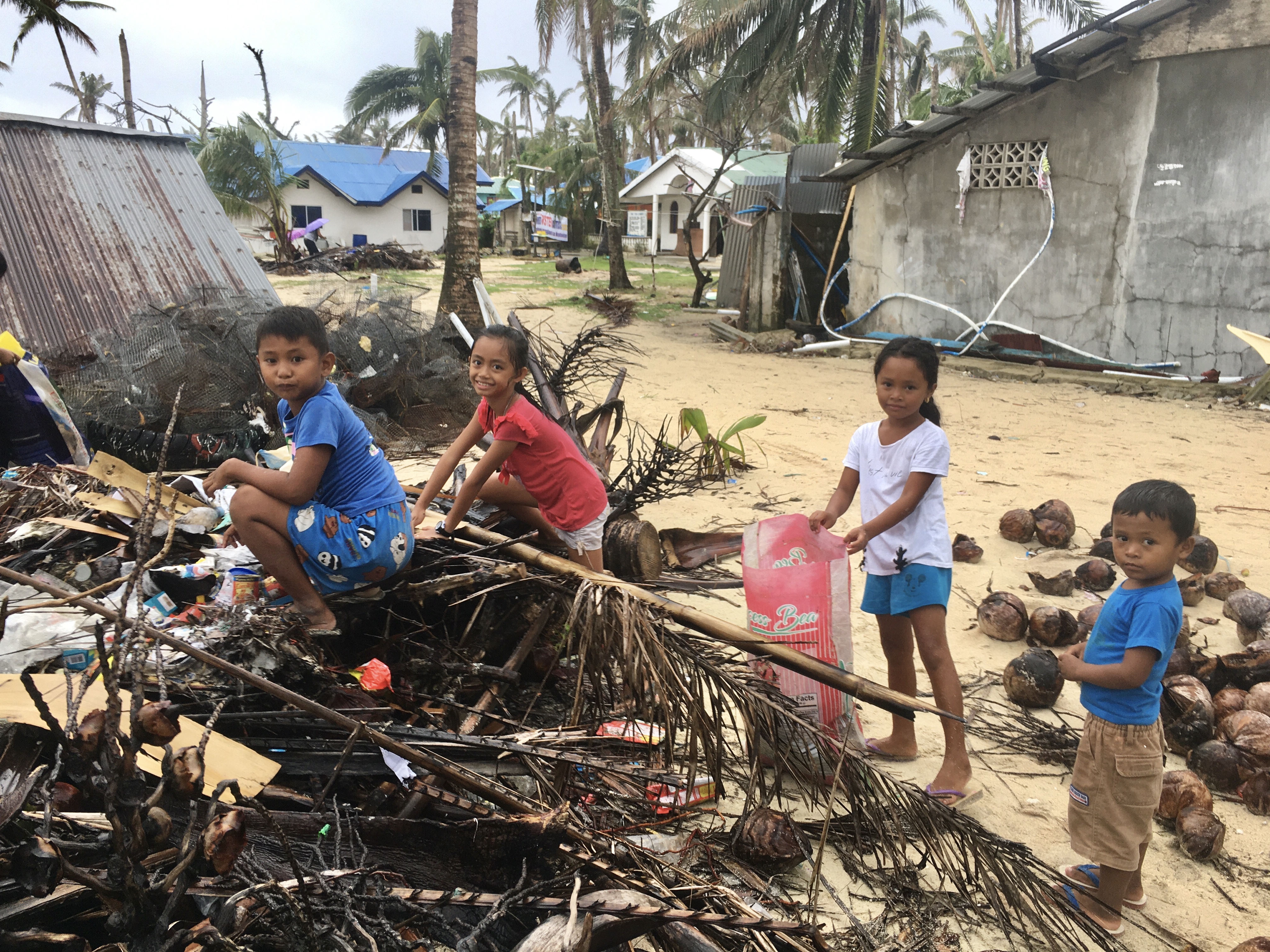
In Siargao's remote barangays, young people aren't learning about marine conservation in classrooms. They're creating their own songs about it. They're choreographing dances that reflect the waves, trees, and migratory birds they observe daily. They're redesigning fiestas, which are celebrations central to Filipino identity, as platforms for environmental stewardship and youth leadership.
After Super Typhoon Odette struck Siargao in 2021, Isla Halian recognised something that disaster response frameworks typically overlook: the most powerful tool for building community resilience isn't external aid or imported programmes, but culture itself. By anchoring environmental action in the traditions communities already held sacred, they've transformed survival into innovation. Today, Siargao's experience is being codified into a replicable national framework and drawing international attention from platforms like the World Design Congress in London and the Young Climate Prize in New York.
The Dual Challenge That Started It All
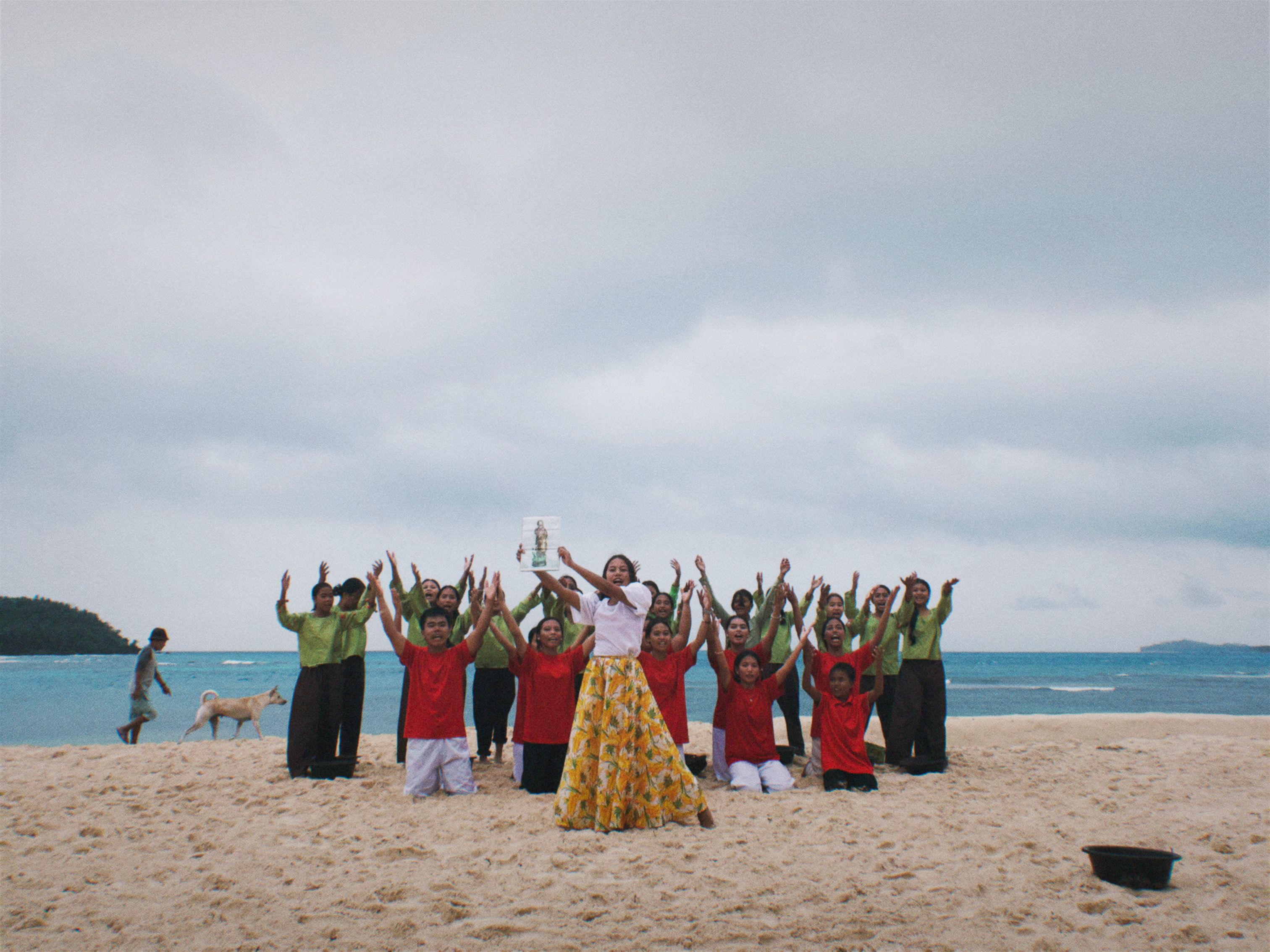
Cracks in the foundation were found long before Super Typhoon Odette struck Siargao. Traditional fiesta celebrations, once central to communal identity and intergenerational knowledge transfer, were fading as globalised entertainment, such as TikTok and Netflix, displaced local traditions. Meanwhile, beaches, especially island shorelines, accumulate waste daily, with waste management and plastic pollution rising exponentially due to the tourism boom. Young people grew up disconnected from both their heritage and the natural systems sustaining their communities.
This dual erosion created a dangerous cycle. Without a cultural connection to the place, communities lacked motivation to protect it. Without an environmental agency, young people viewed themselves as passive recipients rather than active stewards.
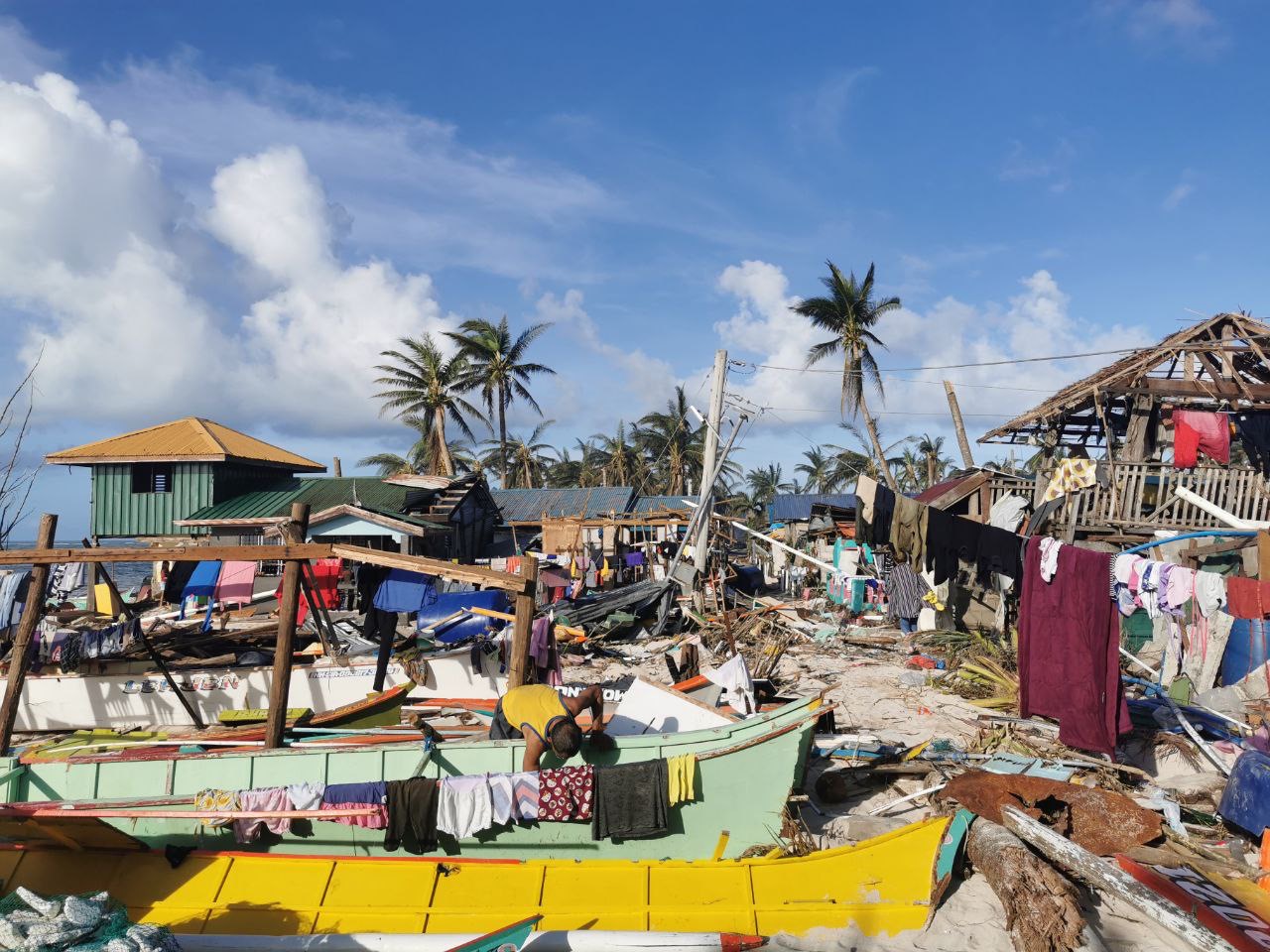
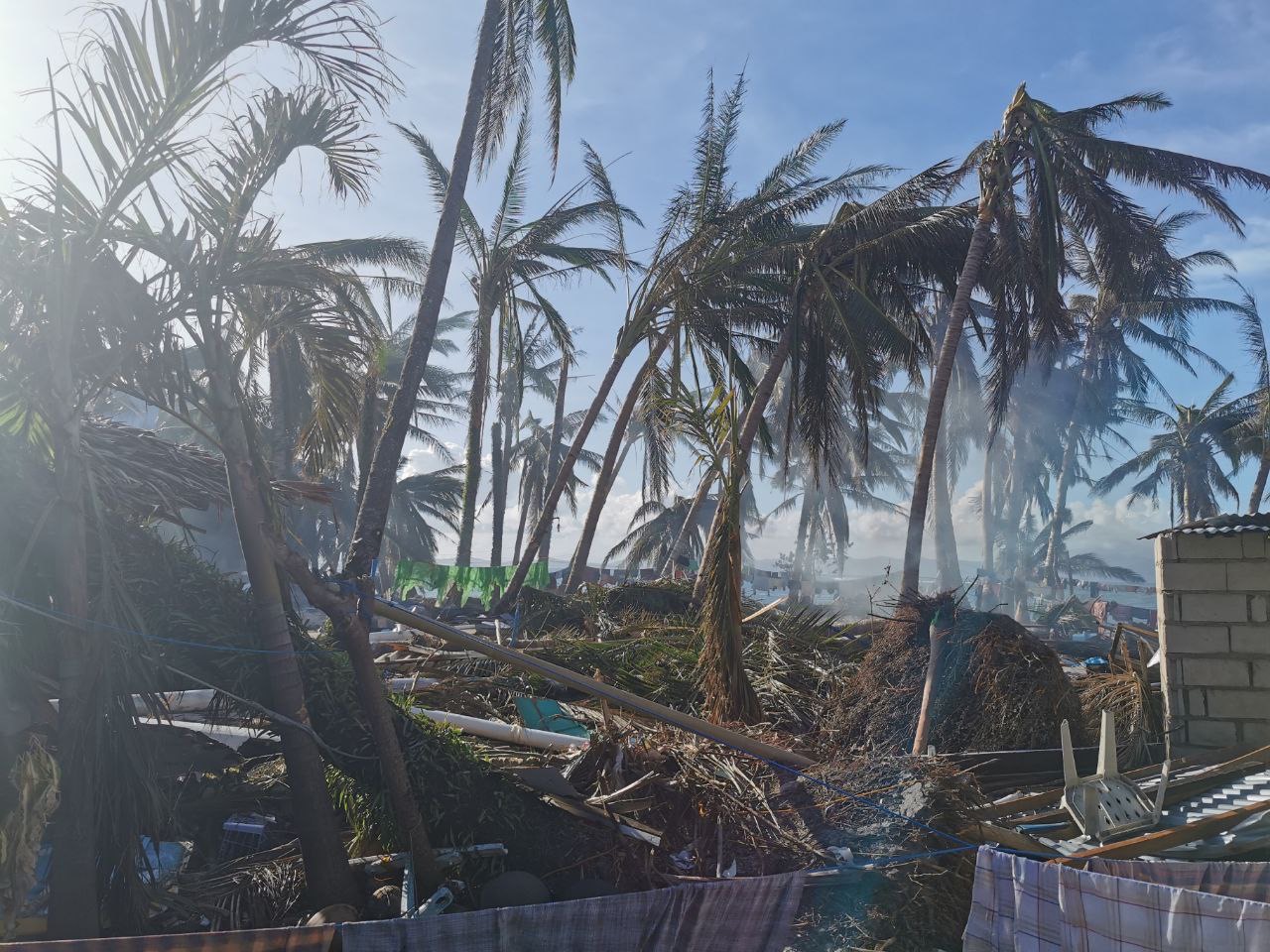
When Super Typhoon Odette struck, the crisis was immediate and devastating. But as Isla Halian moved through relief, rebuilding, and livelihood restoration, it recognised an opportunity. What if the next phase of recovery didn't simply restore what had been lost, but reimagine what was possible? What if culture itself became the engine for environmental action and community resilience?
Filipino Fiestas as Avenues for Change
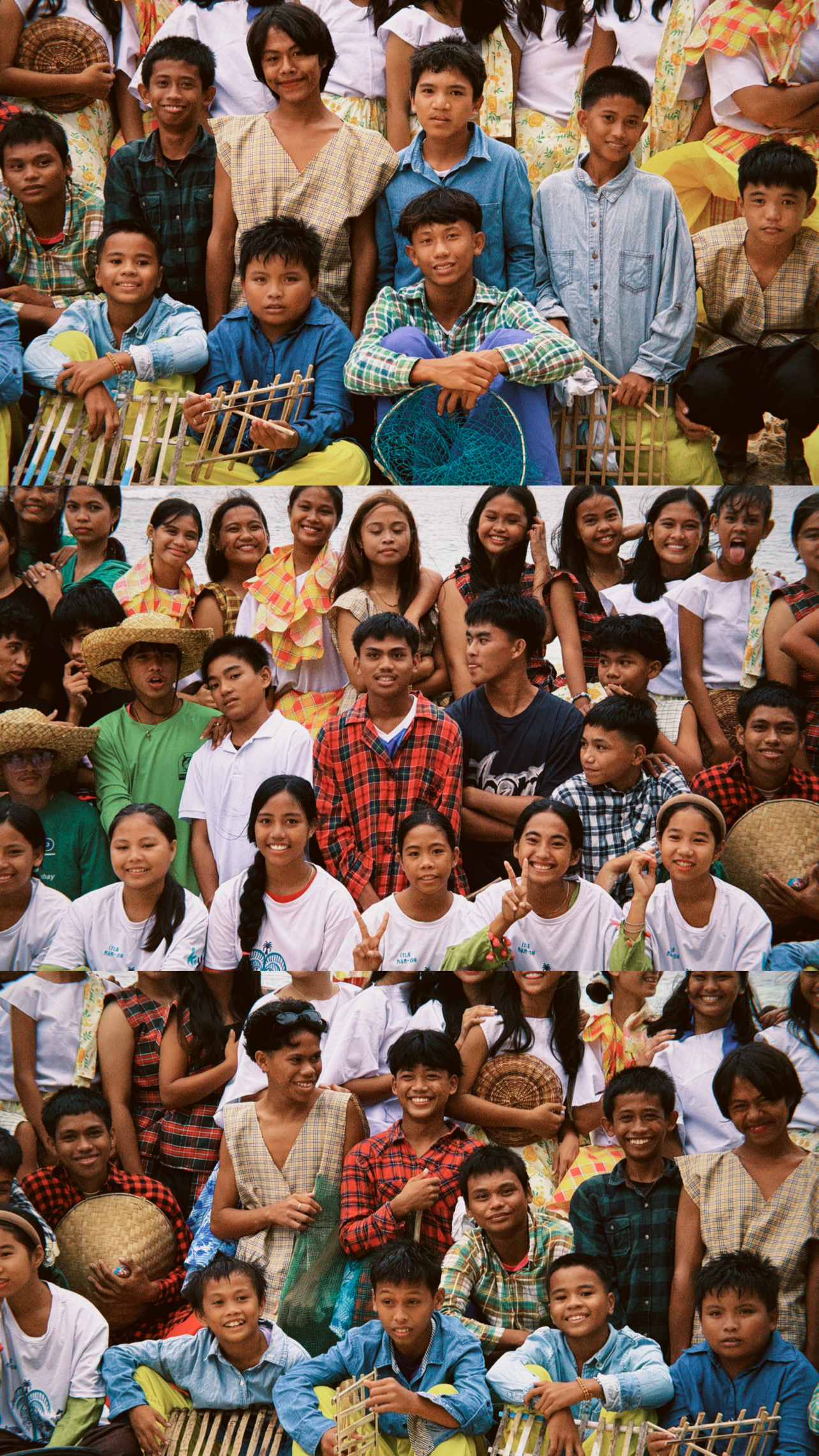
Rather than importing external environmental education programmes, the team at Isla Halian and other remote island barangays pursued a fundamentally different approach. They chose to anchor conservation efforts in the cultural forms communities already held sacred, particularly the fiesta, recognising that transformation required working within traditions rather than against them.
Fiestas are community-wide festivals that historically served as occasions for cultural expression, intergenerational storytelling, and collective identity affirmation. Isla Halian aimed to preserve the authentic Filipino fiesta, with its deep cultural significance and role in community gathering, but reimagine it to be environmentally relevant and deeply connected to climate action.
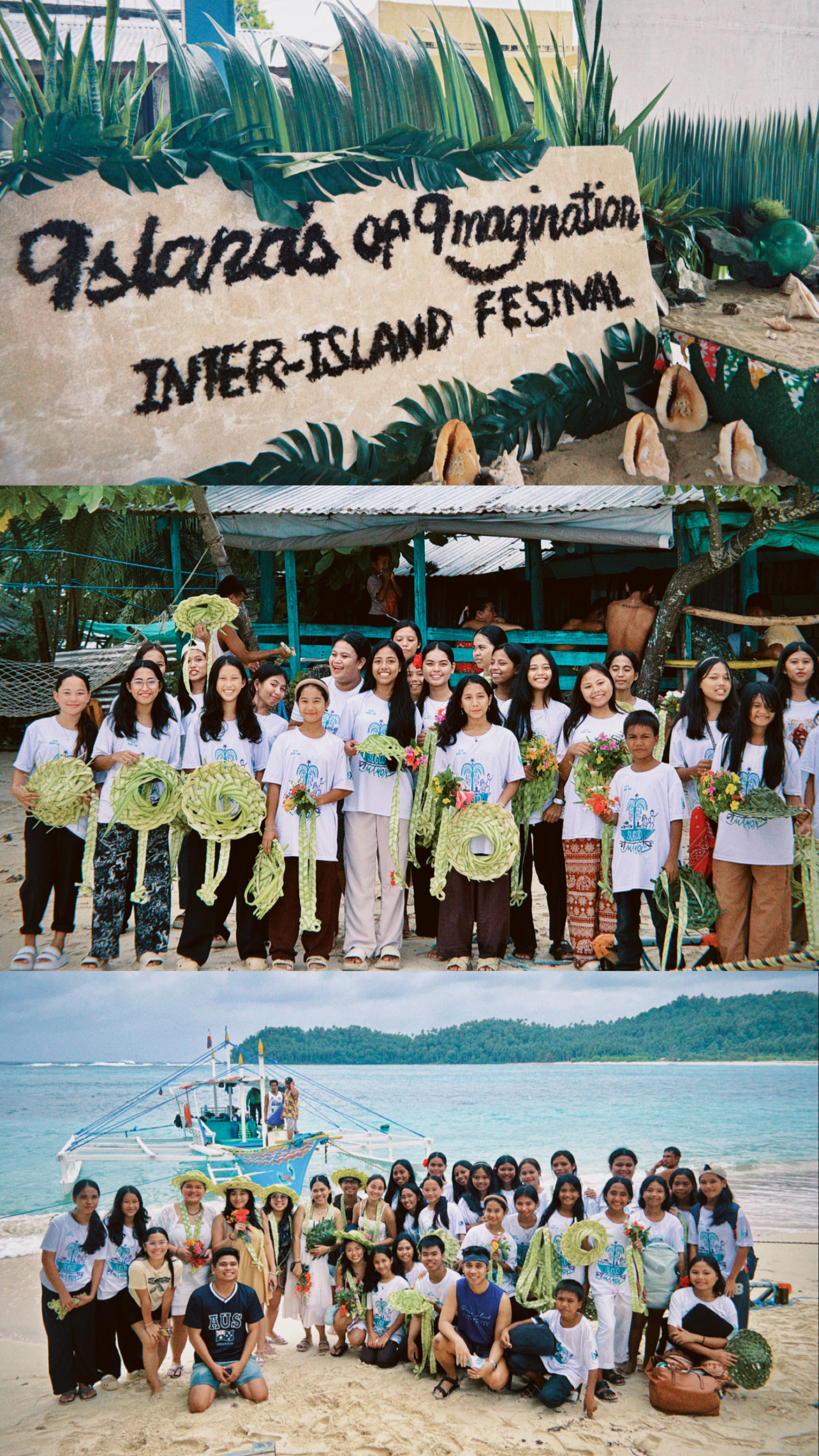
The result is a constellation of culturally-rooted programmes across last-mile island villages. The Islands of Imagination Festival (formerly known as the Circular Futures Fiesta) emerged as the centrepiece, alongside complementary initiatives that wove environmental stewardship directly into how communities celebrated, learned, worked, and lived together. Rather than treating environmental action as separate from cultural life, these programmes made them inseparable.
For instance, Isla Anajawan is known throughout the region for squid fishing, so this identity became the foundation for their barangay fiesta. The Squid Game Fishing Festival showcases the community's ecological knowledge and cultural pride through entirely homegrown artistic expression and squid fishing contests. As local fisherfolk compete to capture the largest squid, the community transforms the moment into a creative act. They create original songs, dances, and poetry reflecting the waves, trees, and migratory birds they observe. Recognising that tourism could disrupt the very culture they're preserving, the community has also established guidelines to limit visitor numbers and maintain control over how their traditions are presented and experienced.
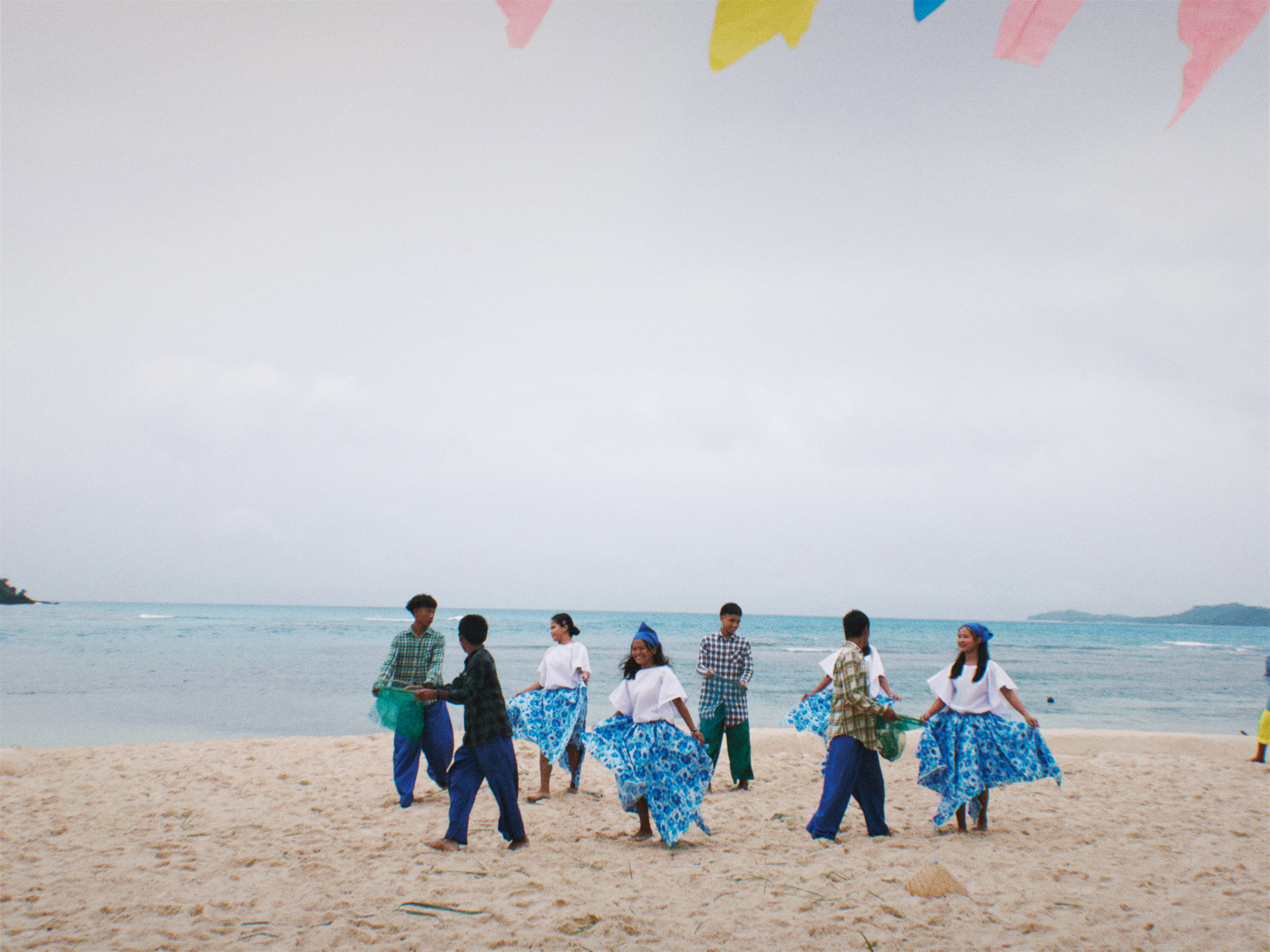
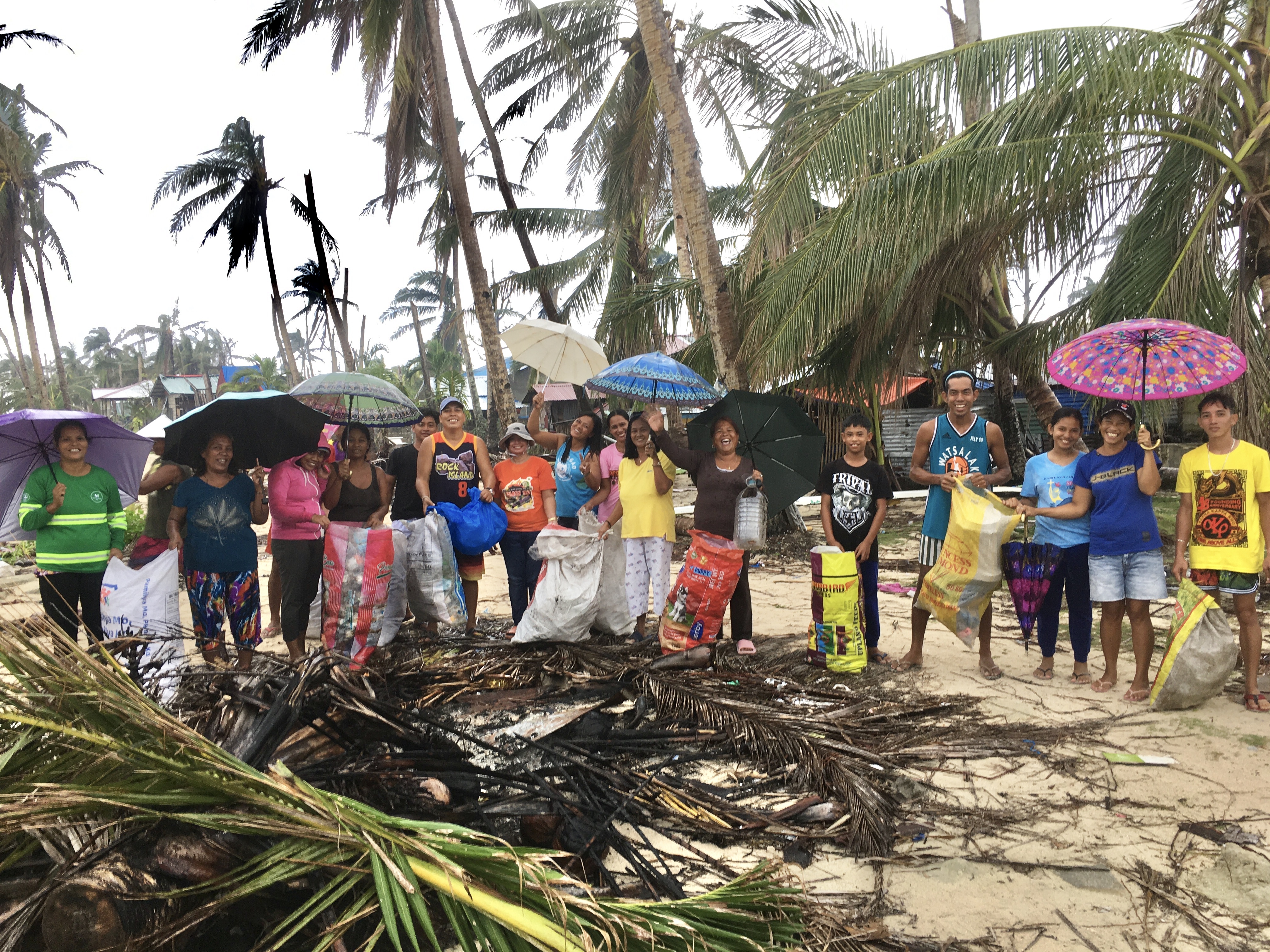
Creative workshops deliver environmental messaging through music, dance, and visual arts. Community competitions shift from TikTok contests to culturally-rooted performances celebrating island identity. Across nine barangays, coastal patrols and cleanups also became a weekly practice led by youth in the spirit of bayanihan, a Filipino concept rooted in collective effort and shared responsibility for community wellbeing. This small weekly gathering eventually became a youth-led movement and organisations, namely Halian Seawikan Patrollers, Anajawan Paglajag, Hunat Isla Suyangan, Sugod Mam-on, Bugsay Isla La Januza, among others.
“All of this developmental work is cultural preservation and climate action”— Richmond Duero Seladores, Team Leader of Island Sustainability Leaders Archipelago (I.S.L.A), Siargao.
Post-Disaster Recovery as Foundation
What appears as a cultural and environmental programme is the final phase of a comprehensive post-disaster recovery approach. Born from Odette's devastation, this framework unfolds across four distinct phases that Isla Halian developed through practice.
The first phase, Relief, focused on meeting immediate needs such as food, water, and emergency supplies. The second, Rebuild, involved repairing infrastructure, including homes, schools, and barangay facilities. The third, Restart, addressed livelihood restoration through sustainable fishing practices, community farms, and economic skills training. The fourth phase, Reimagine, became the critical turning point.
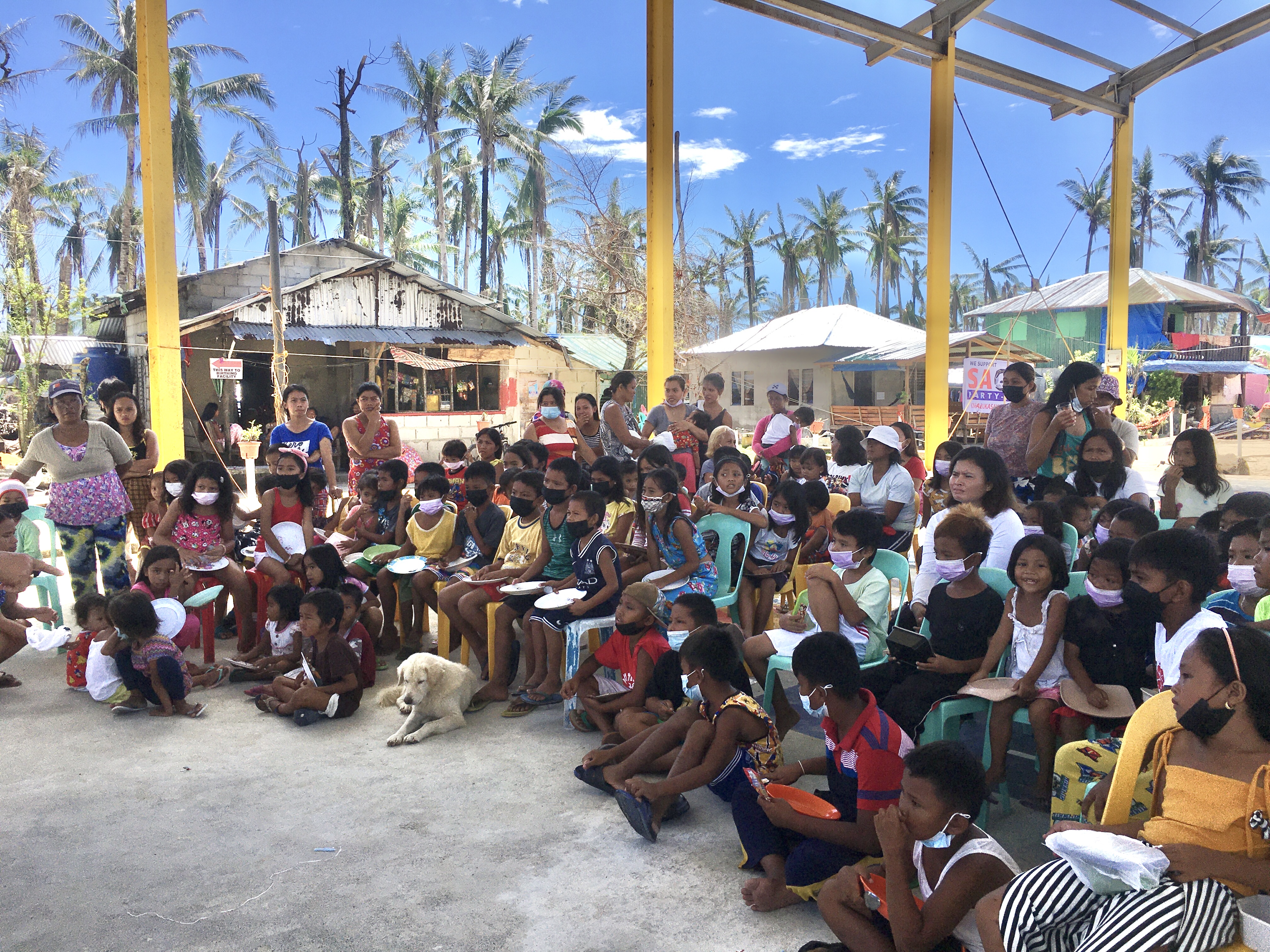
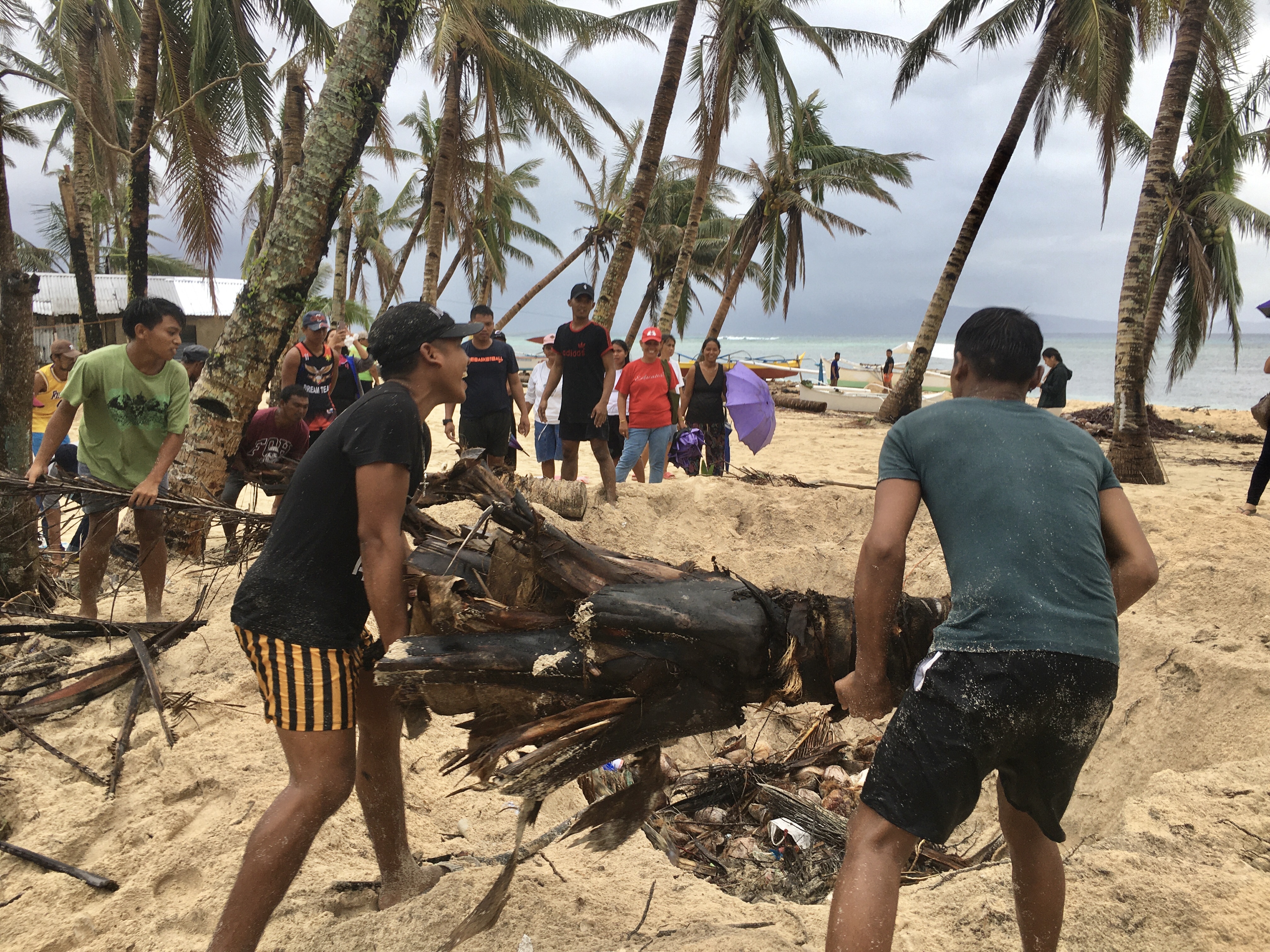
Most disaster response halts at Rebuild or Restart. Reimagine is where communities become resilient enough to respond immediately to future typhoons rather than waiting weeks for external aid. This phase operates through the Four E's framework: Education, Environment, Employment/Economy, and Energy. By embedding environmental stewardship and cultural identity into this phase, communities bounce back with stronger social cohesion, genuine environmental agency, self-sufficiency, and sustained youth leadership.
This approach, developed through on-the-ground practice with Kids For Kids Philippines, Tukod Foundation, For The Future PH, and other development partners, treats disaster recovery not as a discrete intervention but as an opportunity to rebuild communities in ways that address the underlying vulnerabilities that made them susceptible to crisis in the first place.
Towards A Sustainable, Circular Future
It’s been five years since Isla Halian rolled out its initiatives, and the results are visible across multiple dimensions.
Environmental leadership has become embedded in everyday community life. Weekly coastal patrols and cleanups are now institutionalised across nine island communities. The Halian SEAWikan Initiative, a sea turtle conservation programme, actively protects nesting sites. Young people participate regularly in environmental stewardship activities not as beneficiaries of external programmes but as leaders and cultural knowledge-bearers.
“Cultural programmes transformed and helped me understand how acts of service are vital to the island and its people,” said Lady Carmel P. Litang, Halian SEAWikan Initiative’s Project Lead. “Through stories, movement, and shared traditions, I learned that protecting our kinaiyahan - our environment - is not just an act of leadership, but a relationship rooted in memory, respect, and responsibility to the land and sea that raised us and shaped our identity.”
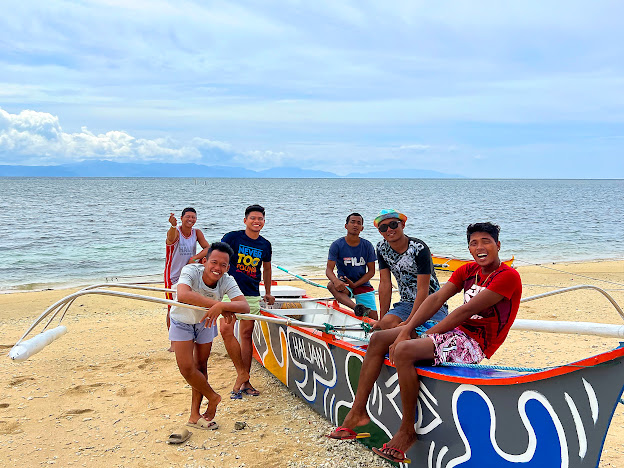
Cultural revitalisation has fundamentally shifted how communities perceive themselves. The shift from generic, imported programming to culturally-grounded celebration has rekindled something essential: community pride in island identity. Traditional music and dance programmes now carry environmental messages. The Islands of Imagination Festival and redesigned community celebrations have replaced homogenised modern programming with expressions of local culture and values.
Youth engagement in literacy and education has accelerated in unexpected ways. Community members are winning regional storytelling and journalism competitions - a direct result of the literacy infrastructure established post-Odette, notably Siargao's first post-typhoon library, located in barangay Halian.
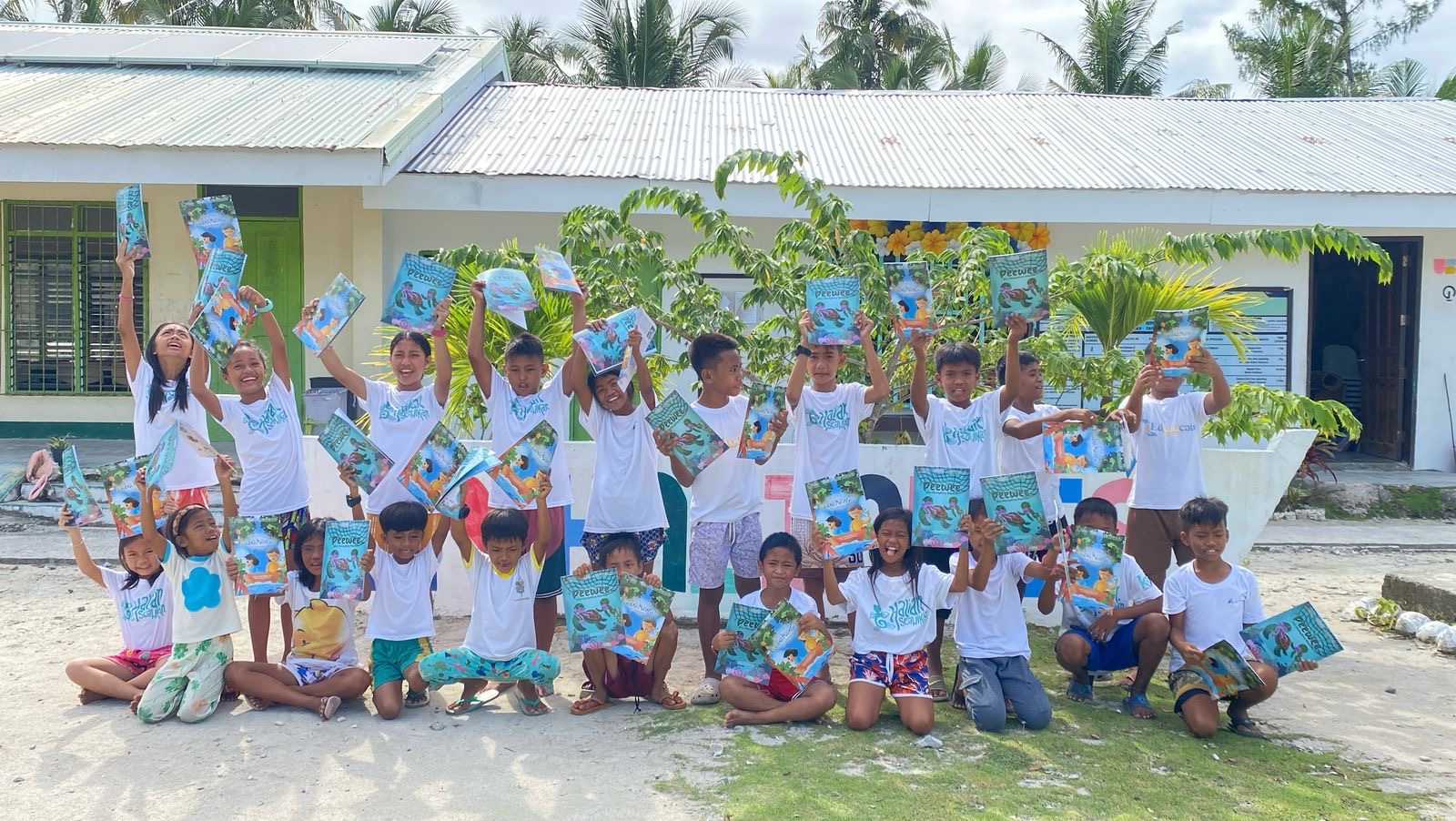
“Eventually, the goal of this is to be able to create a developmental framework post-typhoon or post-disaster,” Seladores shared. “What are the levelings that the community should do so that they themselves can bounce back better, and they don't need to rely on the government's help to take days, weeks, months, and so on. How are we going to teach them the value of resiliency and sustainability themselves?”
Economic empowerment also created tangible livelihood improvements. Solar-powered electricity now supports community programmes in remote island schools and barangays. Mothers have been trained in value-added fish processing, transforming simple dried fish into commercial products with higher market value. Community farms ensure food security during typhoon season. Fishermen operate using sustainable practices that balance economic need with environmental care.
National and international recognition has validated the approach. Ms Ervie Ann Conte, a public school teacher and community leader from Isla Anajawan, was recognised with a national multi-grade teaching award. The Halian SEAWikan Initiative was awarded as a Turtle Conservation Grant Recipient by LoveYourselfPH. The initiative also received a UNESCO global youth scheme grant, enabling the Islands of Imagination project, a children-led initiative focused on mental health, creativity, and climate action through arts and cultural expression.
But the deepest result is psychological and systemic. Seladores reflects on what has changed in how communities view themselves.
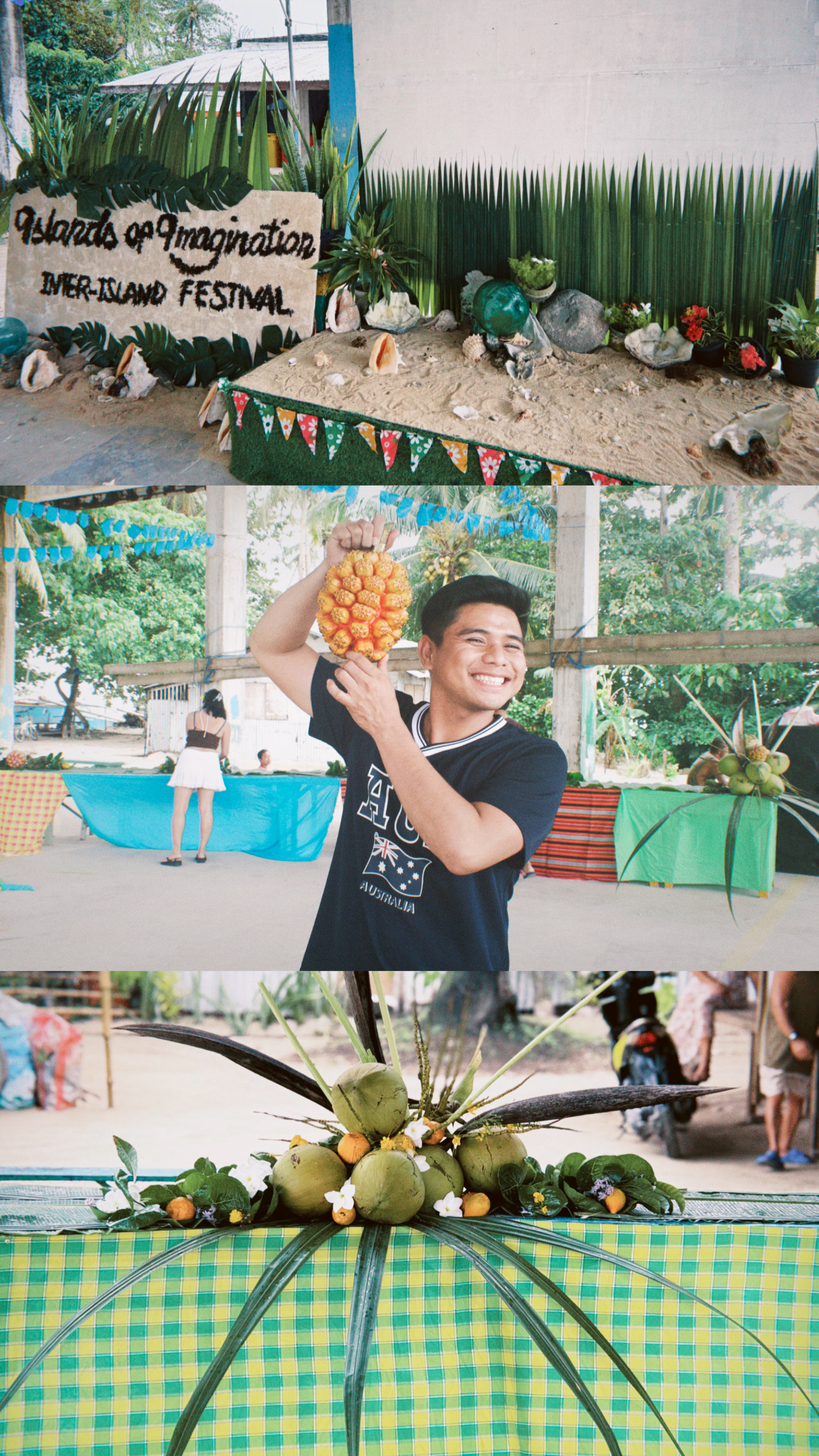
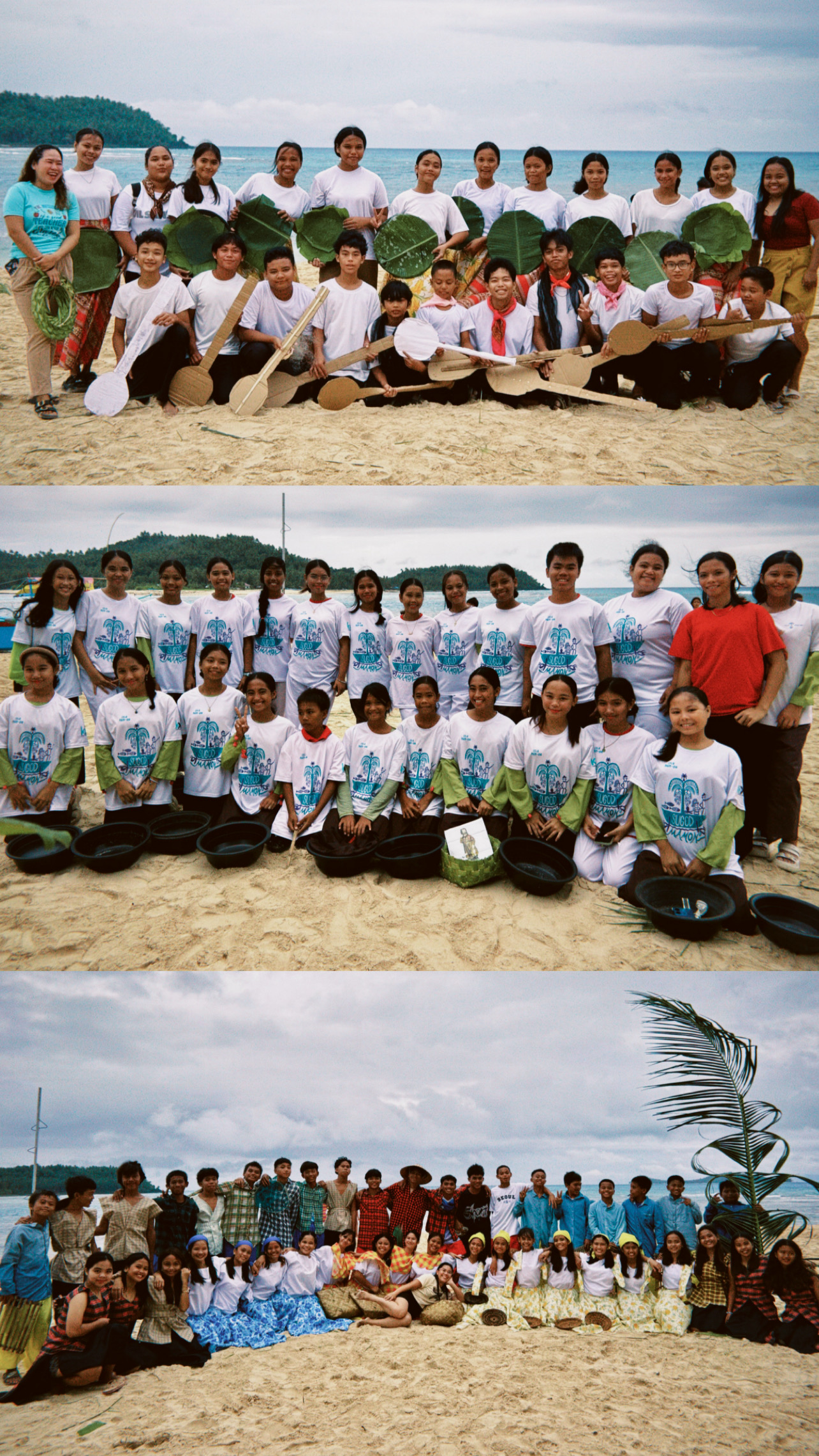
This reframing from passive victim of the climate crisis to active innovator in climate response permeates all the work. Communities aren't implementing someone else's programme. They're co-designing solutions rooted in their own context, traditions, and values. This ownership is what makes the work sustainable and replicable. The story has reached international platforms, including the Young Climate Prize in New York and the World Design Congress in London. For Isla Halian, this visibility matters not for external validation but because it demonstrates that local action can achieve global relevance, and that other island communities can learn from and adapt Siargao's approach.
The work in Siargao is not complete; it is actively expanding. Programmes now operate across nine barangays in Siargao and are being extended to the Dinagat Islands following Typhoon Tino. Youth and community leaders are being trained to lead programmes independently, ensuring continuity and genuine local ownership beyond any single leader or intervention.
More ambitiously, Seladores and his collaborators are working to codify the Relief-Rebuild-Restart-Reimagine framework into a replicable national model. If this approach works in Siargao, it can be adapted and scaled across remote island communities throughout the Philippines. And if it works nationally, it could inform climate resilience efforts in other island regions like Palau, Indonesia, and the Caribbean.
"Before, we might have felt shy about being just a small island. But now we understand: when we do these things, we might inspire other islands. If a lot of islands do this, it will have a big impact."— Richmond Seladores
The work in Siargao is not complete; it is actively expanding. Programmes now operate across nine barangays in Siargao and are being extended to the Dinagat Islands following Typhoon Tino. Youth and community leaders are being trained to lead programmes independently, ensuring continuity and genuine local ownership beyond any single leader or intervention.
More ambitiously, Seladores and his collaborators are working to codify the Relief-Rebuild-Restart-Reimagine framework into a replicable national model. If this approach works in Siargao, it can be adapted and scaled across remote island communities throughout the Philippines. And if it works nationally, it could inform climate resilience efforts in other island regions like Palau, Indonesia, and the Caribbean.