
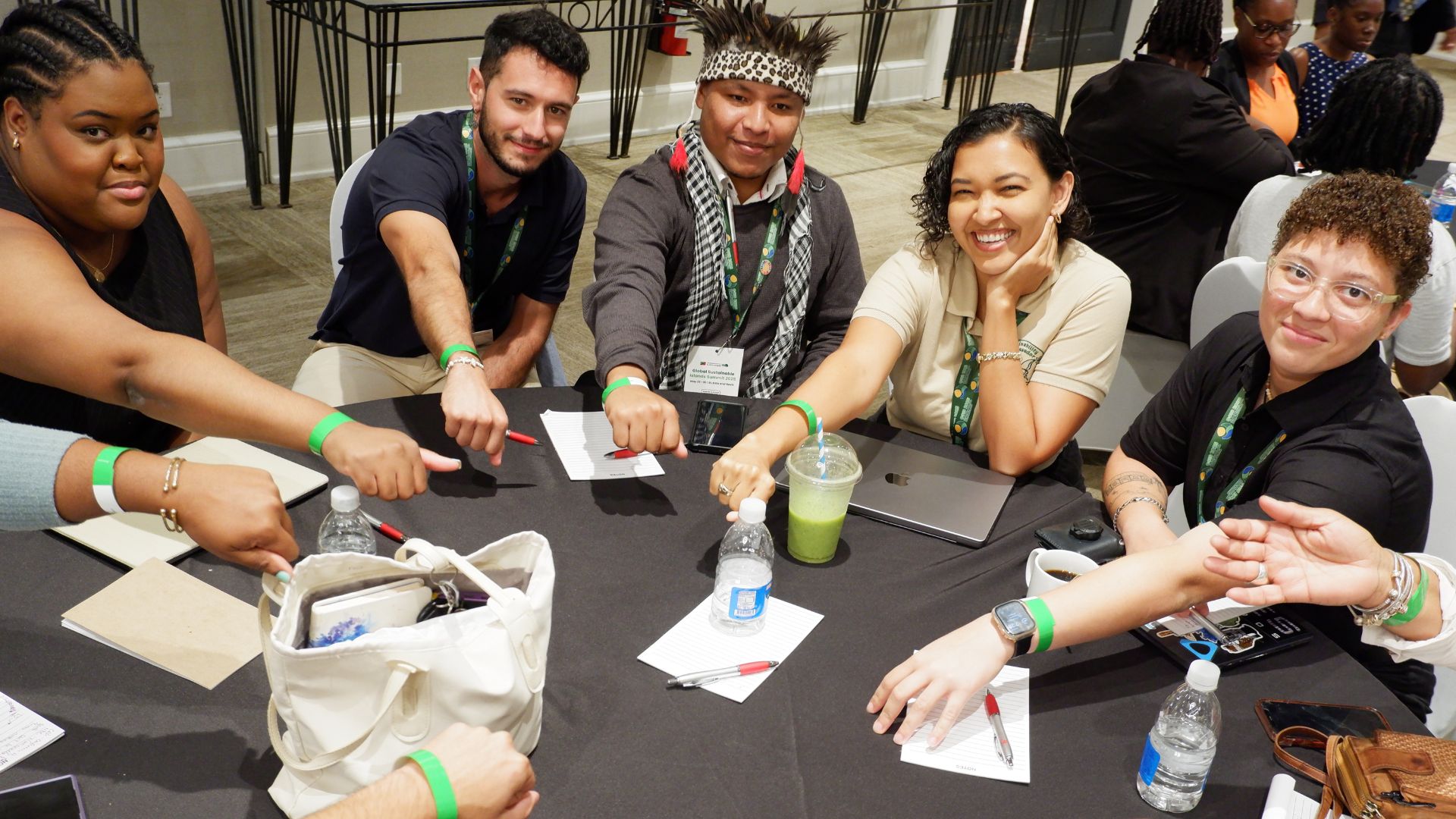
As the climate crisis intensifies, so does the urgency to engage those who will inherit its consequences: young people. Nowhere is this more critical than in Small Island Developing States (SIDS), where communities are already confronting rising sea levels, coral bleaching, and increasingly severe weather events. From the Caribbean to the Pacific, youth are not only calling for change but actively shaping it. As a young climate advocate from the Cayman Islands, I have seen firsthand the power and potential of youth engagement. Our voices, particularly from underrepresented island nations, must be heard in the global conversation.
Youth engagement in climate action is not a tokenistic gesture; it is a necessity
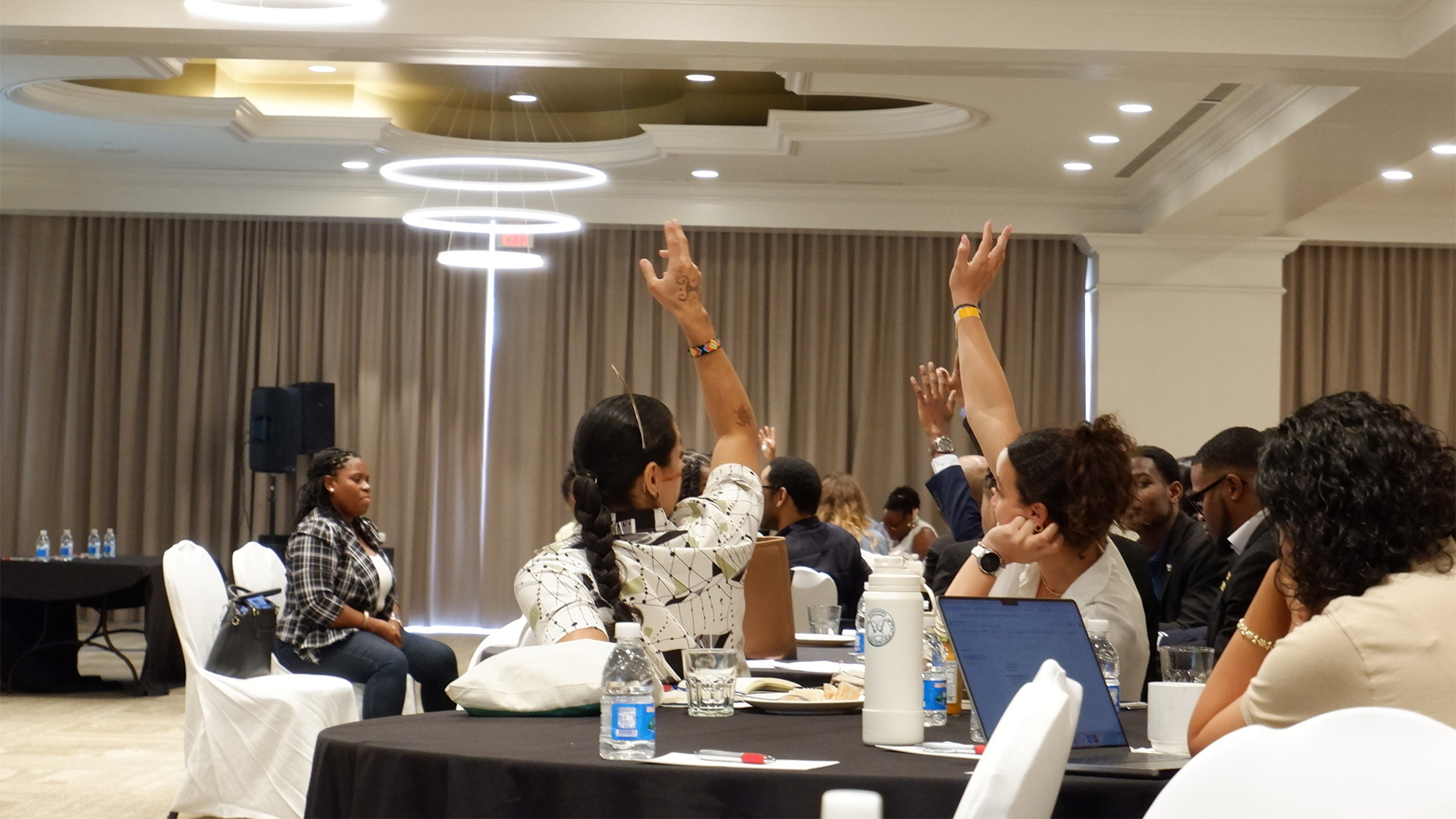
Island Youth Forum participants partake in workshops, networking, and knowledge-sharing exercises
Across the Caribbean, young people are on the frontlines of the climate emergency. We are leading conservation projects, advocating for sustainable tourism, pushing for climate-resilient infrastructure, and fighting for climate justice. Yet despite our contributions, structural barriers persist that prevent youth from fully participating in decision-making. This exclusion not only undermines the legitimacy of climate governance but weakens its impact.
During my participation at COP28 and as a Remote Research Delegate for COP29 representing the UK Overseas Territories, I witnessed the blunt contrast between youth activism and formal policymaking. While youth were active in side events and civil society spaces, many of us were absent from negotiation rooms. This disconnect highlights the need for systemic change. Youth should not be on the sidelines of global climate policy; we should be co-creators of it.
Programs like the Youth4Capacity initiative and platforms like the Global Sustainable Islands Summit are essential to bridging this gap. They foster intergenerational dialogue, provide policy training, and offer platforms for young advocates to share innovative solutions. These spaces don’t just amplify youth voices—they equip us with the tools to transform our passion into real impact. When youth are invited to the table, we bring fresh perspectives, urgency, and the innovative thinking often missing from traditional governance.

Island youth in particular bring a unique understanding of climate vulnerability and resilience. We understand what it means to live at the mercy of coastal erosion, depleting fish stocks, and intensifying hurricane seasons. Our stories, observations, and traditional knowledge must inform climate adaptation and mitigation strategies. When we are engaged in marine policy, ecosystem restoration, and blue economy development, we are not only preparing the next generation of leaders—we are safeguarding our communities and cultures.
One of the most powerful aspects of youth engagement is our capacity for cross-border collaboration. Through virtual delegations, youth-led forums, and regional coalitions, young islanders are connecting globally. These alliances allow us to exchange ideas, amplify each other’s voices, and advocate for shared goals—such as equitable climate finance, loss and damage support for the Global South, and the recognition of Indigenous and local knowledge systems.
Youth are not waiting to contribute to climate solutions—we are already doing it.
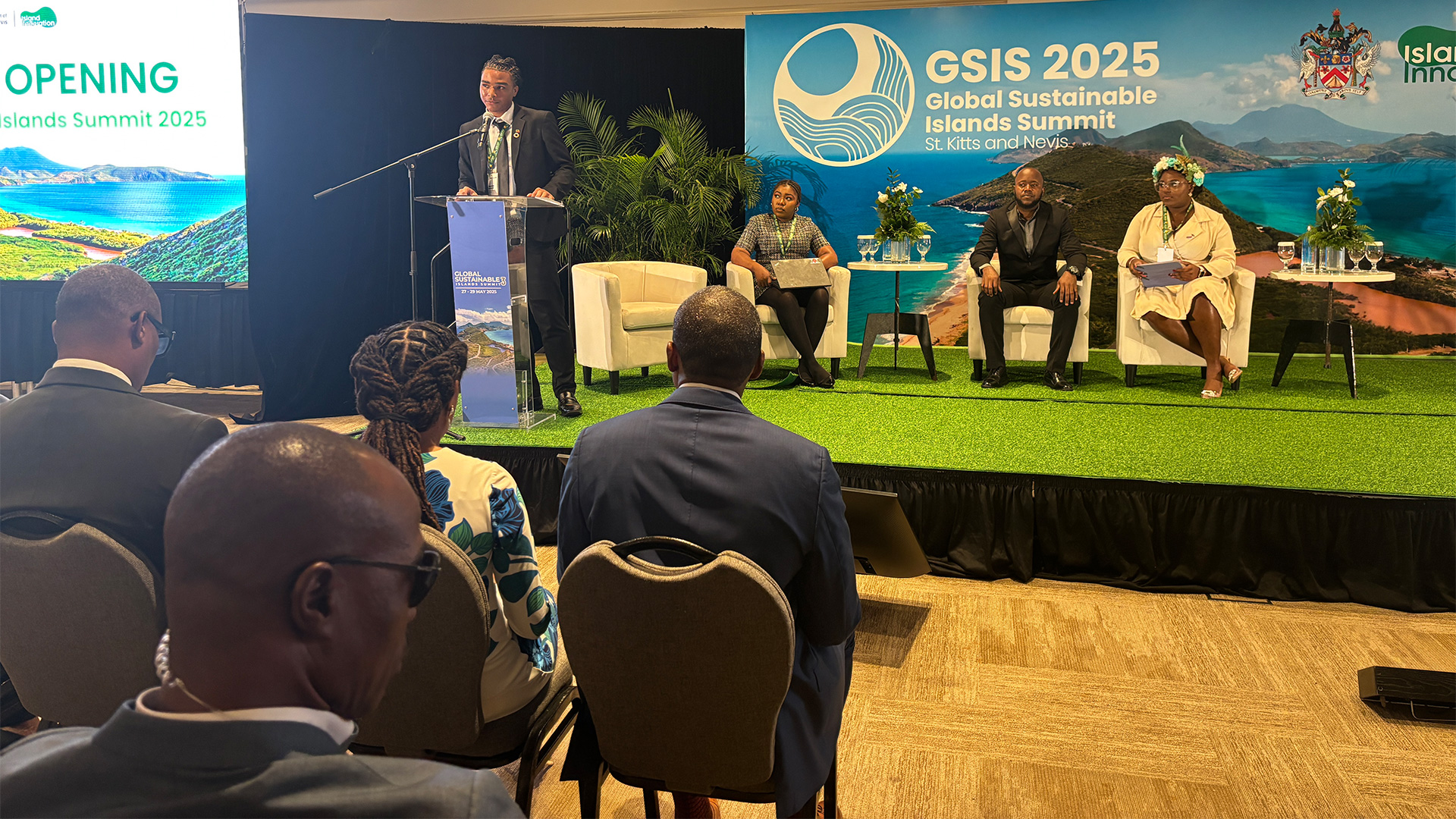
Aquanjé Robinson relays the recommendations and conclusions of the Island Youth Forum to attendees of the 2025 Global Sustainable Islands Summit
Still, much work remains to be done. To truly empower youth, governments and institutions must go beyond symbolic gestures. This means allocating dedicated funding for youth-led initiatives, embedding youth representatives in national delegations, and integrating youth priorities into Nationally Determined Contributions and adaptation plans. It also means addressing systemic barriers—like ageism, racism, sexism, homophobia, digital exclusion, and geographic inaccessibility—that disproportionately affect marginalized youth, particularly those in rural and island communities.
As we look toward COP30 in Belém and beyond, we must not lose momentum. Youth engagement should be mainstreamed across all levels of climate governance—local, national, and international. This is not just about inclusion; it is about justice. It is about recognizing the fundamental right of young people to shape the future they will live in. As the proverb says, “We do not inherit this land from our ancestors; we borrow it from our children.”
My own journey as a climate advocate began with a love for the ocean and a deep desire to protect the marine ecosystems that define my islands. Through education, policy advocacy, and international collaboration, I’ve witnessed the extraordinary impact young people can have. The next generation of climate leaders is already here. What we need now is for the world to listen, invest, and act accordingly.
Youth engagement in climate action is not optional. It is the cornerstone of a sustainable, resilient, and just future—especially for islands on the frontlines. Let us rise with the tide, not be swept away by it.