
Aboriginal land managers restoring Bass Strait island lungtalanana to pre-colonial conditions facing big hurdles
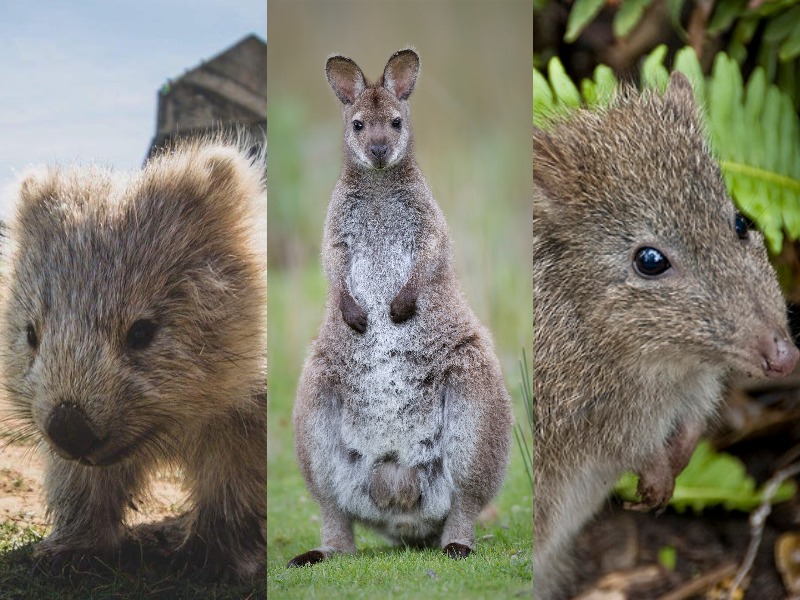
Photo Supplied: Tony King/John Harrison/Andrew Shipway. Retrieved from abc.net.au
Marsupial trap in sight, palawa man Andry Sculthorpe traipses through the blackened heath of lungtalanana, a small island off the north coast of Tasmania.
After five nights of trapping on Clarke Island, lungtalanana’s colonial name, the only small native species he’s caught are two frogs and a lizard.
He crouches in anticipation, hoping for the best but expecting the worst. Nothing.
The absence of small native species sends a bleak message to wildlife conservationists and traditional owners alike.
But the groups have a long way to go in their efforts to restore Country to pre-colonial conditions, and funds are drying up.
Mr Sculthorpe is the land and heritage coordinator with the Tasmanian Aboriginal Centre (TAC).
He’s on a mission to reintroduce native species lost to lungtalanana since colonisation.
The project is being led by the TAC and the World Wide Fund for Nature Australia (WWF-A), in collaboration with the University of Tasmania.