
Ahead of hurricane weather, vetiver is stabilising this Caribbean island’s crumbling hillsides
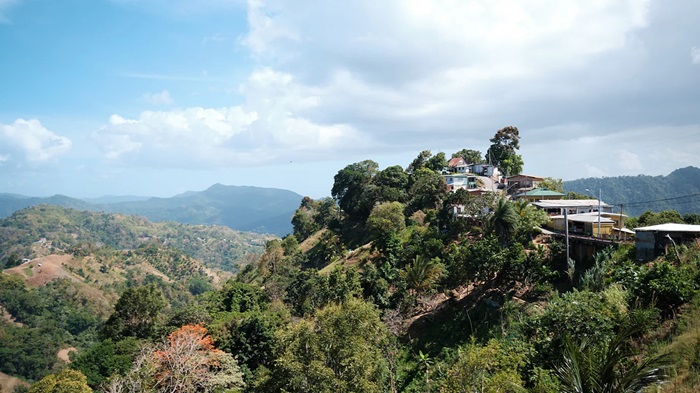
Photo credit: Damir Ali. Retrieved from bbc.com
The Caribbean is bracing itself for an intense hurricane season. A fragrant plant could help limit damage from extreme weather in Trinidad.
In the early hours on a Saturday morning, deep into the dry season, Mary Romany-Constantine makes her way down the steep hills of Paramin – a village on the northern coast of the Caribbean island of Trinidad – to a farmer’s market in Diego Martin, with her wares in tow. Homemade wines, bars of soap, bundles of fragrant roots, all displayed on delicately woven mats and in decorative baskets – also for sale.
Romany-Constantine makes this wide variety of items all from a single plant that is now responsible for protecting much of the hilly land across Paramin. Its unique root system can function like a retaining wall for areas prone to land slippage when it is planted correctly. Around the world it is known as vetiver grass, but in Paramin the older residents who grew up using the plant call it “metiver”.
The hillsides of the agricultural community are covered in beds of aromatic “green seasoning”: chives, thyme, basil, parsley, mint, rosemary. But the roots of these plants are no match for the heavy rains of the June to December wet season, and every year communities like Paramin lose precious fertile topsoil to erosion and landslides. While locals give anecdotal information on the damage done over the years, there’s a dearth of research on exactly how severe the problem is.