
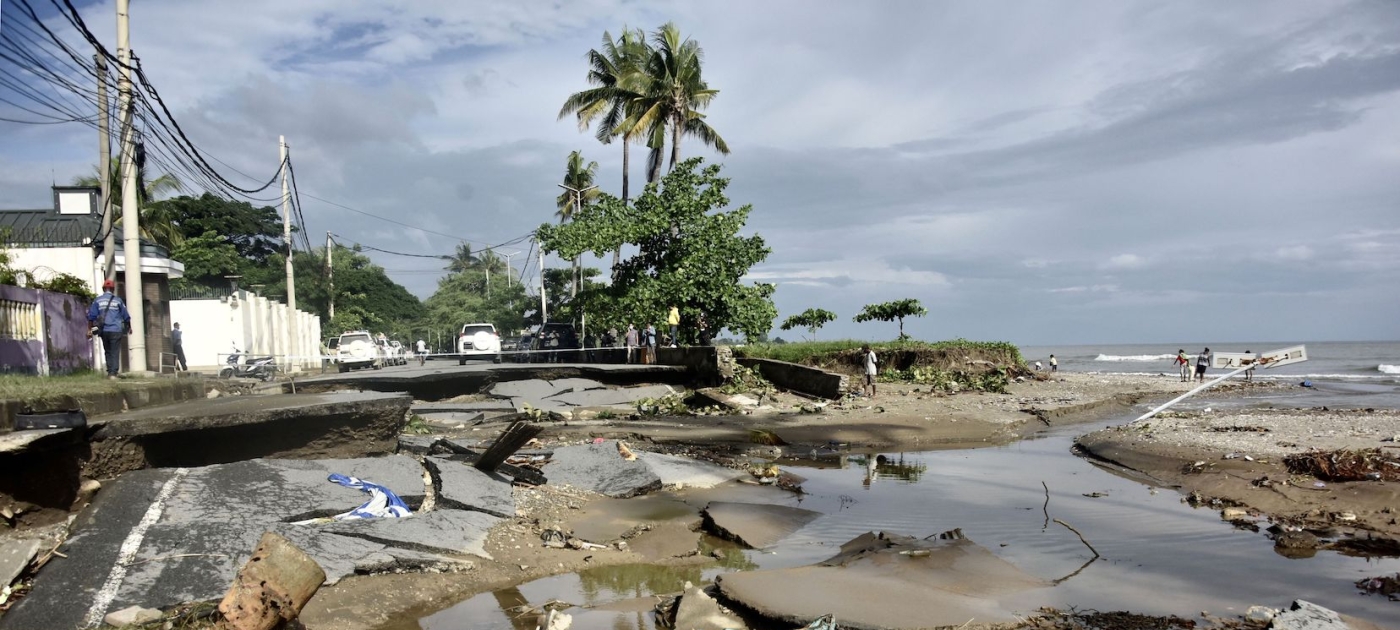
Photo: Retrieved from unep.org
Timor-Leste has a rich ecosystem of marine biodiversity coral reefs and mangroves. But this island nation in South East Asia is also one of the most vulnerable to extreme weather and slow-onset climatic events, like sea level rise.
In 2021 flash floods there killed more than 30 people and destroyed more than 4,000 homes. These were the worst floods in over 50 years and highlighted how unprepared Timor-Leste is for the climate crisis.
But that is changing.
The United Nations Environment Programme (UNEP) is helping the country build a cutting-edge early warning system for a range of climate-related disasters. Financed by the Green Climate Fund, it is expected to be operational around 2026.
“The simple fact is that early warning systems save lives.”
It will include a battery of radars and underwater sensors that will help government meteorologists better forecast extreme weather and issue alerts to Timor-Leste’s 1.3 million people. The project is much needed as climate change is expected to bring more floods, heatwaves, droughts and storms to Timor-Leste, while raising sea levels.
“The simple fact is that early warning systems save lives and help protect ecosystems,” said Jian Liu, the Director of UNEP’s Early Warning and Assessment Division. “As the planet’s climate changes, it’s crucial that developing countries have access to state-of-the-art technologies, tools and capacity development support.”