
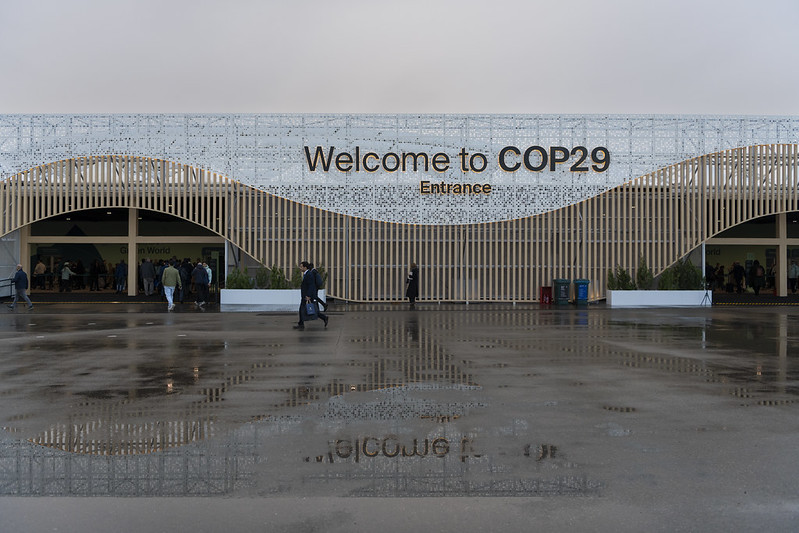
The 29th Conference of Parties (COP29) has concluded in Baku, Azerbaijan, after a difficult week of negotiations among the 200 countries attending the UN Climate Summit. This year the focus was on climate justice and agreeing on a deal where developed countries would give funding to developing countries to help them shift to a low-carbon economy. After days of lengthy and tense talks, a deal was finally agreed. In the deal, the developing world should receive at least $1.3tn (£1tn) a year in funds to help them shift to a low-carbon economy and cope with the impacts of extreme weather by 2035.
As with previous editions of the conference, there was plenty of disagreement and controversy: halfway through the meeting, several senior climate leaders wrote a public letter saying COP was not fit for purpose and calling for reform. Most notably, many say the deal isn’t enough, especially as only $300bn of the funds will come through low-interest loans and grants, which are the most needed, with protestors and nations calling the deal “too little too late”.
Included within the calls to do more was a letter co-authored by 23 leading environmental NGOs calling on world leaders to recognise the crucial role of the oceans in supporting coastal communities and the fight against climate change. This is despite the existence of the Ocean Pavilion at COP29 where multiple talks were held about the efforts that need to be made in the marine space and maritime industry.
Shipping’s climate role and biodiversity
The shipping industry is responsible for transporting around 90 per cent of the world’s goods and is clearly a fundamental part of the global economy but it also contributes significantly to climate change and the transfer of invasive species.