Excerpt and Photo from eastasiaforum.org
Despite expectations that 2024 could be a decisive year for Solomon Islands politics, relatively little changed over the year. This leaves questions about political stability and the balance of foreign influence on the country’s agenda for 2025.
The year began with all eyes focused on the April 2024 election, which some predicted would be the ‘most important … since independence’. It had been controversially delayed by a 2022 constitutional amendment to circumvent a requirement for national elections in mid-2023. Then Solomon Islands prime minister Manasseh Sogavare argued that the country could not financially afford to conduct the election and host the Pacific Games in November 2023. The Opposition doubted this explanation, preferring to believe Sogavare wanted the electoral boost of hosting a major international event.
While consequential, the April elections did not cross the threshold of being monumental domestically or internationally. There was considerable continuity at both levels after the election, at least until the end of 2024.
Sogavare’s Ownership, Unity and Responsibility Party suffered significant personnel reversals in the election but held on to power — even after Sogavare chose to stand aside in the leadership contest for prime minister.
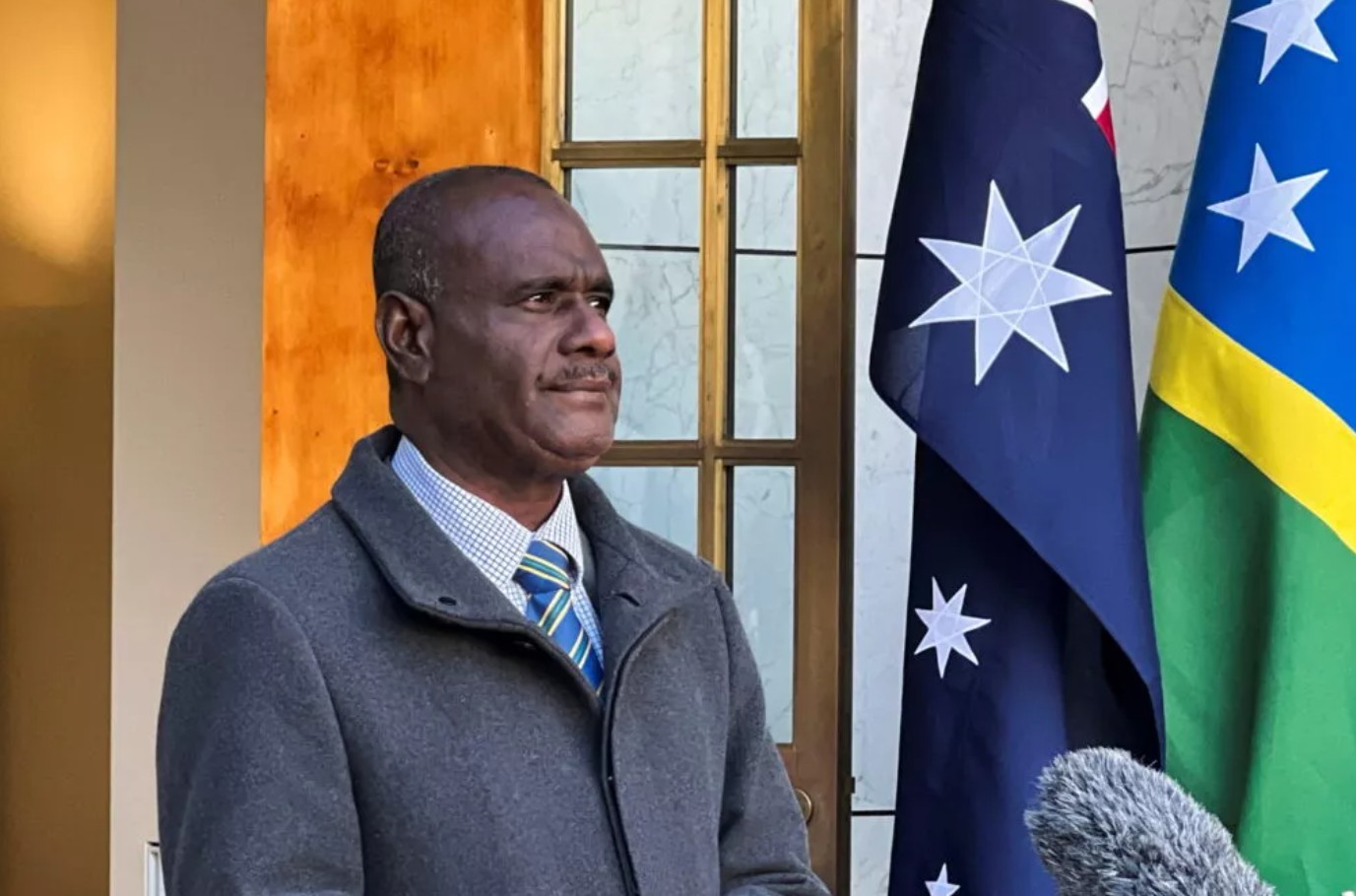
The Government for National Unity and Transformation (GNUT) emerged when Sogavare’s fellow party member and current Solomon Islands Prime Minister Jeremiah Manele cobbled together a governing coalition. The coalition comprises two small parties and a large number of independents who were rewarded with ministries.