Environmental DNA, a ‘revolutionary’ key to unlocking the secrets of our oceans
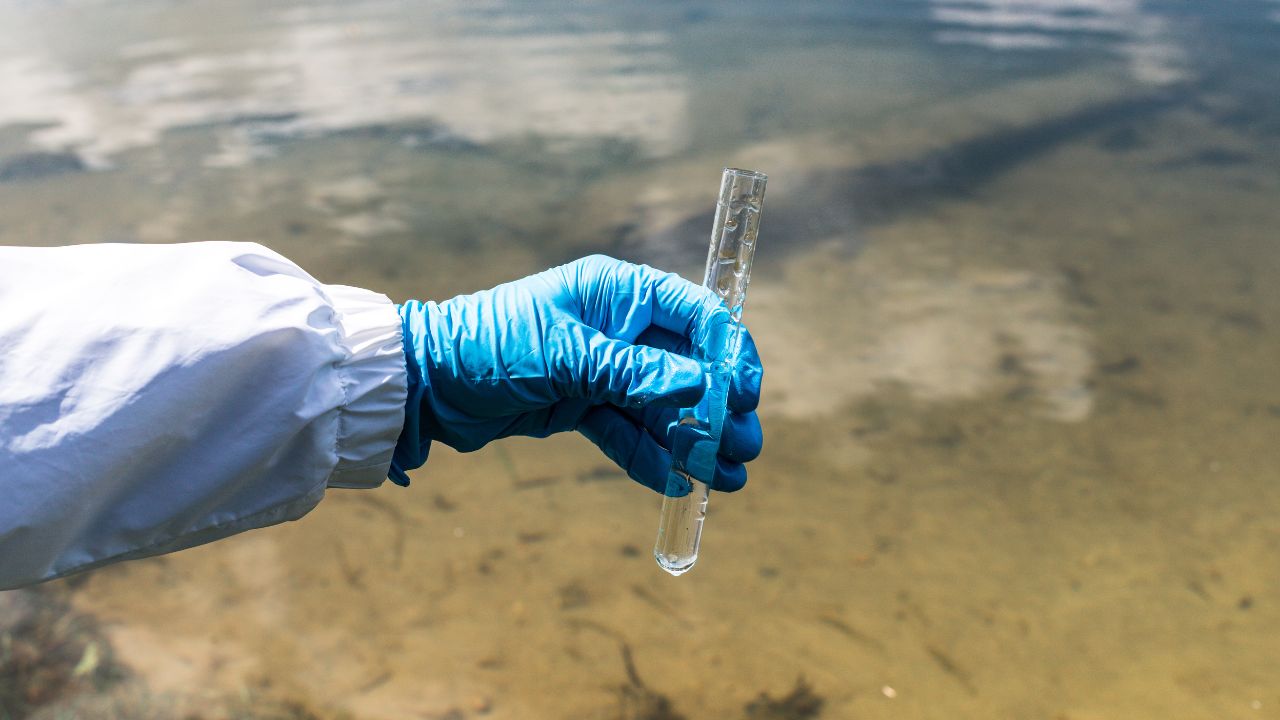
Pierre Jorcin slides on a pair of gloves, attaches a plastic tube to a filter, plunges it into the water, presses the start button on a small pump and then slowly begins walking through the river stream. Thirty minutes later, he has gathered three litres of water and filtered thousands of particles. The entire procedure seems simple, banal even. But Jorcin’s gesture is part of a microscopic revolution. In the process, the scientist has collected fragments of environmental DNA, also known as eDNA.
“Every living organism leaves traces of DNA behind, whether in water, soil or in the air. And those traces hold out for some time before eventually degrading,” Jorcin explains. “By collecting them, we can identify and catalogue the organisms we find like bacteria, mammals, amphibians, fish, etc.”