
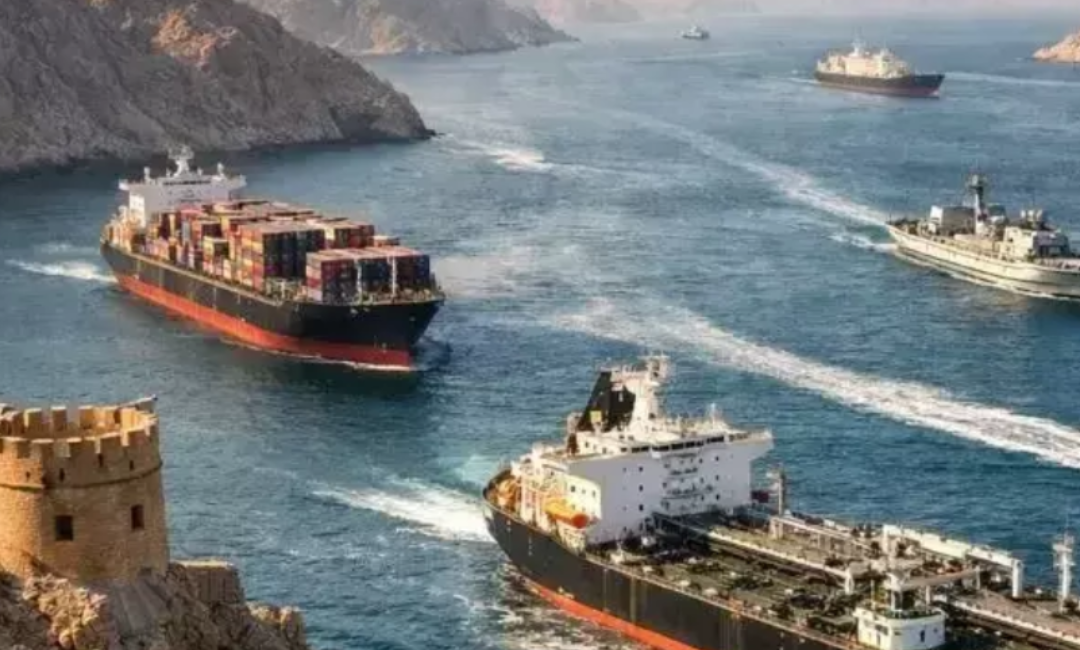
Excerpt from canarias7.es
Wars in the Middle East are rarely explained solely by the clamor of headlines. For decades, this region has been the epicenter of the most sensitive points in the global energy system, and each military escalation casts a shadow that reaches far beyond its borders. The current tension—with Iran, Lebanon, and the Strait of Hormuz at the eye of the storm—once again forces us to confront our own fragility: the stability of the global economy remains chained to a handful of maritime corridors.
This is certainly not the first time we've stumbled over this stone. Back in 1991, the Gulf War confirmed that control of crude oil and its transport routes is the true driving force behind high-level international politics. That intervention was sold to us as a crusade for legality after the invasion of Kuwait, but this appeal to law was, to a large extent, pure window dressing. As so often happens, the rules of the international game were invoked while they served the interests of the major powers and discarded when they ceased to be useful. Beyond the rhetoric, the conflict laid bare a stark reality: the Persian Gulf was—and still is—a key piece of the economic chessboard.