
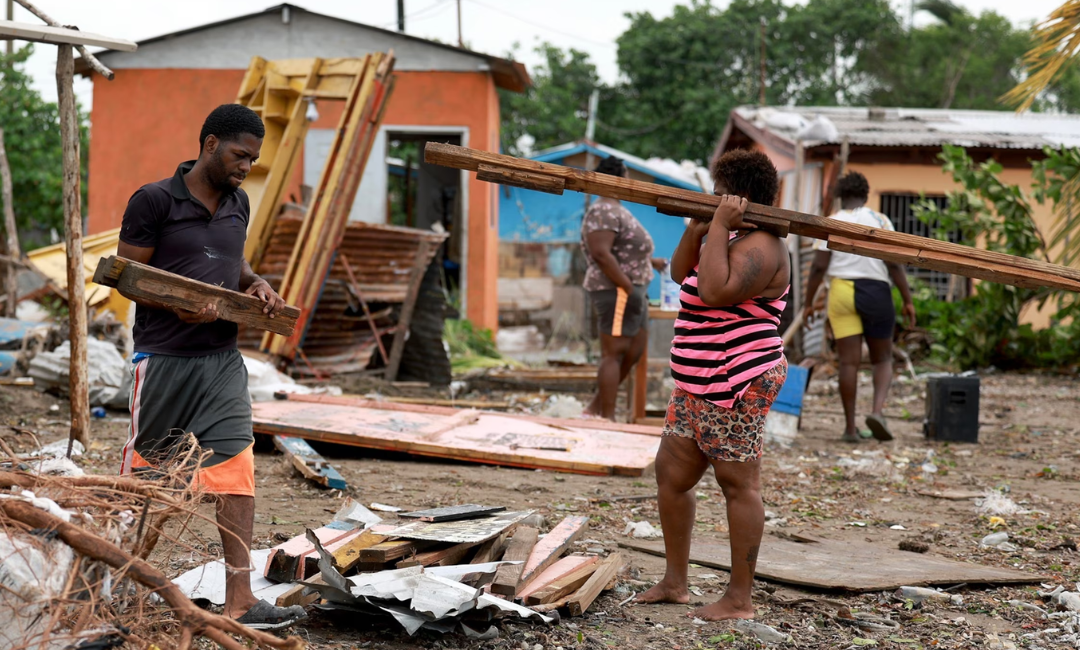
Excerpt from jamaica-gleaner.com
In the aftermath of Hurricane Melissa, the public conversation has centred on an understandably sensitive issue: should Jamaicans pay more to rebuild?
Roads were washed away, schools closed their doors, small businesses absorbed losses they were never structured to withstand, and several parishes continue to assess damage that will take months – if not years – to fully repair.
The instinct is to debate taxation. But the more meaningful question is not whether recovery costs money. It always does. The real issue is how Jamaica chooses to finance reconstruction – and what standard of rebuilding it is prepared to accept.
Over the past decade, Jamaica made deliberate progress in reducing its debt-to-GDP ratio and stabilising its macroeconomic position. That discipline matters. It restored investor confidence and reduced the country’s exposure to external shocks. A sharp return to heavy borrowing would risk weakening those gains. At the same time, avoiding difficult fiscal decisions in the name of political comfort is not a strategy either.
Every country that experiences severe disruption – whether through conflict, pandemic or natural disaster – must recalibrate. Recovery requires capital. The method of mobilisation determines whether a nation stabilises or slips into repetition.