From waste to product: the legacy of the Plastic Waste Free Islands (PWFI) Project in addressing plastic waste leakage
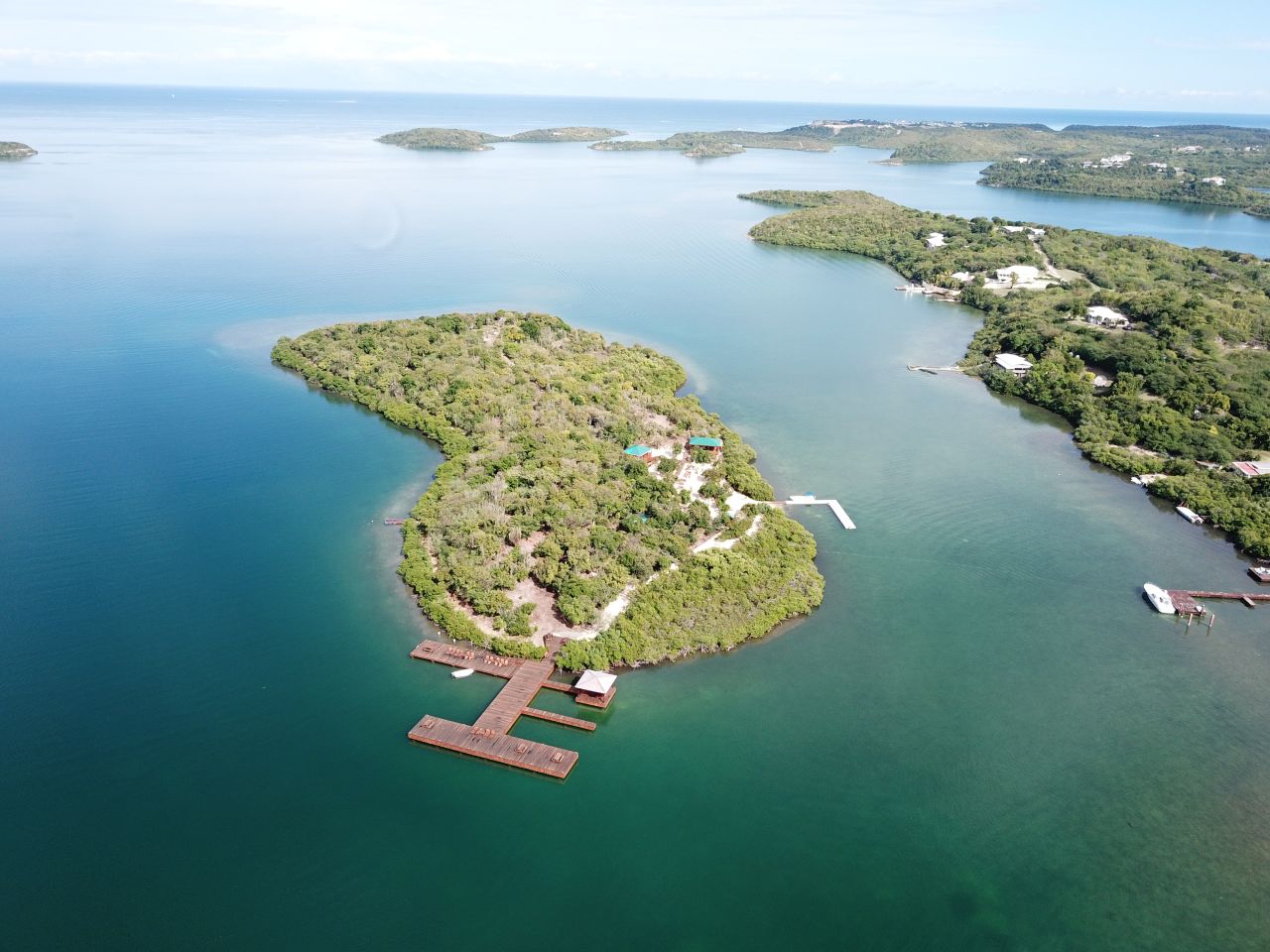
Photo: Joao Sousa/IUCN. Retrieved from iucn.org
The Caribbean region is an important biodiversity hotspot due to the high endemism on each island[[1]](https://www.iucn.org/story/202311/waste-product-legacy-plastic-waste-free-islands-pwfi-project-addressing-plastic-waste#_ftn1). Plastics and plastic pollutants are dangerous for the region, which hosts 10% of the world’s coral reefs, 1,400 species of fish and marine mammals, and extensive coastal mangroves. Pollution from solid waste, and in particular waste from plastics, has emerged as one of the greatest global challenges. In major Caribbean cities, the amount of solid waste collected can be as low as 50%. For a region whose prosperity depends on healthy marine and coastal ecosystems, there is a need for immediate action.
The PWFI Project was implemented by IUCN, together with the governments and key stakeholders of Antigua and Barbuda, Grenada, and Saint Lucia. The Project generated important results at both regional and national level, especially in terms of improving knowledge of waste generation, repurposing waste into commercially viable products, making the economic and business case for taking action, and determining policy and regulatory support for the adoption of measures identified.
The Project measured the amount and type of plastic waste in the tourism, fisheries, and waste management sectors, and classified it per recyclable and non-recyclable plastics. Regional estimations for plastic leakage per sector indicated that 3,087 tonnes of plastic were leaked in 2020. The largest contributors to plastic leakage were the household and commercial sectors, with 1,984 and 794 tonnes per year respectively. Plastic leakage for the tourism and fisheries sectors is significantly smaller, with 287 and 22.7 tonnes per year respectively. The top 4 types of plastics leaked into the environment were Other (7), PET (1), HDPE (2), and PP (5).