
Excerpt from fairobserver.com
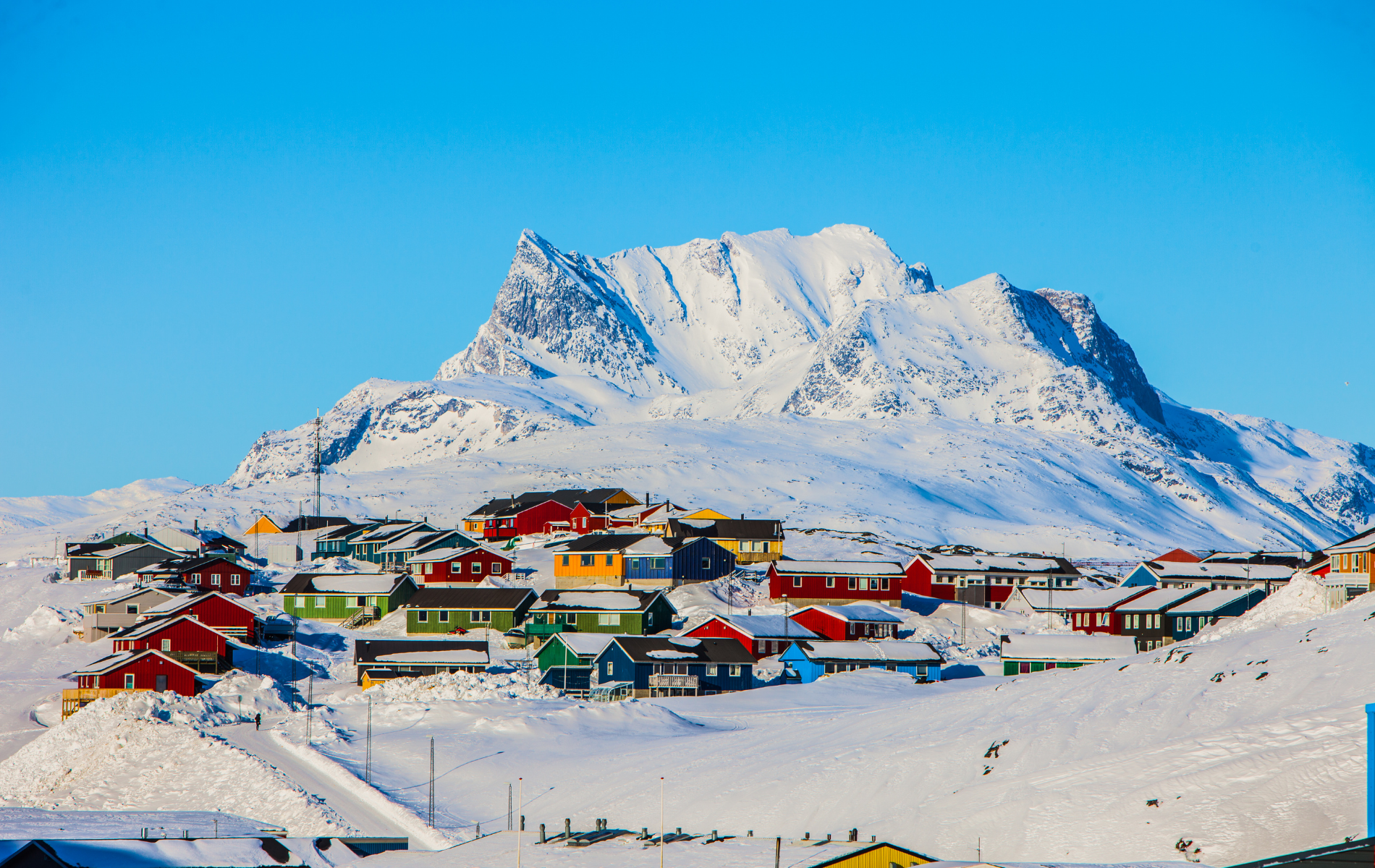
As the Arctic ice diminishes, Greenland evolves from a “peripheral” region to a focal point in international affairs. It is progressively recognized as a contested area of strategic significance. Previously an inaccessible, icy territory, Greenland now holds a central role in the security considerations of Washington, Brussels, Beijing and Moscow.
Greenland is not just entering global politics — it is reshaping it.
Greenland’s rising geopolitical significance
Beneath its ice lie vital minerals indispensable to tech-driven economic development and defense infrastructures. Concurrently, Arctic thawing offers potentially new maritime routes, military corridors and other strategic advantages. For the US, reducing dependence on China’s dominance in rare-earth processing has become a national security priority. For China, the Arctic represents an extension of its “Polar Silk Road,” a space for future trade and influence. Russia, meanwhile, is expanding its Arctic military capabilities and seeking control over northern sea routes. For NATO member countries on both sides of the Atlantic, the Arctic has been a vital military buffer since the Second World War.