
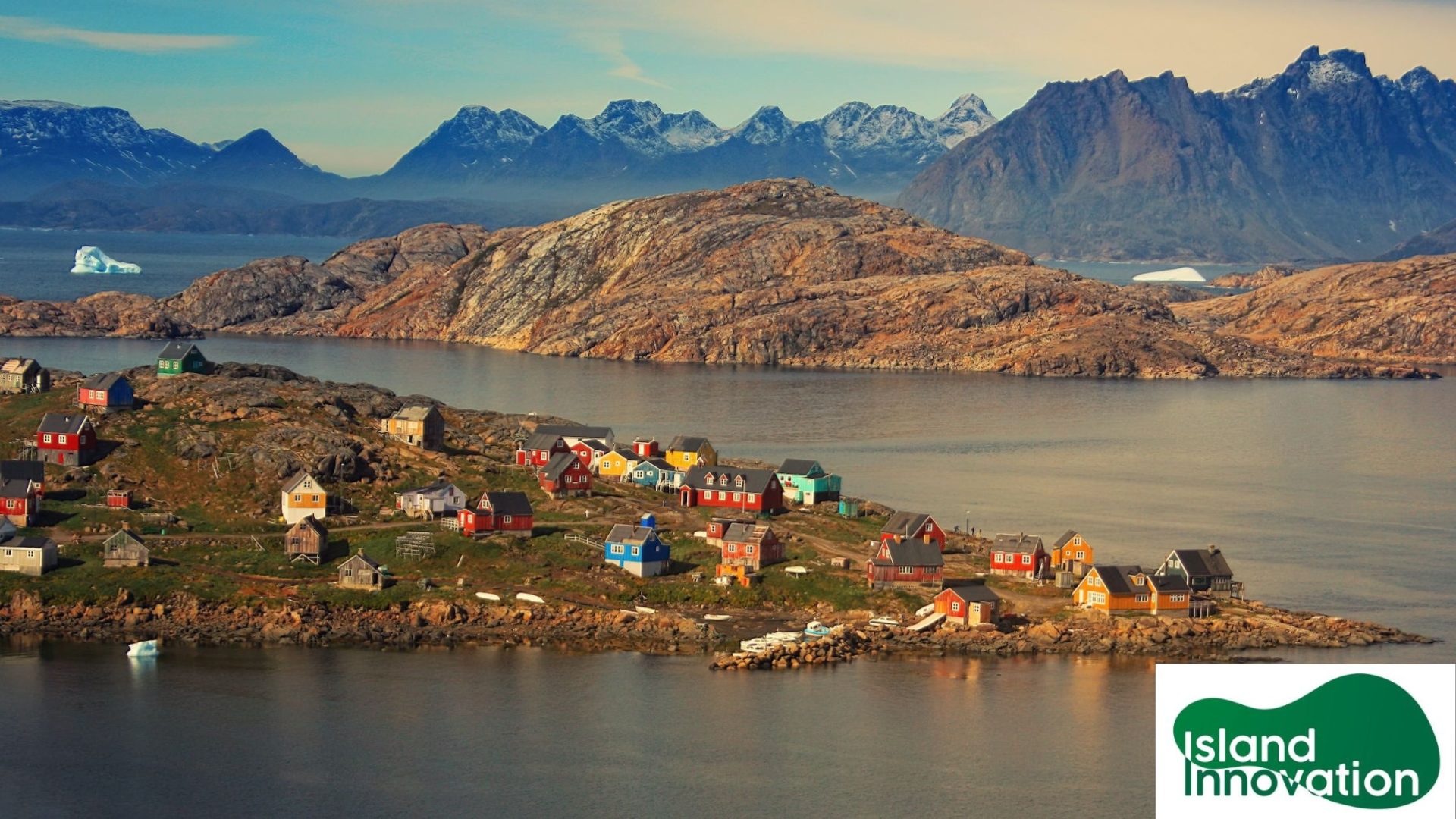
With Greenland reaching its highest temperatures in the past 1,000 years, the scene is changing. Arctic sea ice, which is responsible for maintaining cool polar temperatures, is dwindling rapidly. The oldest and thickest of it has declined by 95 percent during three decades of global warming.
Visual observation and remote sensing leave Heide-Jørgensen and fisheries biologist Brian Mackenzie with little doubt that a potentially irreversible regime shift– a change from one stable ecological condition to another – is occurring. Unprecedented numbers of dolphins and fin and humpback whales suggest a tipping point in the marine ecosystem off the east coast of the world’s largest island. This climate-driven shift means not only that meteorological and climatological phenomena thousands of miles away can affect local conditions in unexpected ways, but they create the potential for cascading effects throughout entire ecosystems.
Given the pace of global climate change, the Arctic Ocean could within our lifetimes record its first summer without ice. Some studies suggest that may happen within a few decades. “Forty or 50 years ago, that concept would be unthinkable,” Mackenzie said. “But it looks like it’s going to happen. And if that does happen, it would mean even more major changes on the food web and ecosystems up there.”