
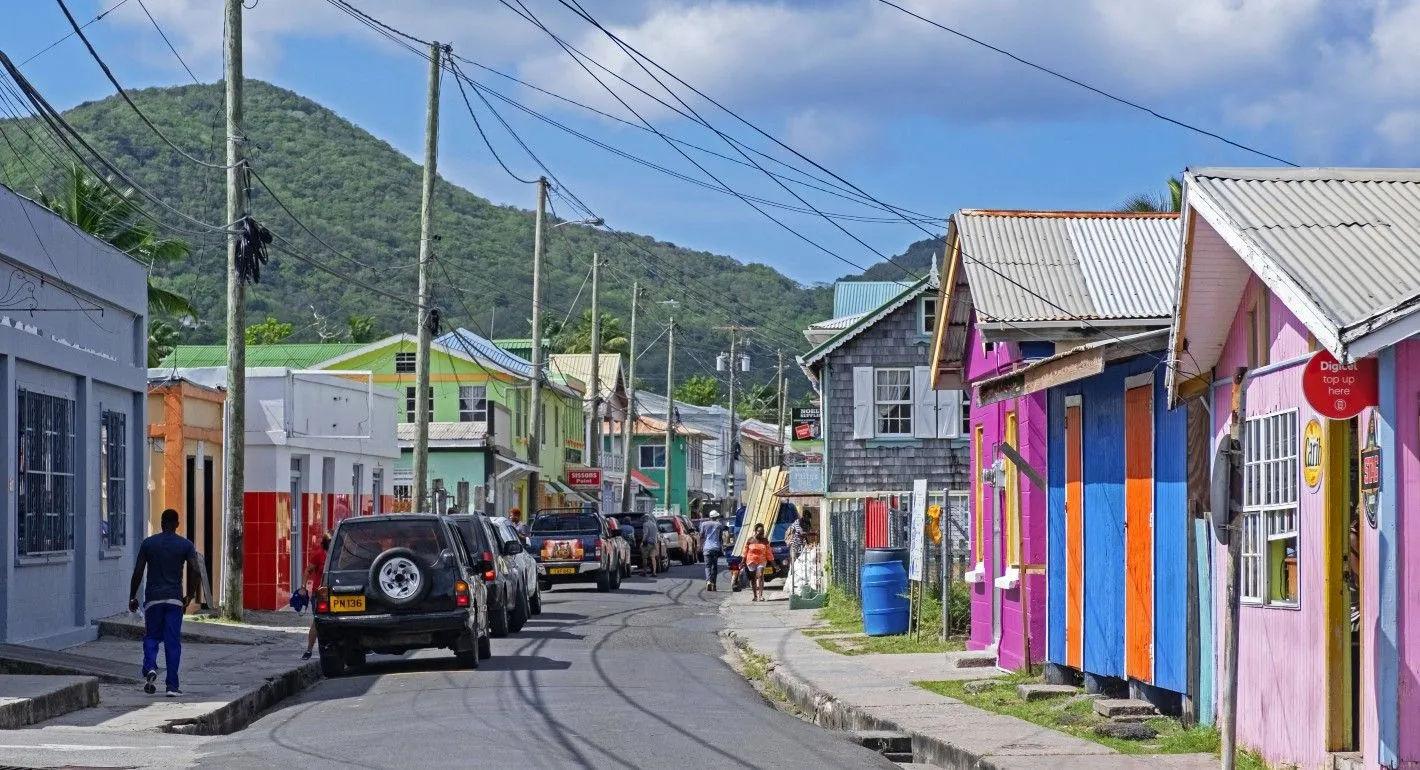
Photo credit: Marica van der Meer / Arterra / Universal Images Group via Getty Images / CarnegieEndowment.org
Excerpt from CarnegieEndowment.org
In a world increasingly dominated by narratives about the importance of border security and restrictive migration policies, regional integration models such as that of the Organisation of Eastern Caribbean States (OECS) offer a contrasting vision—one that views human mobility as a driver of economic growth, social development, and shared prosperity. Across many parts of the world, free movement agreements (FMAs) have become central to regional integration, enabling citizens to enter, work, and even settle in participating states. FMAs are provisions typically included in bilateral or multilateral economic trade and integration schemes, and over the past few decades, they have become standard policy tools through which states regulate cross-border movement with relative ease.
While the European Union’s Schengen Area is world-renowned and remains the most well-known example, FMAs are far from limited to Europe. Since the 1985 Schengen Agreement, regional and subregional integration initiatives containing free movement provisions have grown significantly, now involving over 110 states. The legal instruments underpinning such provisions have grown exponentially, and the rights they guarantee have also expanded accordingly. Today, FMAs are an important tool for enabling safe, orderly, and regular migration.