
Image Source: euronews.com
This natural paradise in the Atlantic Ocean expects to generate 50 per cent of its electricity from renewable sources in the coming years.
33% of electricity used on the Portuguese archipelago of Madeira in the first half of 2022 came from renewable energy sources thanks to a project co-funded by the EU.
The autonomous region lies some 660 kilometres off the west coast of Africa and benefits from a subtropical climate. However, there is a notable contrast between the humid north which receives more than 2,000 millimetres of rainfall a year compared to the drier, warmer south which receives just 500 millilitres.
Comprised of four islands, its lush and dramatic landscape was created by a series of volcanic eruptions almost one million years ago. Its green forests, mountains, cliffs and beaches attract thousands of hiking enthusiasts and surfers every year.
The archipelago is one of Europe’s outermost regions, which means its energy systems are isolated. The main island of Madeira has an area of just 741 square kilometres and its rugged terrain poses additional challenges when it comes to energy supply.
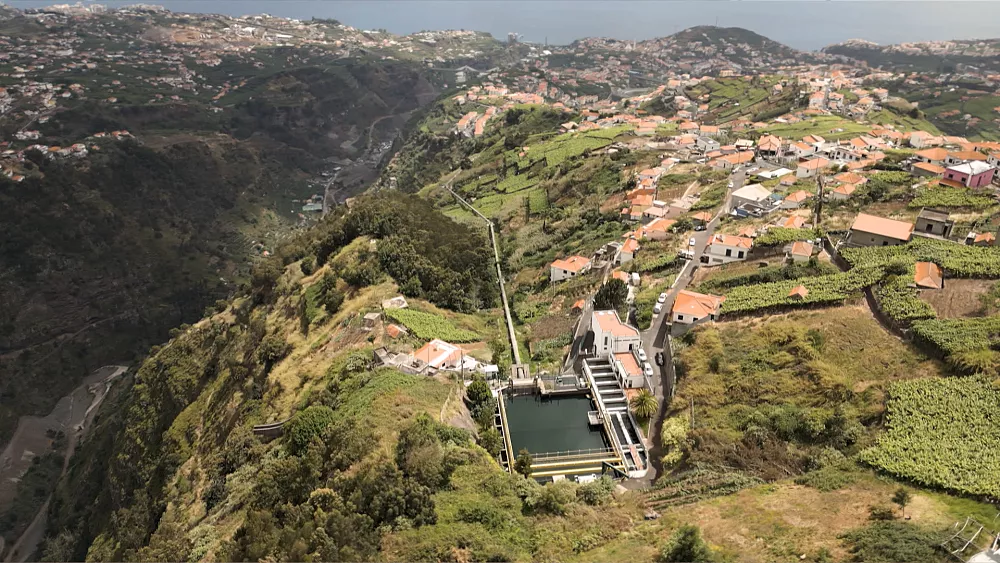
However, the contrasting climate between the north and south serves as an advantage thanks to its unique ancient water transportation system.