
How does Jamaica communicate about the climate crisis with the blind and visually impaired?
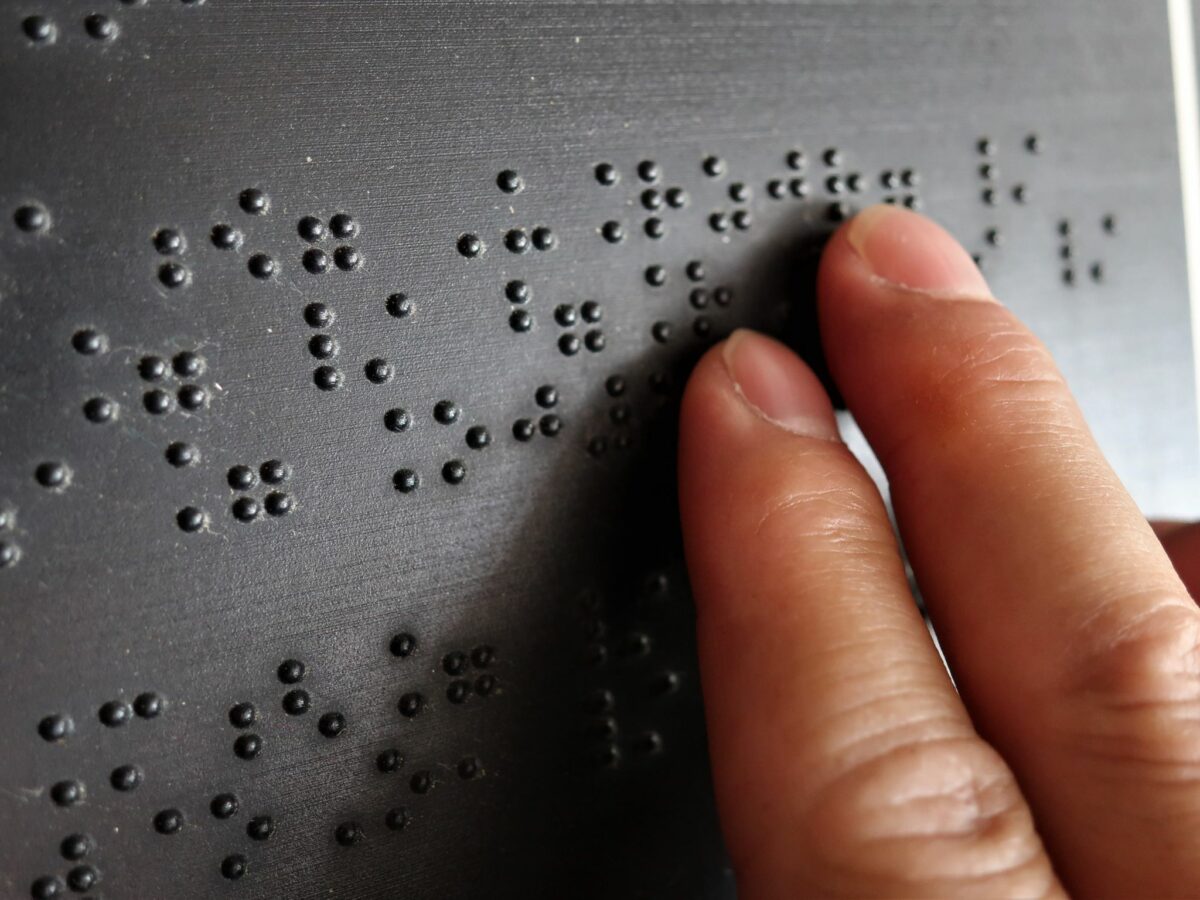
Photo: Feature image via Canva Pro. Retrieved from globalvoices.org
When it comes to the climate crisis, marginalised communities in Small Island Developing States (SIDS) often feel the brunt of its negative impacts. These communities face a double whammy: being residents of a small island developing state and also being members of a disadvantaged group of people within their country.
One such community is the blind. How easily can they access information on climate change? How much information is made available for them to access? Is it enough? If not, how much more needs to be done? Is the provision of climate funding, or lack thereof, from larger countries a contributing factor to this problem, and if so, how can it be addressed?
Local organisations and policies can have set targets on paper, but without adequate funding, climate change communication for the blind may continue to fall by the wayside, leaving this community exposed and ignorant to some of the content, as well as dependent on others to relay the information.
Adrienne Pinnock, manager of corporate communications and public relations at the Jamaica Council for Persons with Disabilities (JCPD), says that her organisation currently houses an informal library with accessible climate change-related content for the disabled community, including the blind:
Very few of our constituents, meaning [people] from the disabled community, have approached us to consume [any] material we may have on climate change. What we find is that if we want to inform them, we would have to go where they are and have the conversation.
The JCPD library offers material about climate change, as well as publications that are specific to the community of people with disabilities. One drawback is that it is unable to lend the reading material the way a typical library would, but it remains available for use in-house. Pinnock adds, though, that it is mostly non-disabled people accessing the material, either for research or study preparation.