
Image credit: Retrieved from nytimes.com
Ms. Shauna is the minister for the environment, climate change and technology for the Maldives. She wrote from Malé, the Maldives.
Many developing countries lack access to the cheap financing they need to make the switch to clean power, so they continue to burn fossil fuels, even though this is more expensive over the long term and hurts efforts to slow rising temperatures.
In a report last April, the World Bank framed the problem this way: Low- and middle-income countries “are caught in a poverty trap; they are unable to afford the high upfront costs of switching to clean energy, and thus are locked into higher costs and recurring payments for fossil fuels.”
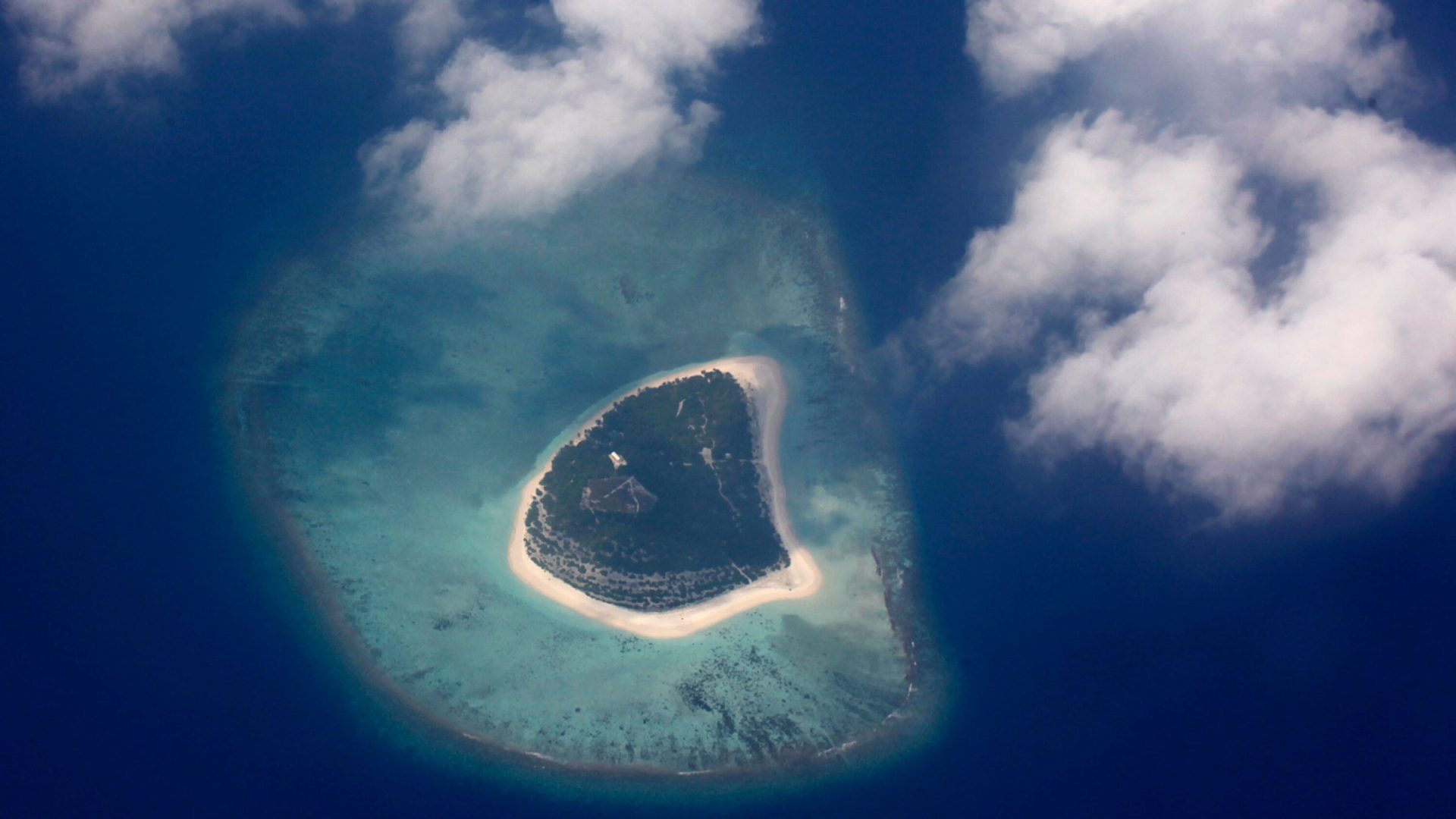
Perhaps no place better encapsulates this energy paradox than my country, the Maldives, a nation of nearly 1,200 islands in the Indian Ocean and a little more than a half-million people scattered across 187 of those islands. For electricity, we rely almost completely on imported diesel fuel to run our generators. It’s dirty, expensive, volatile in price and a huge drain on our foreign currency reserves and budget.
But recent solar and battery storage projects, financed with the help of the World Bank, offered a path around those high capital costs so we could deploy renewable energy projects across our archipelago. They provide a template for other nations struggling with the same financing dilemma.
The Maldives is a new and fragile democracy. Its first multiparty elections were held in 2008. Since then, the country has experienced political upheaval, a period of authoritarian retrenchment, and more recently, a return to democracy and calm under the leadership of President Ibrahim Mohamed Solih.
The Maldives would like to rapidly deploy renewable energy, primarily solar, given our abundant sunshine. In 2020, President Solih set a goal for the Maldives to become net-zero by 2030 — one of the world’s most aggressive mitigation targets.
Not surprisingly, producing a unit of electricity with solar power on a sunny day is vastly cheaper than producing a unit of electricity using diesel. Especially on the more remote islands, switching from diesel generators to solar power promises fantastic cost savings, a boon to both residents and the government, which subsidizes electricity.
But we have been held back by the exorbitant cost of financing renewable projects. Our large debt and recent political instability, coupled with the hangover from the pandemic, have hurt the Maldives’ credit rating. The loans available to us can therefore carry elevated interest rates. This sky-high cost of capital makes most solar projects non-starters. So we continue to burn diesel fuel.