
In New Guinea, megadiverse lowland forests are most at risk of deforestation
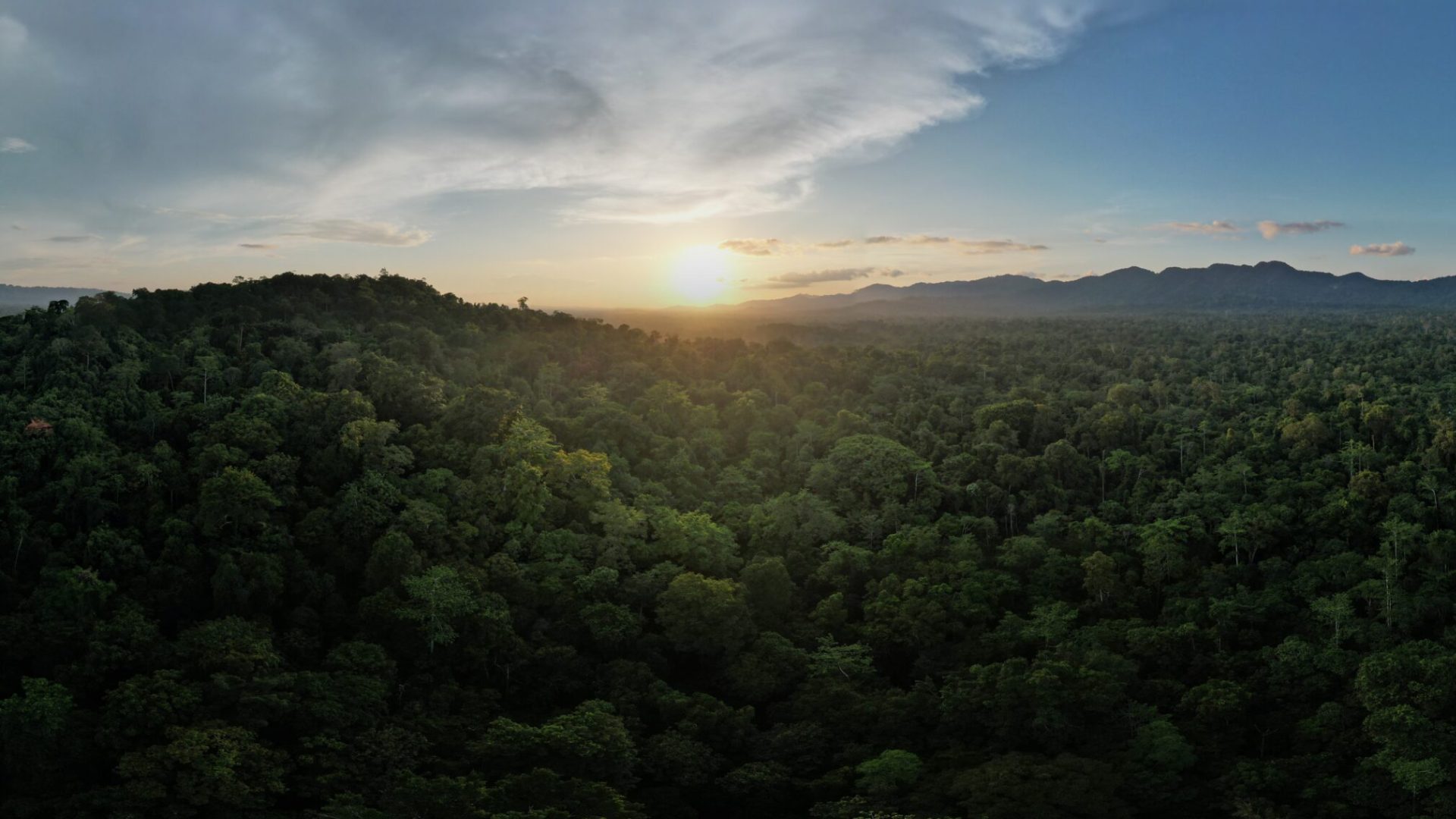
Image courtesy of Christoph Parsch. © Mongabay, 2025. Source
The island of New Guinea is famed for its eye-popping diversity of plants, animals and human cultures. Estimated to host one-tenth of Earth’s species, it’s the world’s second-largest island and has the third-largest intact expanse of tropical forest in the world, after the Amazon and the Congo. It’s where birds-of-paradise perform their effervescent courtship displays, tree kangaroos shimmy up trees to dizzying heights, and the world’s largest butterfly flits between foliage in the forest canopy.
This extraordinary biodiversity is partly the result of centuries of evolutionary isolation at the edge of the western Pacific, where the biota of Asia and Australasia meet. It also comes from powerful tectonic activity that shaped a rugged and mountainous landscape, making many areas difficult for humans to access and develop.