
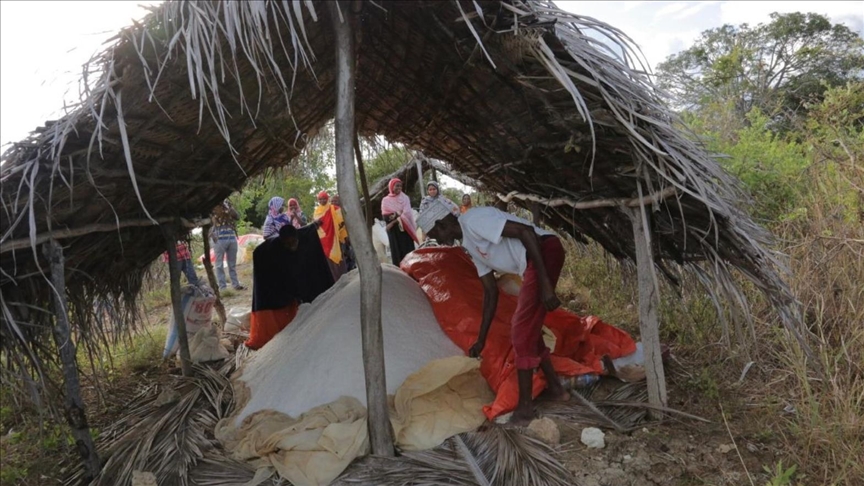
Excerpt and Photo from aa.com.tr
Mariam Said Ali, a 33-year-old mother of three, stood barefoot on the sun-scorched shore of Tumbatu island, a bundle of seaweed clutched in her hands.
Behind her, the vast Indian Ocean shimmered under the afternoon sun, calm yet holding a quiet threat.
For generations, this crescent-shaped island off the northern coast of Zanzibar – a semi-autonomous region of Tanzania – provided its people with rich fishing grounds, fertile cassava and maize fields, and steady trade winds for traditional dhows.
But those days are slipping into the past.
“God created this ocean to sustain us,” Ali said, her voice tinged with frustration. “But now, it feels like He has turned away. We suffer through drought, and when the rains come, they flood everything and leave destruction in their wake.”
Ali’s story reflects the growing struggles of the 12,000 residents of this close-knit community of fishers and small-scale farmers.
Climate change has upended their lives, threatening a centuries-old harmony with nature, and rising sea levels, unpredictable weather, and declining fish stocks now jeopardize their survival.