
Lessons from the Maui Wildfires on Building a Climate-Resilient Grid for Island Communities
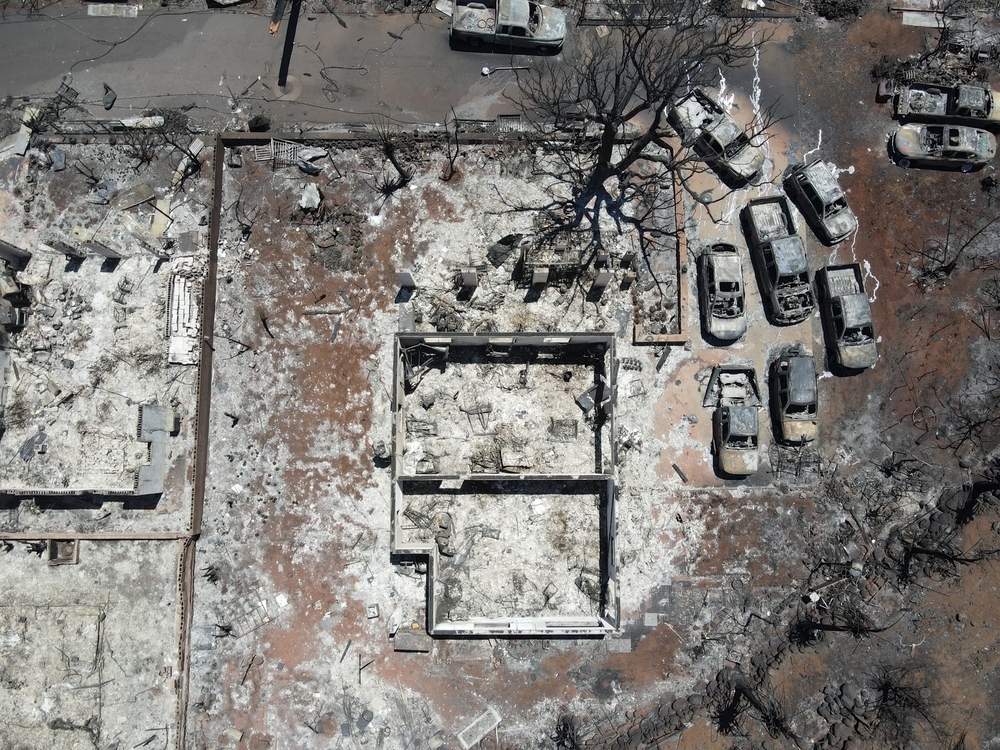
Photo: Retrieved from energypolicy.columbia.edu
Vulnerable power grids increase the risk of wildfires. Deteriorating components and poorly maintained, aged infrastructure can spark wildfires, as was the case in the Camp fire in California in 2018. While the official investigation into the causes of Maui’s recent fires is still ongoing, it is likely[[5]](https://www.energypolicy.columbia.edu/lessons-from-the-maui-wildfires-on-building-a-climate-resilient-grid-for-island-communities/#_edn5) that extreme winds brought down power lines and ignited fires in the area around Lahaina, and across Maui more broadly. The necessity of upgrading Hawaii’s electricity had been identified long before the catastrophic events of early August, including the need to replace aging pylons on Maui.[[6]](https://www.energypolicy.columbia.edu/lessons-from-the-maui-wildfires-on-building-a-climate-resilient-grid-for-island-communities/#_edn6) There are questions[[7]](https://www.energypolicy.columbia.edu/lessons-from-the-maui-wildfires-on-building-a-climate-resilient-grid-for-island-communities/#_edn7) about whether Hawaiian Electric could have established a power shut-off program in consultation with local communities and authorities in advance, potentially powering down with less damaging consequences.
Wildfires have the potential to impact the power grid in multiple ways, either through direct physical damage to utility infrastructure, such as downing of power lines, transformers and substations, or via necessary preventative power shutoffs, as in California’s Public Safety Power Shutoff (PSPS) program.[[8]](https://www.energypolicy.columbia.edu/lessons-from-the-maui-wildfires-on-building-a-climate-resilient-grid-for-island-communities/#_edn8) Alongside loss of business activity, wildfires increase[[9]](https://www.energypolicy.columbia.edu/lessons-from-the-maui-wildfires-on-building-a-climate-resilient-grid-for-island-communities/#_edn9) costs to all power sector stakeholders, from investor-owned utilities to state and local governments, to ratepayers and taxpayers. Even power outages[[10]](https://www.energypolicy.columbia.edu/lessons-from-the-maui-wildfires-on-building-a-climate-resilient-grid-for-island-communities/#_edn10) unaccompanied by the tragic wildfires can have severe impacts on the health and wellbeing of the local community, as well as negative economic repercussions.
For policymakers envisioning a climate-resilient grid for island communities, taking a multifaceted approach—one that accounts for the unique challenges posed by islands’ geographical isolation and vulnerability to climate-induced disasters—is critical. Some measures that will help island communities safeguard against the increasing threats of climate change and ensure sustainable power supply include: