
Meet Helena Bennett, the woman helping to preserve St Helena’s wild landscapes for generations to come
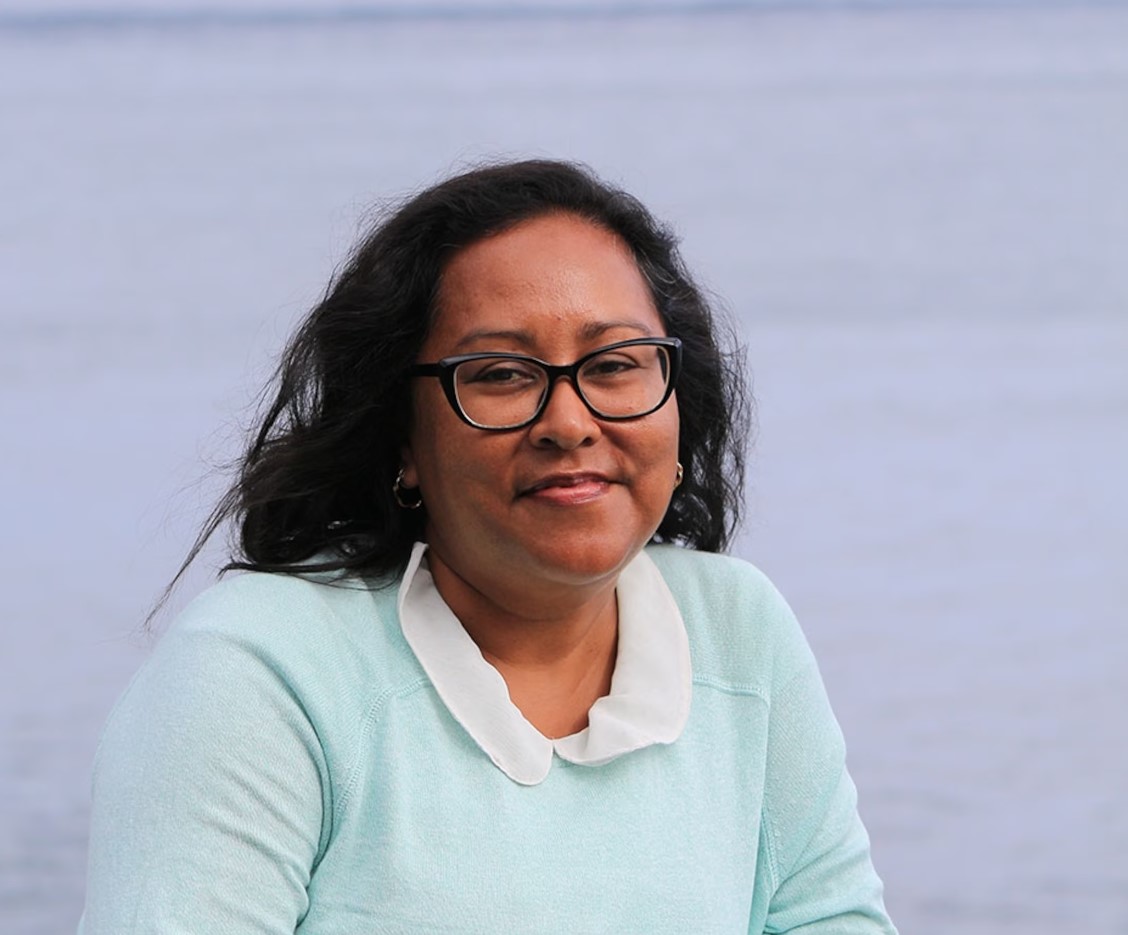
PHOTO BY SOPHIA JOSHUA. Retrieved from nationalgeographic.com
Everything about the small island of St Helena seems unlikely. It stands isolated in the middle of the South Atlantic, halfway between Africa and South America, but it’s been a British colony for over 400 years. The island is mostly made of volcanic rock, yet its topography is astonishingly varied, ranging from meadows and cloud forest to subtropical valleys filled with wildflowers, cacti and succulents.
\And, although it covers less than 47sq miles — roughly the size of Manchester — this speck of land is home to 502 endemic species (over a third of the total found across all British territories). It’s also home to Helena Bennett, the director of the St Helena National Trust, who works to preserve these natural wonders and educate visitors on the island’s storied past.
Like most St Helenians — or Saints, as they prefer to be called — Helena’s family history illustrates the island’s tangled past. “St Helena is a melting pot. Most islanders have at least 16 different DNA markers,” Helena explains. “On my maternal side, we traced our family tree back to 1645 and the Bennetts in Lancaster, who came as part of the whaling industry. On my paternal side, 24% of my DNA is from Southern India, so they were probably workers for the East India Company. We discovered 14% comes from Congo or Cameroon, so that’s the slave trade. A single person is a living piece of the island’s history. To me, that’s fascinating.”