
Navigating Príncipe: community-led conservation amid the canopies off the coast of Africa
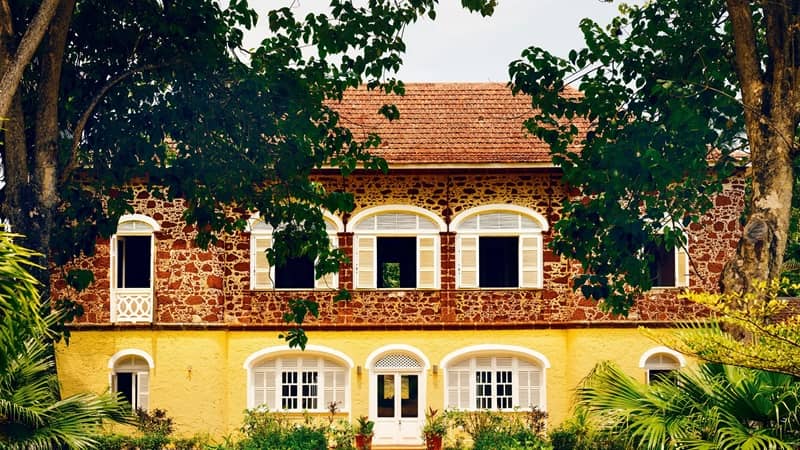
Photo: Graydon Herriott. Retrieved from cntraveller.com
If the idea of heaven were as simple as a deserted beach and the freedom to roam safely, then Príncipe, a remote island in the Gulf of Guinea, is that lost Eden. During the pandemic, I dreamed of returning to this poor but paradisiacal island that I first heard about from my father, who was absentee British ambassador there during the 1980s, after it gained its independence from the Portuguese. The archipelagic islands of São Tomé and Príncipe are mere grace notes on the vast score of the Atlantic, perched near where the equator and the zero longitude meridian cross paths. They are reminiscent of Middle Earth: improbable fingers of phonolitic rock erupting from mists and preternaturally green forest. I came to hike this loop of horseshoe bays, arriving at Ribiera Izé to visit the ruins of the island’s first Catholic church and its abandoned capital.
Being alone in this Jurassic Park wilderness is an exceptional and eerie experience. I think of the story of the island’s “Tarzan boy”. He was seven when he disappeared into the forest. When rescued almost a year later, he was miraculously unscathed, apparently well-fed by the mona monkeys and protected by the benign climate and remarkably sustaining cradle of the jungle. Without predators, wildlife here has not needed to develop venomous powers and toxic deterrents. Untethered from the West African mainland 200 miles away, across deep sea troughs, and 100 miles apart from its twinned island state of São Tomé, this so-called African Galápagos evolved its own unique species.