
Nickel mining’s toll on Indonesia’s small islands: stories of resistance and survival
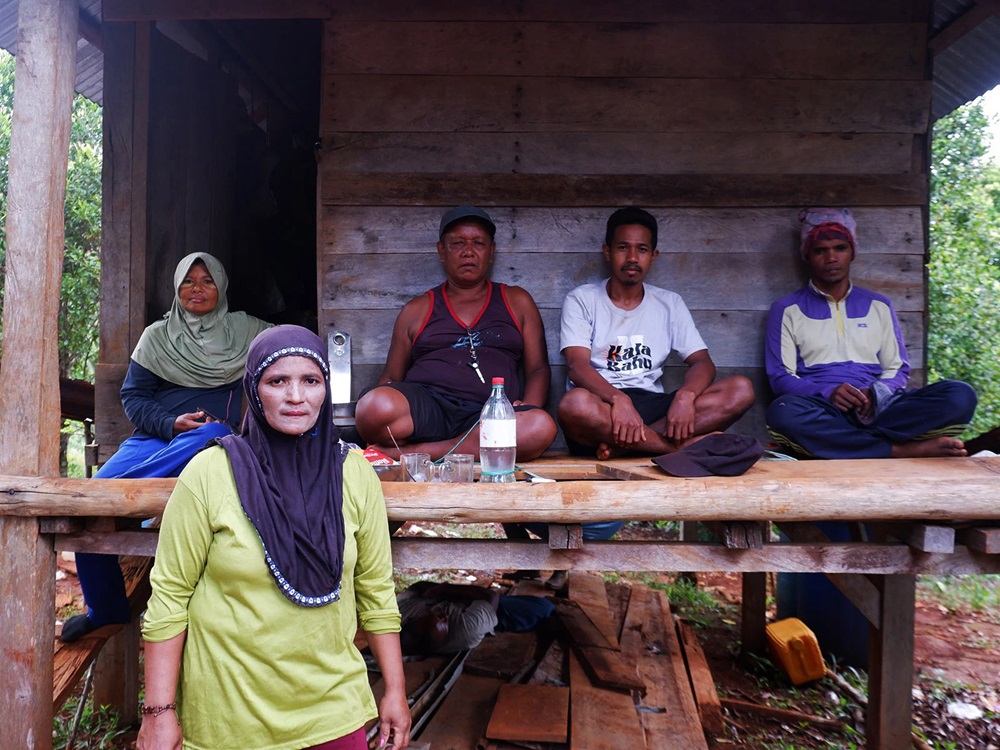
Image: Yuli Z / Project Multatuli. Retrieved from dialogue.earth
Nickel companies are destroying the environment on Indonesia’s small islands and threatening local livelihoods. As ecosystems are compromised, communities struggle to survive.
Indonesia is home to the world’s largest nickel reserves. With this resource, the government aims to position the country as a leading battery producer for the global electric vehicle (EV) industry. This ambition has fuelled a surge in nickel mining and smelting activities that often bypass regulations, threatening fragile ecosystems unique to small islands.
Under Indonesian law, mining on islands smaller than 2,000 square kilometres is prohibited. One mining company tried to overturn the protection by submitting a case to the Constitutional Court, which in March this year rejected the request. But even after the court’s ruling, several companies continue their operations, causing extensive environmental damage, particularly on small islands like Kabaena (873 sq km), Wawonii (715 sq km) and Gebe (224 sq km).
Beyond ecological damage, these nickel mining and smelting operations have also disrupted the livelihoods of people who depend on the natural resources. The companies deny responsibility for damaging the environment, often attributing issues like water pollution to natural causes such as heavy rainfall.
We share the struggles and resistance of these communities.