
Okinawa salt manufacturer shifts production method in decarbonization drive
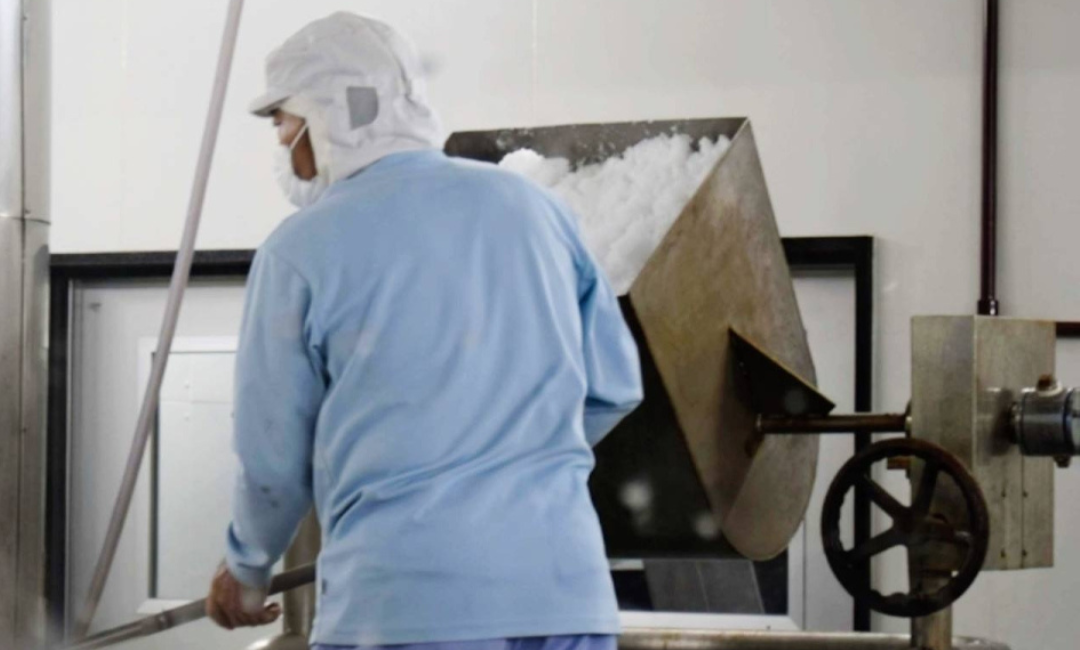
Excerpt from japantimes.co.jp
Surrounded by sea, Okinawa Prefecture has long treasured salt, which is indispensable to people’s daily lives. But the salt industry is facing a major challenge — to change how it produces salt and delivers it to end users, a process that emits a massive amount of carbon dioxide. The production of salt — called maasu in the Okinawan dialect — involves generating high-temperature, high-pressure steam and boiling seawater or concentrated brine in a flat pan until crystals form. In Japan, coal-fired boilers are commonly used in this process.
“People even say salt equals coal — it uses an enormous amount of fossil fuel,” says Genei Matayoshi, CEO of Aoiumi, the operator of salt manufacturer Shima-maasu Honpo in Itoman, Okinawa Prefecture.
The salt industry’s total CO2 emissions in Japan in fiscal 2024, which ended in March 2025, are estimated at about 631,000 tons. While this represents a reduction of nearly 138,000 tons from the base year of fiscal 2013, achieving the government’s goal of net-zero emissions by 2050 remains distant.