
Providencia Island - UNESCO helps communities build ecosystems and livelihoods in Colombia
Excerpt from unesco.org
At the heart of the Seaflower Biosphere Reserve is the island of Providencia. It is one of the largest and most biodiverse areas in the Caribbean, recognized by UNESCO since 2000. Spanning over 180,000 square kilometers, the reserve includes coral reefs, seagrass beds, and mangrove ecosystems, all essential to the region’s ecological balance.
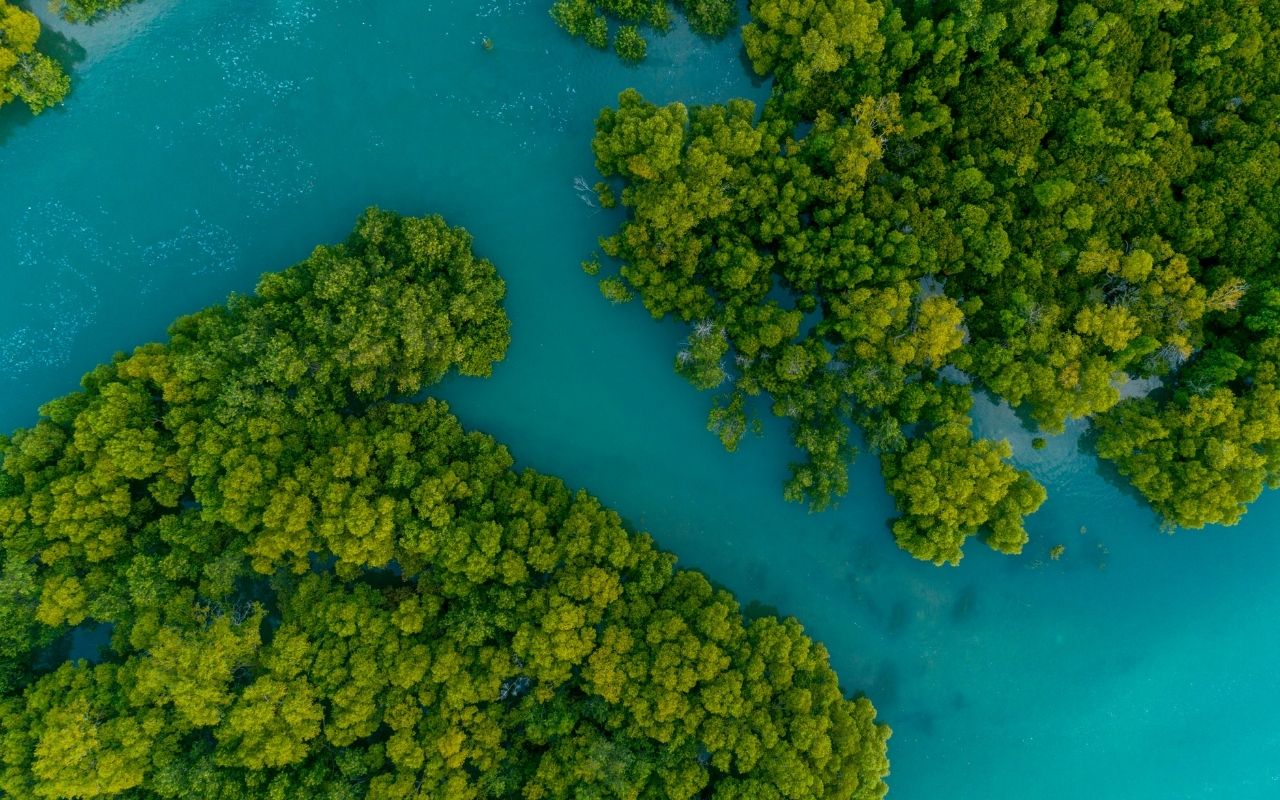
Among them, mangroves play a crucial role: they protect coastlines, shelter unique biodiversity, and support the livelihoods of local communities.
Maira Isabel Archbold Guarín is a member of the Raizal community, an Afro-Caribbean people native to the islands of Providencia, San Andrés and Santa Catalina. For the Raizales, mangroves are more than just an ecosystem: deeply connected to their Creole language, maritime traditions and spiritual relationship with nature, mangroves are a powerful marker of cultural identity.