
Raising More Questions Than Answers: Climate Change and Other Global Challenges of Decolonization
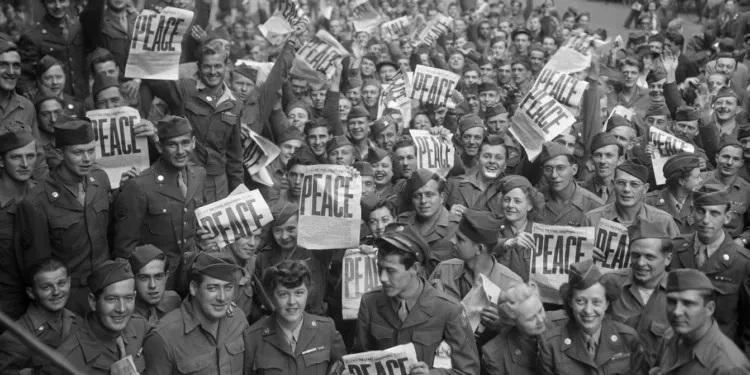
Excerpt and Photo from impakter.com
Decolonization, a relatively undramatic term, is generally used to describe what is, in fact, an exceedingly dramatic process, perhaps one of the most shocking changes in modern history, shifting the ground under millions of people and ending empires. It did nothing less than do away with the “old” global political system based on racial hierarchy forever.
(1) the abrupt ends of several intercontinental empires at the end of widely differing imperial histories. In the case of Spain and Portugal, it set the seal on an unevenly carried out history of imperial decline. France started to experience overseas defeats from 1763 to 1804. Britain’s decolonization may not have come as a surprise since it had gone through a long history of imperial experiments. The Dutch, on the other hand, had to wake up from their illusion of permanence. Even land-based empires, such as Imperial Russia, Ottoman Turkey, or the Habsburg Empire could not endlessly continue their dominion over geographically connected areas. The much more short-lived Japanese Empire collapsed during the Second World War. All of this shows that the world has been striving for centuries to undo the unequal power balance established by the imperial form.
(2) the irreversible discrediting of any political rule that the overall population experiences as subjection to a ruling class representing alien possessors.