
Sapporo, Japan Sets an Example for Sustainable Winter Tourism: How the Snow Festival is Fighting Climate Change with Renewable Energy
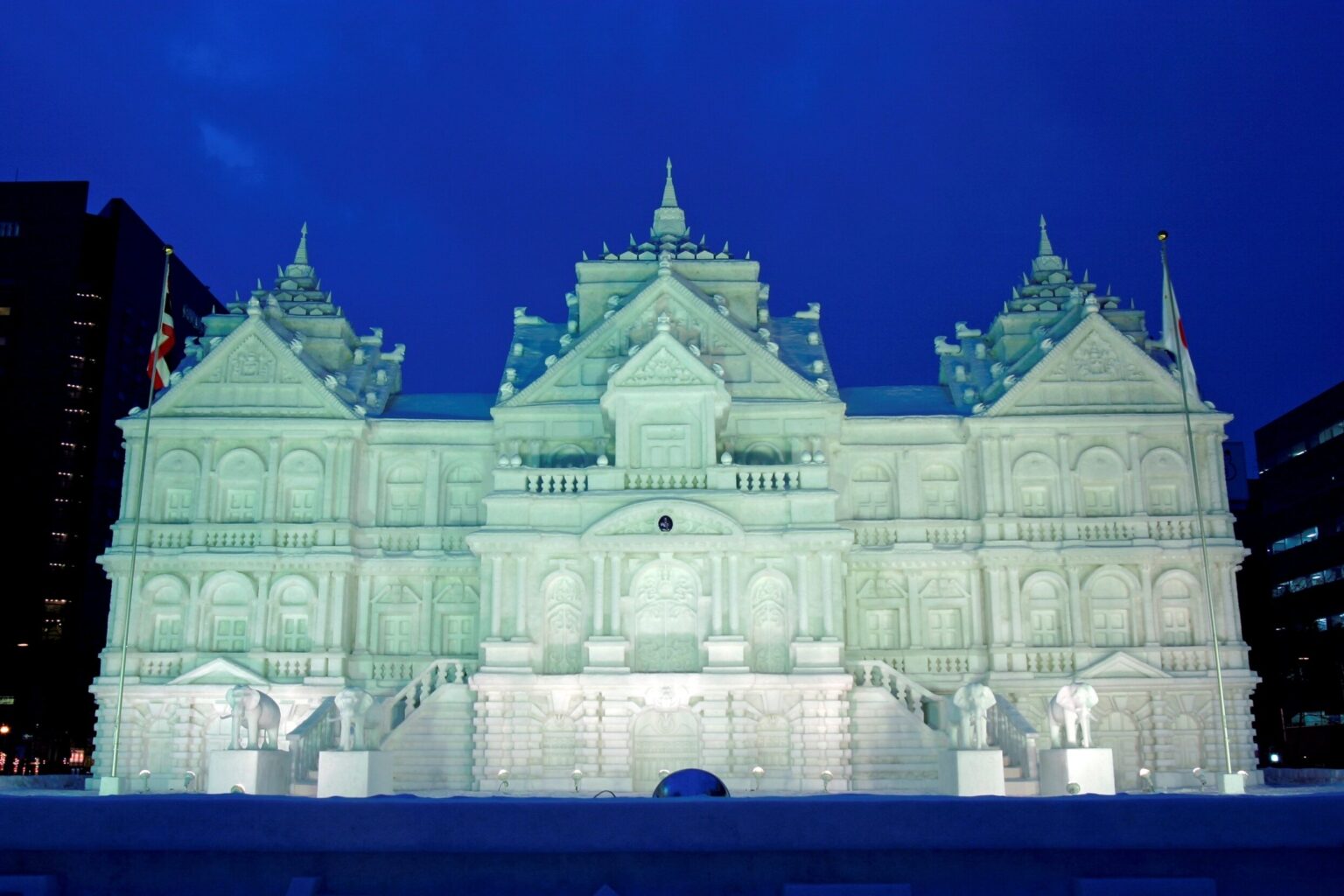
Excerpt and Photo from travelandtourworld.com
The Sapporo Snow Festival, one of the most famous winter events in the world, is set to return for its 75th edition from February 4 to 11, 2025, in Sapporo, Japan’s northern capital. Known for its massive and intricately designed snow sculptures, the festival attracts around 2 million visitors each year, making it a key tourism event not only for Japan but also for international travelers seeking a unique winter spectacle. However, recent years have presented significant challenges that could reshape the festival’s future, influencing both domestic and international tourism trends.
A Global Attraction Facing an Uncertain Future
The Sapporo Snow Festival has long been a staple of Hokkaido’s winter tourism, offering a mesmerizing landscape of ice and snow that draws travelers from all over the world. Tourists visit the city to admire over 200 snow sculptures, some reaching impressive heights of 12 meters or more. In addition to showcasing elaborate ice carvings, the event features light displays, winter-themed performances, and cultural exhibitions. The festival significantly contributes to Sapporo’s economy, hospitality industry, and local businesses, reinforcing its reputation as a premier winter travel destination.
However, organizers now face a combination of climate, financial, and staffing challenges that threaten to disrupt the festival’s sustainability. The increasing operating costs, declining sponsorships, and rising temperatures due to climate change have added complexity to maintaining this grand event.
The Impact of Climate Change on the Festival and Global Winter Tourism
One of the festival’s biggest concerns in recent years has been climate change. The global rise in temperatures has led to irregular snowfall patterns in Hokkaido, which makes collecting and maintaining the large amounts of snow needed for the sculptures more difficult. Organizers have noted that in previous years, the winter climate was much colder, ensuring stable ice structures. However, more frequent warmer spells, sometimes reaching 5-6°C, are now melting the sculptures prematurely, forcing organizers to rethink how they can preserve the snow structures for the festival’s duration.