
Excerpt from globalissues.org
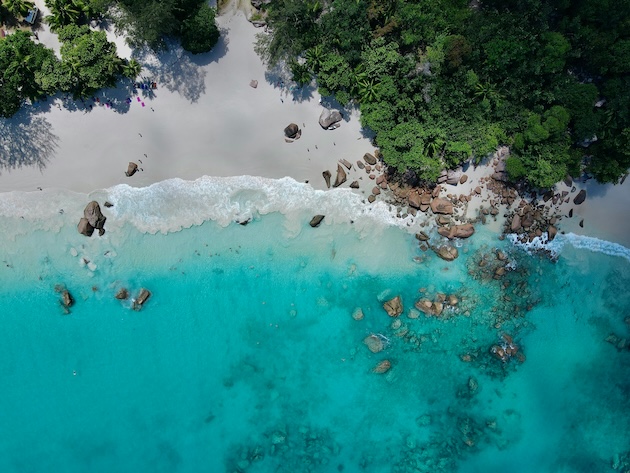
Photo credit: Michaela Rimakova / Unsplash via GlobalIssues.org
As the world prepares for the Global Environment Facility (GEF) meeting in Samarkand next month, Seychelles’ pioneering blue bond offers a compelling lesson in practical ocean finance.
For small island states, the ocean is not merely a natural resource; it is the foundation of national life, economic opportunity, and long-term resilience against climate threats.
As President of Seychelles, I introduced the blue economy as a national vision as early as 2008. I did so because I believed then—as I do now—that for an island nation spanning 1.4 million square kilometers of ocean, sustainable development must begin with responsible stewardship of our marine resources. Our future depended on learning how to protect biodiversity, manage fisheries sustainably, and build economic models that serve both present needs and future generations. This vision positioned Seychelles as an early advocate for integrating ocean health with national prosperity.
That vision was not developed in isolation. It was strengthened through deliberate steps and high-level conversations that bridged policy ambition with financial innovation. A key milestone came with the debt-for-nature swap, finalized with the Paris Club creditors and The Nature Conservancy in 2014. This landmark agreement restructured approximately US$21.6 million in debt, freeing resources for marine conservation and climate adaptation. It directly led to the creation of SeyCCAT, the Seychelles Conservation and Climate Adaptation Trust, which has since become a vital mechanism for channeling funds into ocean protection, sustainable fisheries, and resilience projects.