
Small island nations that are water-secure will be more resilient to climate change
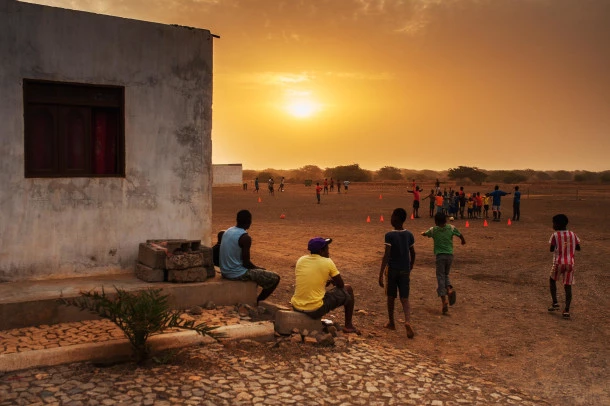
Photo: Jeff Wilson / FFI / Maio Biosphere Reserve. Retrieved from unesco.org
UNESCO is organizing a side-event at the United Nations 2023 Water Conference in New York to mobilize partnerships and strengthen existing collaboration with a view to making Small Island Developing States more water-secure and, thereby, more resilient to climate change.
One way to protect freshwater and coastal ecosystems is to restore mangrove forests. These serve as a natural buffer from cyclones and inland flooding from storm surges. Healthy mangrove forests not only protect coastal populations but also economic sectors such as agriculture and fisheries, industry and tourism. In Cuba, UNESCO is working with local scientists and community leaders to restore mangrove forests in the Guanahacabibes Peninsula Biosphere Reserve.
Farther inland, the restoration of forest ecosystems can serve as a buffer against flooding and landslides. In 1960, about 60% of Haitian territory was covered by forest. By 2011, this proportion had shrunk to 3.5%. Since about half of the country is hilly, this deforestation has led to severe erosion. Without trees and shrubs to retain moisture, rainwater carries off precious topsoil and can easily destabilize the soils, leading to landslides. The growing frequency and strength of hurricanes and tropical storms is making both flooding and landslides more common in Haiti. Since 2018, UNESCO’s Man and the Biosphere Programme has worked with local communities and school children in La Selle Biosphere Reserve and beyond to reforest the bare hills. Over 290,000 seedlings have been planted, including avocado, coffee and tamarind.
UNESCO is working with the local management committee and scientific community in Maio Biosphere Reserve in Cabo Verde to establish an ecohydrology demonstration site. A biosphere reserve since 2020, Maio encompasses an entire island and marine zone. Tourists flock to the biosphere reserve for its gorgeous beaches and rich cultural and historical heritage. However, the growing tourist industry is straining limited freshwater resources, as Maio is one of the most arid islands in Cabo Verde. The ecohydrology demonstration site will foster an integrated approach to coordinating and managing the island’s freshwater, land and rich biodiversity to achieve long-term sustainability. The site will also provide opportunities for researchers, trainees and other stakeholders to acquire scientific knowledge of ecohydrological principles and strategies.
UNESCO is also providing SIDS with policy advice on how to ensure that the population has access to safe drinking water and adequate sanitation. These were recognized by the United Nations in 2015 as being basic human rights. In 2018, UNESCO organized a Consultation Meeting on Water Quality in Nadi, Fiji, which brought together 12 SIDS from the Pacific, as well as a number of international and regional organizations