
Study finds that Pacific Island communities could manage water better with sex-disaggregated data
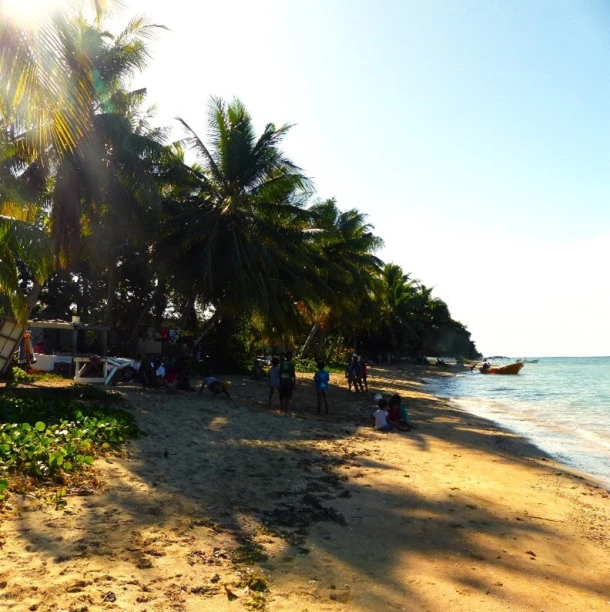
Photo: Malolo Island in Fiji. © Laura Imburgia/UNESCO WWAP. Retrieved from unesco.org
The study consisted of a two-day workshop in Nadi, followed by the collection of field data on Malolo Island in west Fiji. The island covers 20 km2 and has a population of just over 3 000. As there are no rivers, the population is entirely reliant on rainfall and a limited amount of groundwater for its water supply. The water supply is, thus, subject to seasonal scarcity.
From 12 to 16 July, the group of professionals conducted a household survey in the villages of Solevu and Yaro. The survey collected sex-disaggregated data on water access, gender roles in water management and how villagers perceived and coped with climate variability and change. The team also interviewed village leaders, nurses and members of the village water committees.
Although all of the villagers interviewed recognized the impact of climate variation and extremes on water availability, they found it difficult to associate some consequences of climate variability to normal weather patterns or climate change.
The surveyors were particularly interested in rainwater harvesting practices. The survey revealed just how reliant the villagers were on rainwater for drinking purposes, in particular. They also relied on groundwater for bathing, laundry and cleaning, among other uses. In both villages, there was a good distribution of tanks to collect rainwater but they were in need of maintenance and renovation. Often, villagers lacked the requisite skills to undertake minor repairs.