
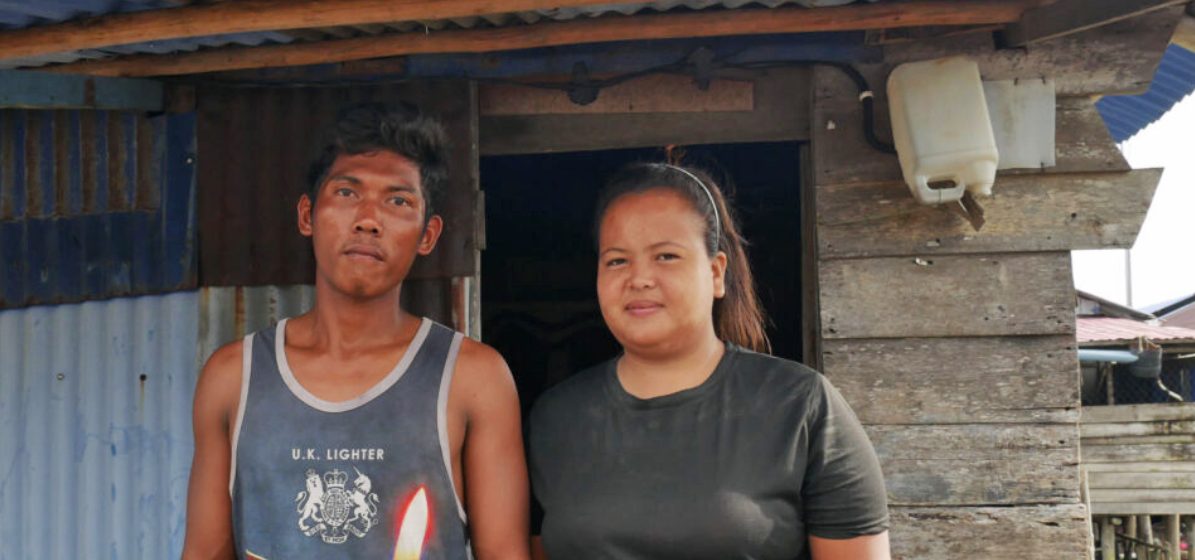
Photo retrieved from news.mongabay.com
For generations, the seafaring Duano Indigenous community in Indonesia’s Riau province has relied on paddles and basic nets for their livelihood, launching small boats into healthy fishing grounds off the eastern coast of Sumatra.
In the past, a single Duano canoeist could haul 80 kilograms (176 pounds) of fish to shore every day, explained Samsuri, a fish trader who belongs to one of 33 families of the Duano community here in Kuala Selat village.
On a recent fishing expedition, he said, what remains of Kuala Selat’s artisanal fleet managed to collect only 60 kilograms (132 pounds) between them.
“Today we can’t be sure; it’s unpredictable,” Samsuri said as a few fishers arrived at his home with plastic boxes of fresh fish. “It keeps on going down.”
Years of environmental stress compounded by inflationary pressures mean this traditional way of life survives among just a handful of Duano families today. Few hold much hope it can continue for much longer.
Instead, many here now rely on poorly paid day labor to make ends meet. Young people are increasingly crewing long shifts at sea on larger fishing vessels or taking casual work hauling aggregates on land.
Like many here in Kuala Selat, Samsuri links the deterioration of the community’s economic position with the dearth of mangroves separating the land from sea.