
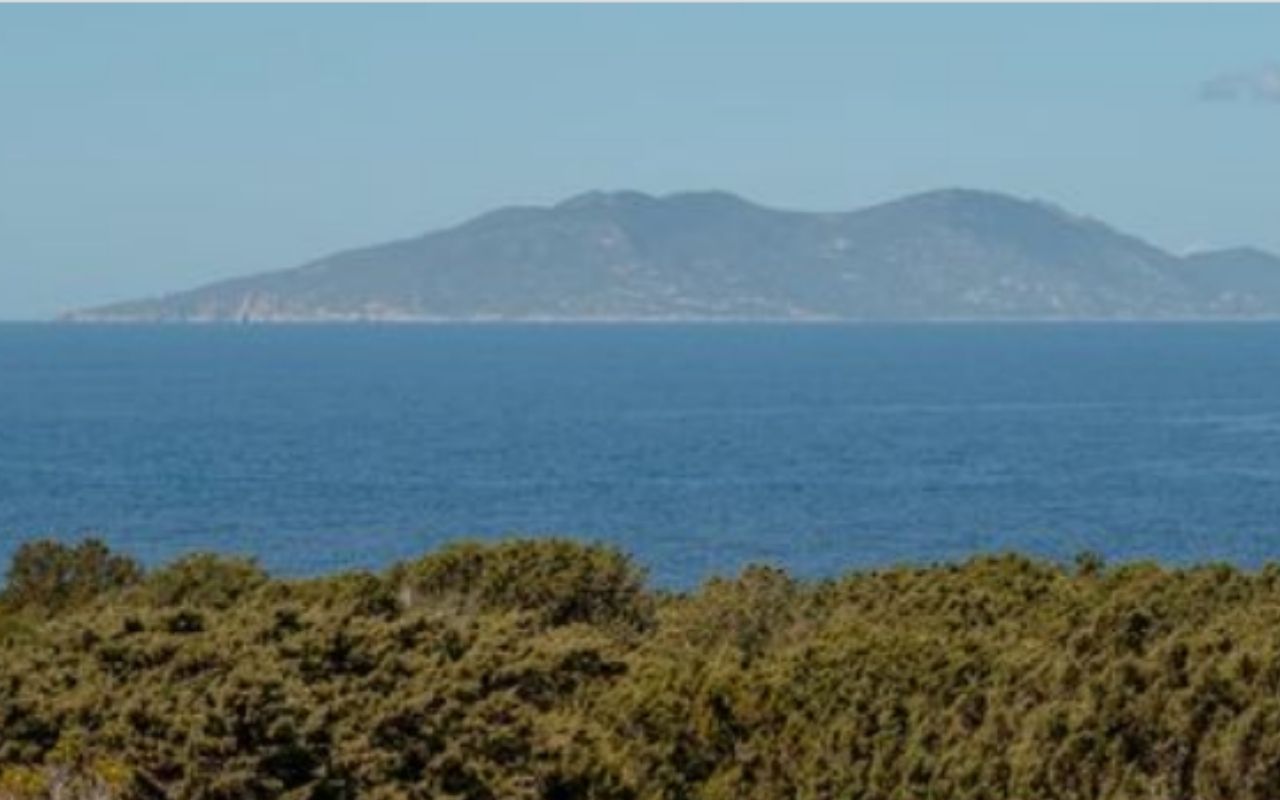
Photo credit: Giuseppe Nucci / The Guardian Excerpt from theguardian.com
Off the coast of Tuscany is a tiny island in the shape of a crescent moon. An hour from mainland Italy, Giannutri has just two beaches for boats to dock. In summer, hundreds of tourists flock there, hiking to the red and white lighthouse on its southern tip before diving into the clear waters. In winter, its population dwindles to 10. The island’s rocky ridges are coated with thickets of rosemary and juniper, and in warmer months the air is sweetened by flowers and the gentle hum of bees.
“Residents are people who like fishing, or being alone, or who have retired. Everyone has their story,” says Leonardo Dapporto, associate professor at the University of Florence.
It was Giannutri’s isolation that drew scientists here. They were seeking a unique open-air laboratory to answer a question that has long intrigued ecologists: could honeybees be causing their wild bee cousins to decline?
To answer this, they carried out a radical experiment. While Giannutri is too far from the mainland for honeybees to fly to it, 18 hives were set up on the island in 2018: a relatively contained, recently established population. Researchers got permission to shut the hives down, effectively removing most honeybees from the island.