
UNESCO promotes sustainable tourism and heritage conservation in Socotra Archipelago
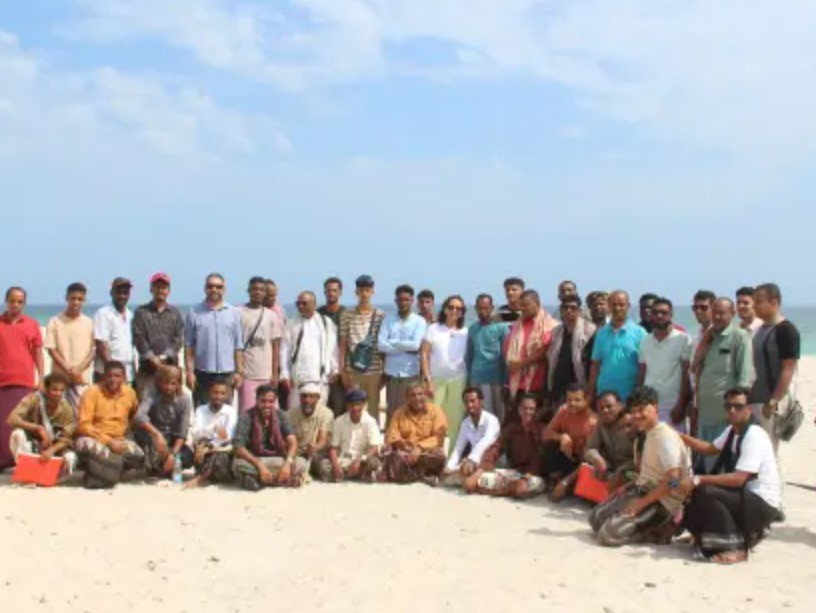
Excerpt and photo from unesco.org
UNESCO, in collaboration with the Arab Regional Center for World Heritage (ARC-WH) and the UNESCO Chair for World Heritage and Sustainable Tourism Management in the Arab Region (UNESCO Chair GUTech), successfully concluded a five-day training program in the Socotra Archipelago from September 25-29, 2024.
The program gathered 45 participants from various stakeholders within the tourism industry to equip local tour guides and relevant authorities with the knowledge and skills necessary to support conservation efforts, enhance visitor experiences, and build partnerships with local communities.
The Socotra Archipelago, renowned for its rich biodiversity, is home to many endemic species. Socotra Island, the largest in the Arabian Peninsula, symbolizes the region’s natural heritage. Protected by Yemeni law through the Socotra Conservation Zoning Plan, the Archipelago has earned international recognition for its exceptional natural value. It was designated a UNESCO Man and Biosphere (MAB) Reserve in 2003, Yemen’s first Ramsar Site in 2007, and a UNESCO World Heritage Site in 2008.
Despite its natural beauty, Socotra faces significant challenges, such as environmental degradation, socio-political unrest, and the impacts of climate change. The ongoing conflict in Yemen further underscores the urgent need to safeguard Socotra’s heritage and promote sustainable development. The island’s inhabitants, deeply connected to their environment, rely on traditional practices such as dragon’s blood extraction and Socotri music, both integral to their cultural identity. Local civil society organizations (CSOs) play a crucial role in conservation efforts, despite limited resources and capacity.