
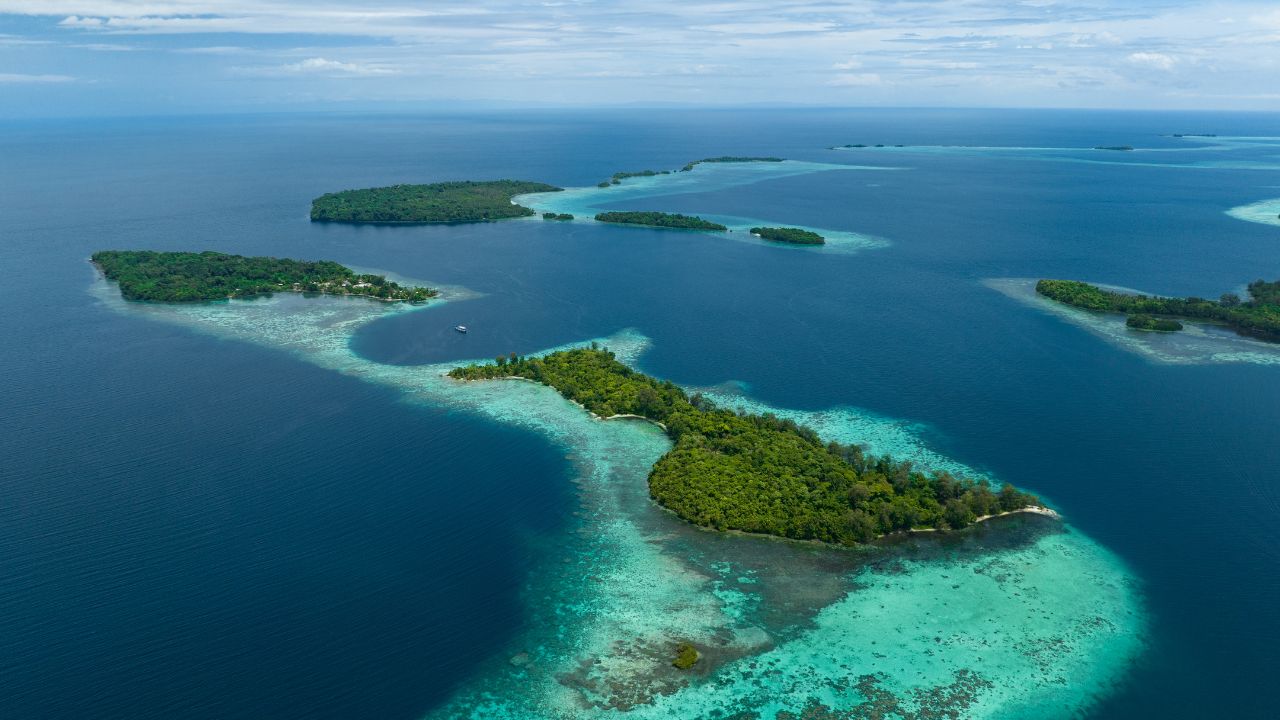
The Least Developed Countries Fund (LDCF) has approved USD 8.9 million in grant funding for an FAO-led initiative to strengthen food security and climate resilience in the Solomon Islands.
With rising sea levels, extreme weather events, and a large rural population dependent on agriculture and fisheries for livelihoods and food, the Solomon Islands is among the world’s most climate-vulnerable nations.
Bolstered by over USD 29 million in co-financing, the Resilient Rural Economic Growth and Food Security project aims to transform how food is grown, accessed, and sustained in the Solomons – promoting sustainable agricultural practices, enhancing national policies, strengthening local governance, and improving availability and access to climate information.
GEF CEO and Chairperson Carlos Manuel Rodríguez said that the project was a powerful example of how locally led action can turn environmental challenges into opportunities for transformation.
“By combining scientific knowledge with traditional practices and anticipating future environmental risks, this collaboration with the Government of Solomon Islands will equip communities to adapt not only their crops and coastlines, but their entire way of life,” Rodríguez said. “This is adaptation action that is inclusive, anticipatory, and deeply rooted in local leadership.”
The project will improve the management of more than 36 000 hectares of land and coastal areas for climate resilience, train more than 60 000 people, and directly benefit more than 75 000 people. The project targets five provinces – Malaita, Guadalcanal, Choiseul, Temotu, and Rennel/Bellona – that underpin national food security, face heightened climate change hazards, and hold high potential as models for scalable, community-led adaptation. Malaita and Guadalcanal provinces are key agricultural hubs with high exposure to climate-induced crop losses. Choiseul, Temotu, and Rennell/Bellona are remote provinces with limited market access and infrastructure, where communities are highly dependent on natural resources and traditional food systems.