
Why Emancipation Day In The Caribbean Is Important To The Global Black Liberation Struggle
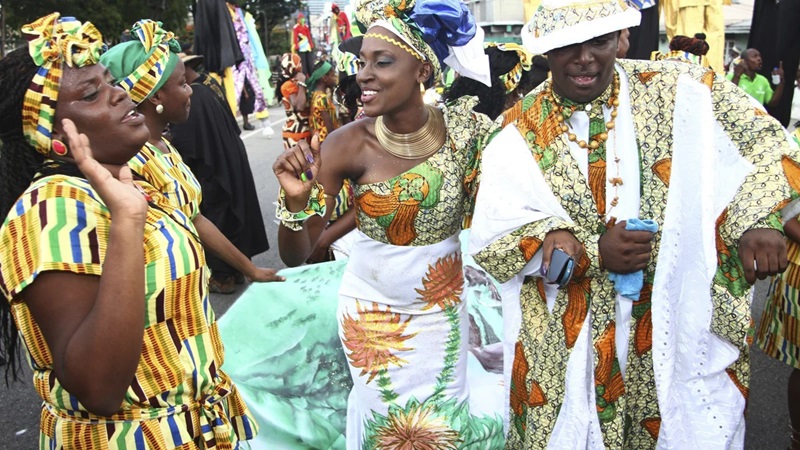
Photo: SEAN DRAKES. Retrieved from essence.com
The start of August marks one of the most significant events in Caribbean history. Anglophone or English-speaking countries across the Caribbean commemorate the end of centuries of oppression. August 1, 1834, marked the abolition of chattel slavery in the former British Empire. Many consider the date to be the “birth of the Caribbean,” which is usually celebrated on the 1st of the month.
Emancipation Day was first established after the British Parliament passed the Slave Emancipation Act in 1833, “banning its policy of enslaving and transporting Africans across the Atlantic Ocean to the Caribbean islands.” Today, this historic moment is commemorated in Britain’s former colonies in the Caribbean and Canada.
More than two million enslaved people toiled on sugar plantations in Britain’s colonies in the Caribbean during the slave trade. Over time, enslaved Africans began pushing back against the atrocities of slavery through massive revolts, including Bussa’sRebellion in Barbados, Fedeon’s Rebellion in Grenada and The Berbice Slave Rebellion in Guyana.