
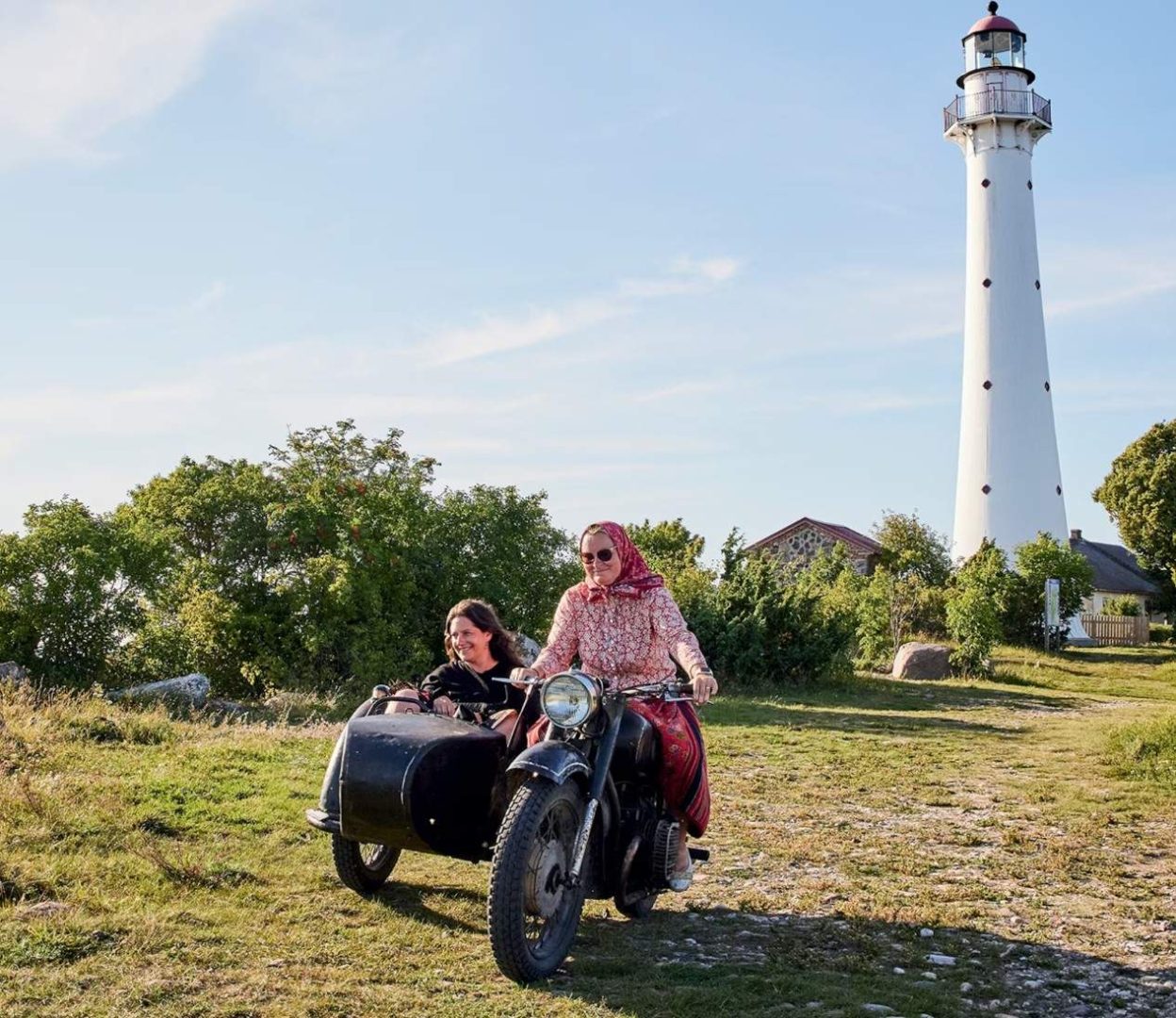
Photograph by Simon Bajada. Retrieved from nationalgeographic.com
In western Estonia, drama unfolds not in the landscapes, but in the stories that bubble beneath their surface. My first inkling of this comes when I board a car ferry called Toll the Great, bound for the island of Muhu. The modest strip of land I find myself gliding towards is so flat and featureless it looks like it’s been ironed onto the water, whereas the tale of Toll — mythical strongman, sauna master and hero of Saaremaa, an island connected to Muhu by bridge — has all the theatrics of a rollercoaster epic. I imagine Toll towering in his farmer’s garb, muscles bulging, as he rushes through the waves to help embattled sailors in stormy weather. Or wielding an iron axe as he single-handedly fends off encroaching armies and foreign bullies.
Armed with Toll’s legends — which are pasted onto the wall of the boat like everyday adverts — I drive off the ferry gangplank an hour later ready for adventure. With five days in front of me, my plan is to island-hop, dropping anchor in Muhu, Saaremaa, Abruka and Kihnu to explore the unique cultures and common histories of their communities.
It’s peak summer, but you wouldn’t know it as the car slips down Muhu’s empty, spruce-lined roads. Chalk driveways corkscrew off towards isolated thatched-roof cottages and wooden farmhouses encircled by moss-covered dry-stone walls typical of the islands. It’s as still as a watercolour. When I arrive at Muhu Veinitalu for lunch, I have it almost to myself — and owner Peke Eloranta is happy to show me around his vine-bordered passion project. Wearing a faded blue blazer and a stained, torn cowboy hat, he pours me a glass of his sparkling rosé and proudly introduces Veinitalu as a B&B and restaurant but, most importantly, the only winery in Estonia — and, he believes, the most northerly in the world.