Women, Indigenous Communities Must Lead Climate Finance Allocations at COP29—Plan International Global Director
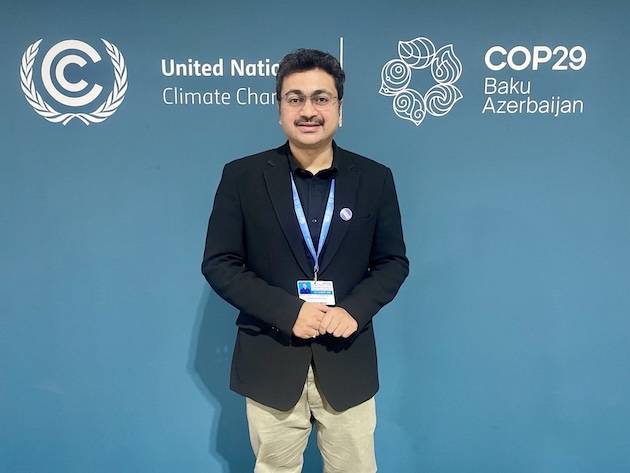
Photo credit: Umar Manzoor Shah. Retrieved from ipsnews.net
Plan International, a global leader in advocating for children’s rights and gender equality, sees the need for women and Indigenous people to be at the forefront of climate negotiations.
Founded in 1937 during the Spanish Civil War, Plan International has spent over eight decades working to improve the lives of children in some of the world’s most underprivileged regions. While its initial focus was on broader child welfare, the organization has, over the last ten years, shifted its attention toward empowering girls, particularly those from disadvantaged backgrounds. This strategic pivot has an understanding that girls often face compounded barriers to education, health, and economic opportunities, especially in remote and conflict-prone areas.
Today, Plan International, says Soumya Guha, the Global Director of Programs, operates in 52 countries, supported by fundraising activities across 22 locations. Its programs target the most marginalized communities, focusing on holistic, long-term development alongside emergency humanitarian responses. This dual approach has allowed the organization to integrate its development goals with pressing needs, such as disaster resilience and conflict mitigation.
“We believe the first five years of a child’s life are critical in shaping their future,” Guha said. The organization’s “I Am Ready” program, implemented in countries like Laos, Tanzania, and Cambodia, addresses linguistic and social barriers faced by children from marginalized groups. By offering a ten-week intensive program that prepares children for primary school in their local language, the initiative has led to a remarkable 37 percent improvement in school attendance and retention rates.