
‘You don’t get to aim big when you are somewhere small’: A teenager’s fight to end single use plastics on her Scottish island
Excerpt from theguardian.com
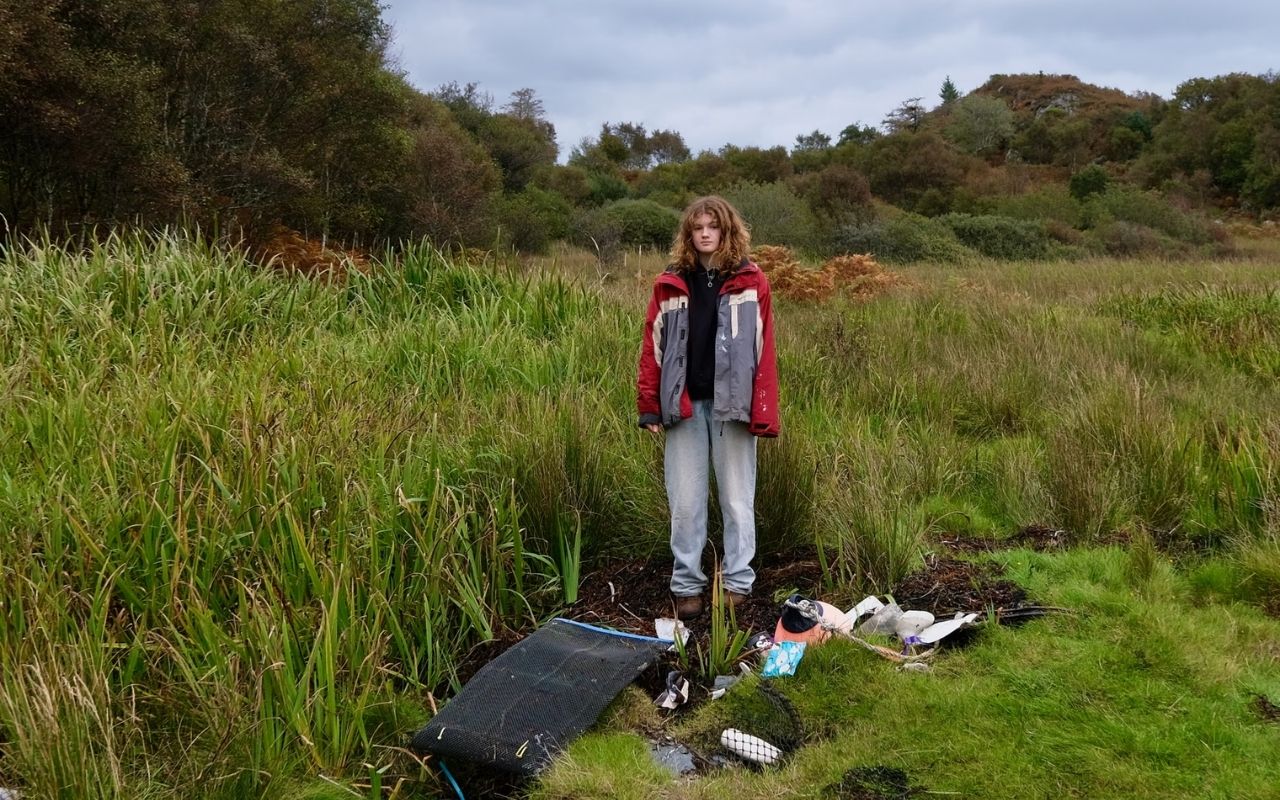
Tabby Fletcher, a 17-year-old from the Isle of Jura, off the west coast of Scotland, lives in what many people would probably assume is a pristine wilderness. Yet she regularly sees dead birds, their bodies entangled in plastic, among piles of waste washed up on the island’s beaches after powerful storms.
“In January, we had Storm Éowyn,” she says. “Huge storm surges brought piles of plastic on to the beach close to my house. I saw dead birds wrapped in plastic. It was obvious from little bits inside their decomposing bodies they had eaten plastic.
A stag with big orange and red plastic hanging off its antlers as two men hold the animal down View image in fullscreen Islanders untangling fishing floats from a stag’s antlers on Jura. Photograph: Tabby Fletcher “There was a dead goat too – its head stuck in a plastic fishing net. It’s really horrible.”
She decided to start a petition calling on the Scottish government to ban all single-use plastics. This has now received more than 26,000 signatures and the backing of MSPs in the Highlands and Islands.
“Around 50% of the plastic we use in the UK is single use, and by cutting these items out it creates a more sustainable footprint in the natural world,” she says.
She describes images she has seen of red deer, which feed on seaweed, entangled in washed-up fishing nets.
“If they are left to their own devices, they can starve to death. There are fibres of plastic that come off the netting too,” she says.
Plastic endangers seabirds, seals and other wildlife through ingestion, entanglement and toxic contamination, while microplastics – tiny particles from broken-down plastic – pose a long-term threat to wildlife and human health. It can contain any of more than 16,000 chemicals, many of them linked to health issues.
The teenager says that although her community organises beach clean-ups, plastic pollution is a growing problem that will only worsen unless action is taken nationally.