
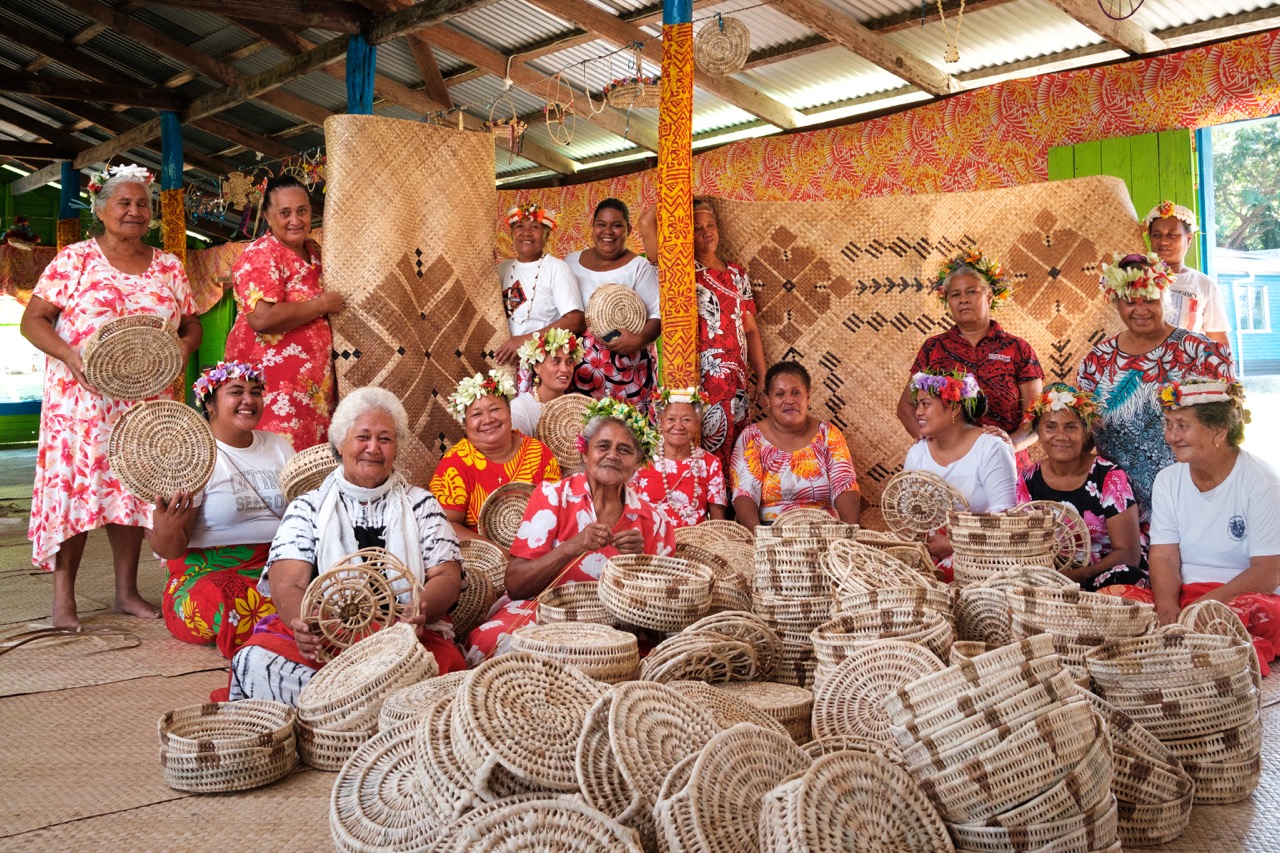
Across Fiji’s islands, the ocean is both a source of life and a force that continually reshapes it. Cyclones arrive with little warning. Shorelines shift. Crops fail after saltwater floods the soil. Yet in many villages, resilience begins quietly - in homes where women sit together weaving pandanus leaves into mats and baskets, sharing stories as their hands move with practised rhythm.
It was here that I first heard about Rise Beyond the Reef.
The initiative works with women in some of Fiji’s most remote communities, helping them build sustainable livelihoods through traditional handicrafts while also strengthening their capacity to respond to climate challenges. What might appear at first as a simple weaving collective is, in reality, a network of resilience stretching across the archipelago.
In rural Fiji, women often carry the invisible weight of environmental change. When storms damage homes, when fishing becomes harder, and when crops fail, they are the ones finding ways to keep families afloat. Yet despite this central role in community life, women in remote villages have often had limited access to economic opportunities or financial support.
Rise Beyond the Reef was created to change that.
By connecting rural women with training, resources, and access to global markets, the organisation helps transform traditional skills into sustainable livelihoods. Through its network of artisans and cooperatives, woven mats, baskets, and other handicrafts now travel far beyond the islands where they were made - connecting remote communities to a global audience that values both the artistry and the story behind them.
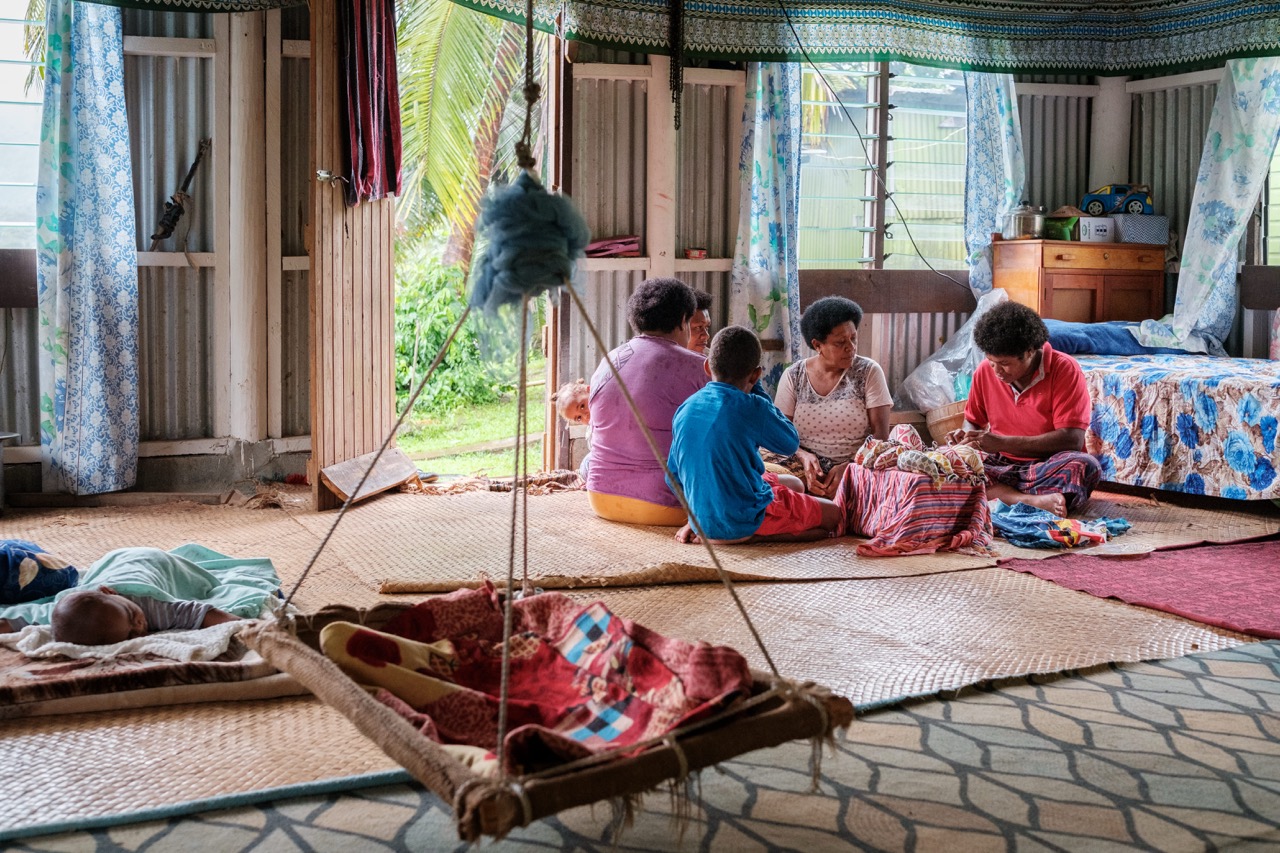
As one representative from the organisation explained:
“Indigenous knowledge and cultures hold the wisdom needed for our collective future. Our responsibility is not to lead, but to listen - following the needs, strengths, and direction of communities themselves so we can stand as authentic partners in this work.”
But the work goes beyond income.
Rise Beyond the Reef also supports programs focused on climate resilience, disaster preparedness, and community leadership. Across Fiji, the organisation has partnered with over a thousand women across dozens of rural communities, helping artisans strengthen both their economic independence and their capacity to respond to environmental challenges.
These efforts have created ripple effects that reach far beyond individual households. When women gain financial stability, entire communities benefit - from improved access to education for children to stronger preparedness for future climate shocks.
Temalesi, Ra District Coordinator, reflected on this broader impact:
“We lost everything in the cyclone. I never thought that the knowledge we have from within, our traditional knowledge of crafting, is what would help us to recover.”
As I listened to stories of these programs, I was struck by how much of island resilience happens out of sight of the world’s headlines. International discussions on climate change often focus on rising seas and vulnerable coastlines. Yet the real story of adaptation is unfolding in village halls, under palm-thatched roofs, and in the collective knowledge passed down through generations.
In Fiji, the phrase “beyond the reef” takes on a quiet symbolism. For generations, the reef has marked both protection and livelihood - a boundary between village life and the open ocean. Today, initiatives like Rise Beyond the Reef are helping communities extend their reach beyond that boundary, connecting tradition with opportunity and local knowledge with global networks.
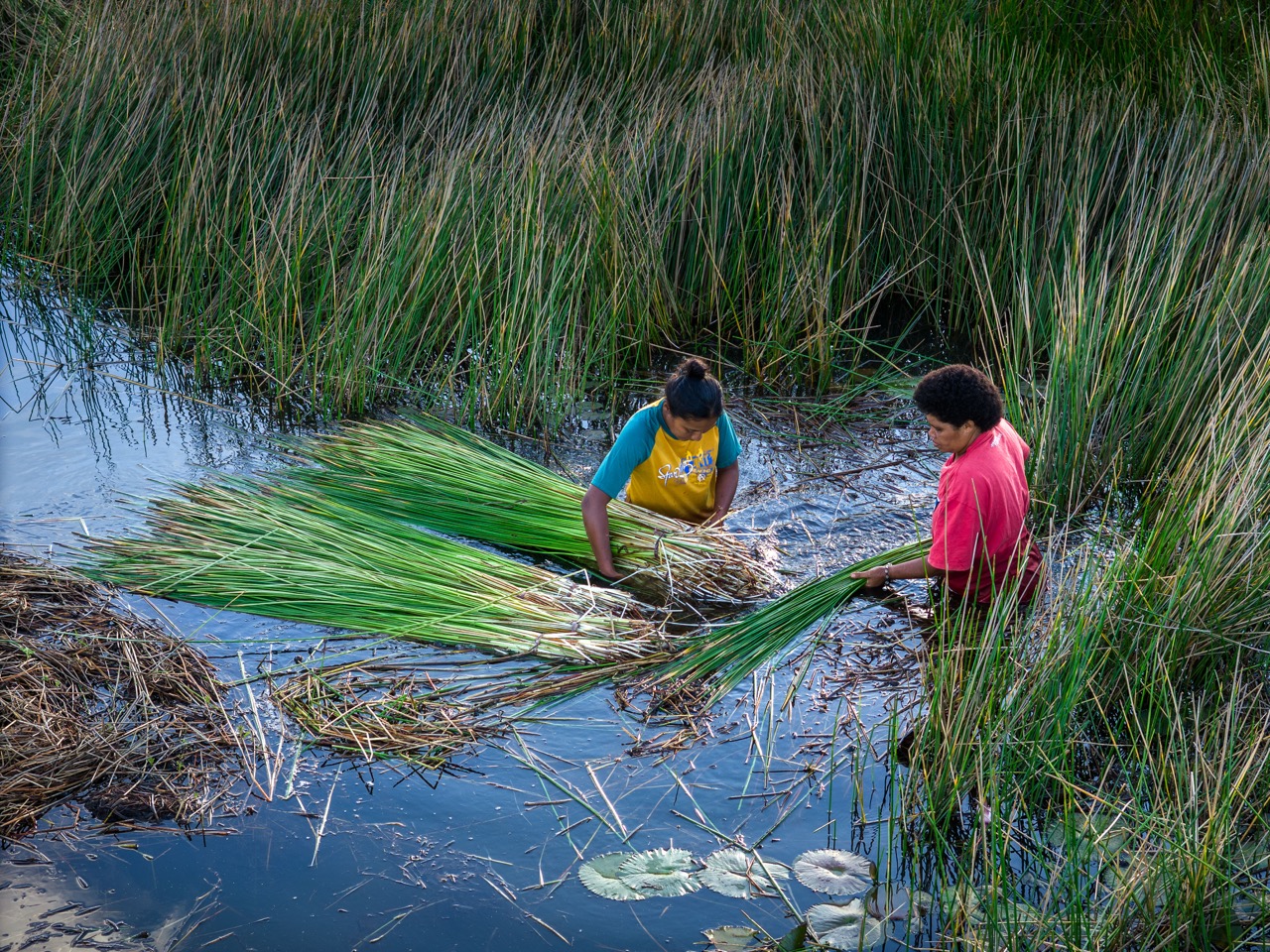
Looking ahead, the organisation hopes to expand its work across even more remote communities while building partnerships with ethical brands and international organisations that support sustainable livelihoods.
Watching the women weave, it becomes clear that resilience is not always loud or dramatic. Sometimes it is patient. Rhythmic. Passed from one pair of hands to another. Across the world’s islands, strength often begins in these moments - in communities that refuse to let their traditions fade and instead transform them into tools for the future.
And in Fiji, that future is being woven, strand by strand, by women rising beyond the reef.