How Matemwe is Building a Future Where People and Nature Thrive
The Islands We Carry: Matemwe, Zanzibar, Tanzania
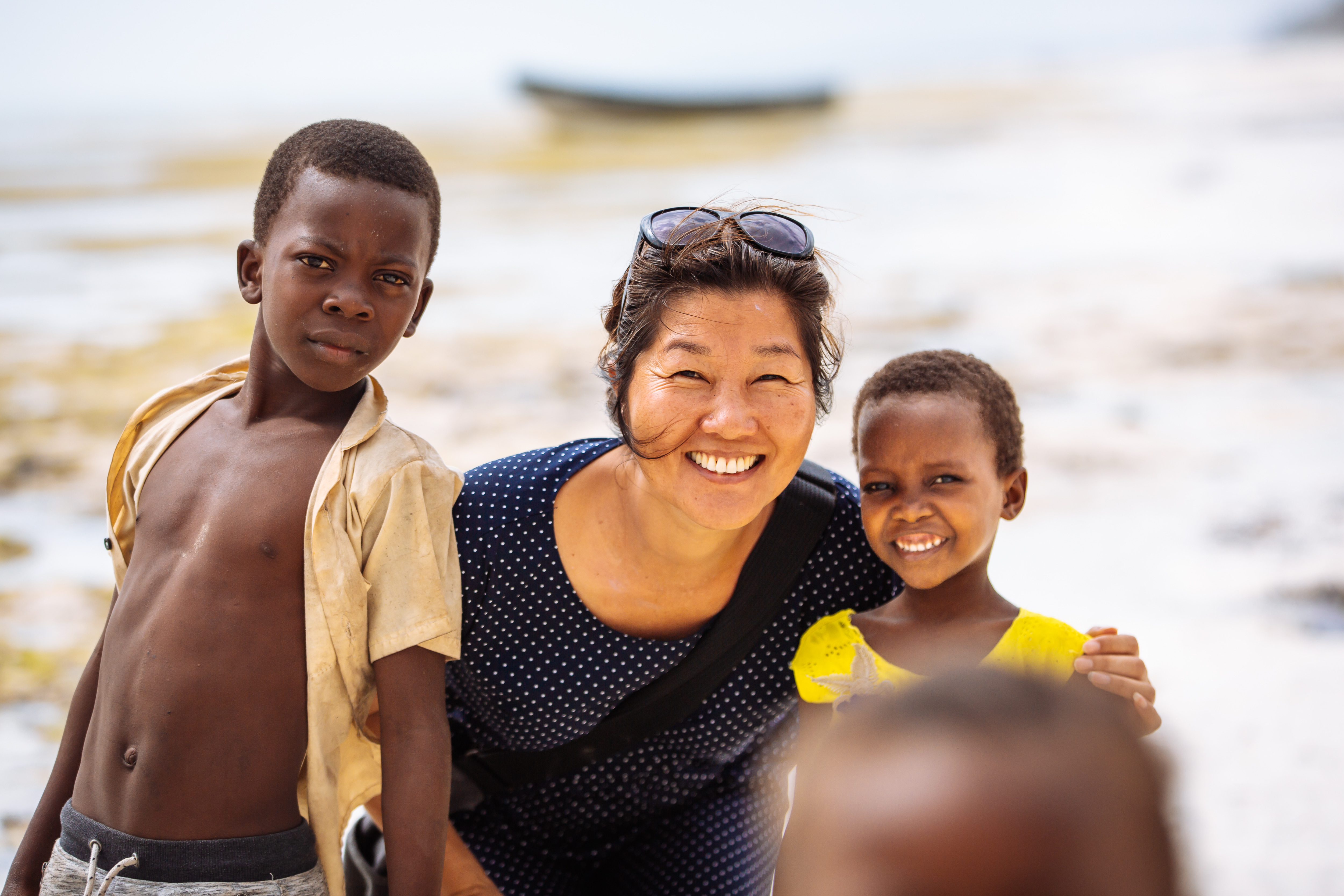
In her first years diving off Matemwe, on the north-east coast of Zanzibar, Yong Mi could count twenty to forty turtles in a single day. Green turtles and hawksbills over healthy coral, sharks, rays, schools of fish thick enough to dim the light.
Fifteen years later, she was seeing one turtle a month.
Yong Mi had arrived as a dive instructor and stayed because of what was under the surface. By the time she was ready to go back to Europe, the thing she had stayed for was gone. Most people would have left with the memory. She stayed to find out what was going on.
When survival looks like harm
She needed to understand what had happened, but she knew the answers wouldn't come from a report written somewhere else. They would come from the people who had lived with the ocean every day.
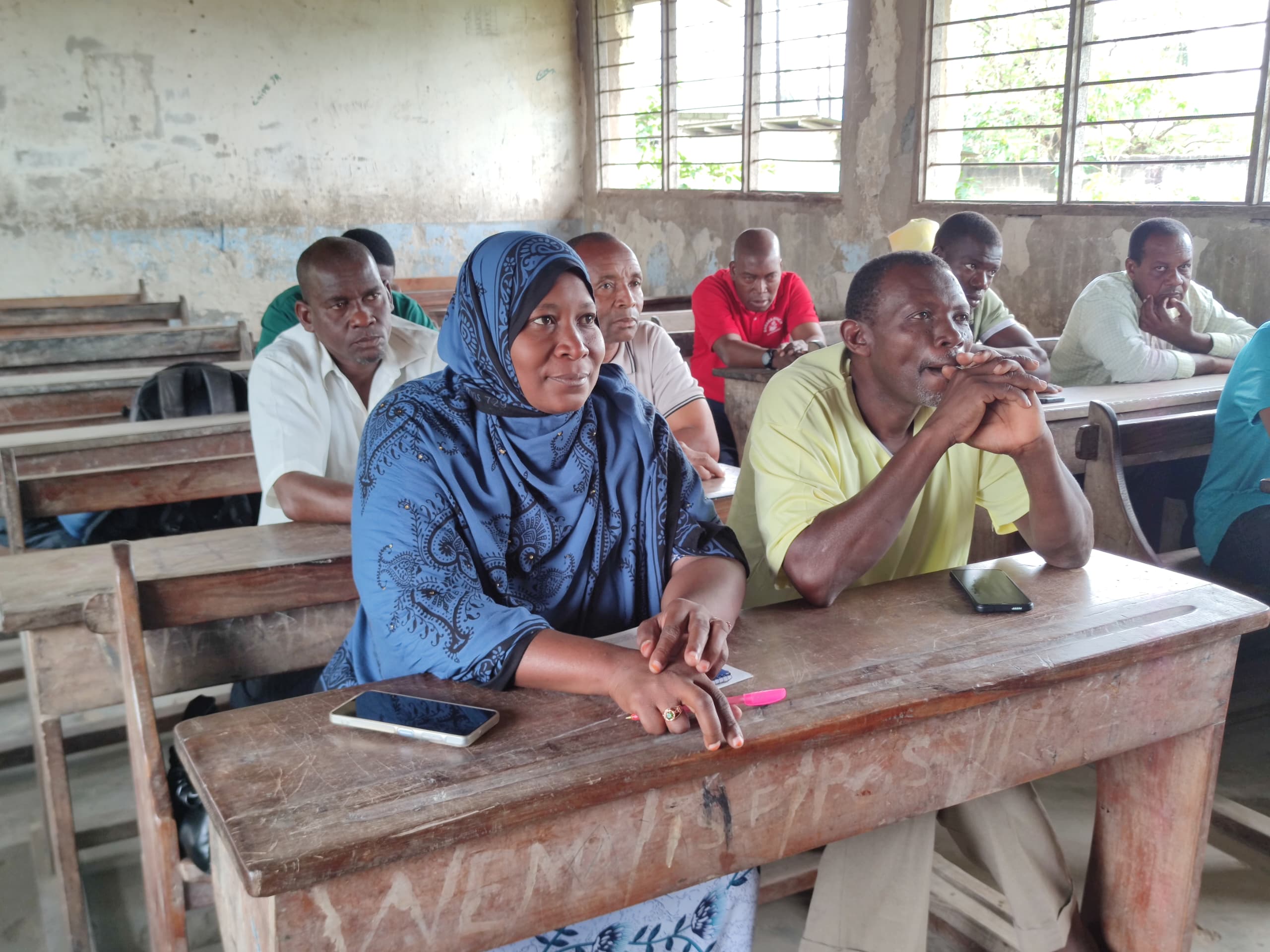
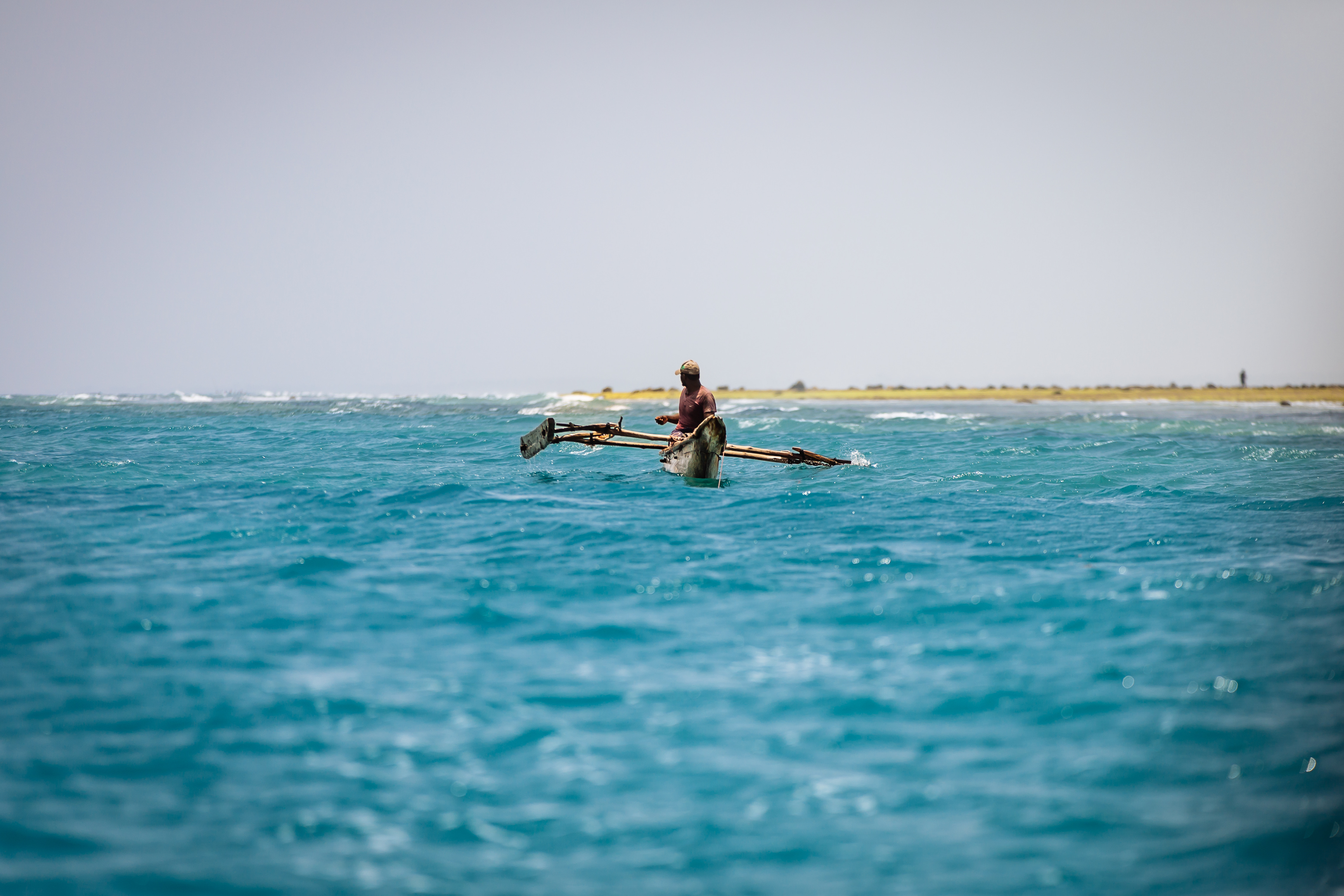
So she walked into six villages and asked the fishermen what they had been catching fifteen years earlier, what they were catching now, and what had changed.
Their answers reflected what she had already seen beneath the surface. The fish had declined. But the fishermen were not surprised by her questions; they were asking the same thing themselves: what had happened to the ocean they depended on?
And the more Yong Mi listened, the clearer it became that the changes were not limited to the fish the fishermen brought home. Across the villages, the pressure on marine life was becoming visible in other ways too.
She began hearing about turtles. They were being taken for meat, and eggs were still collected from the beach at night. The community knew the turtles were disappearing, but in villages where many families depended on the sea for food and income, a turtle was not only a symbol of conservation. It was also a source of survival.
The laws protecting these animals - both Tanzanian and international - were clear. But a law alone could not solve a problem where protecting the ocean and feeding a family had become competing choices. The alternative to a turtle was an empty plate.
This is where the story turns, and where everything Under The Wave has built since takes its shape. Yong Mi didn’t go to enforcement. She went back to the village heads, sat down, and talked about marine life. About turtle biology. About what happens to a reef when the animals that maintain it stop showing up.
They listened. Not all of them, and not quickly. But enough.
The people taking the turtles were never going to be the problem she solved. They were the people who would have to solve it.
Buying time
The first project was the obvious one. Along with the marine biologist Laura-Cécile Rosset, who runs the dive centre at Matemwe, Yong Mi registered Under The Wave in Zanzibar in 2020 and began relocating turtle nests.
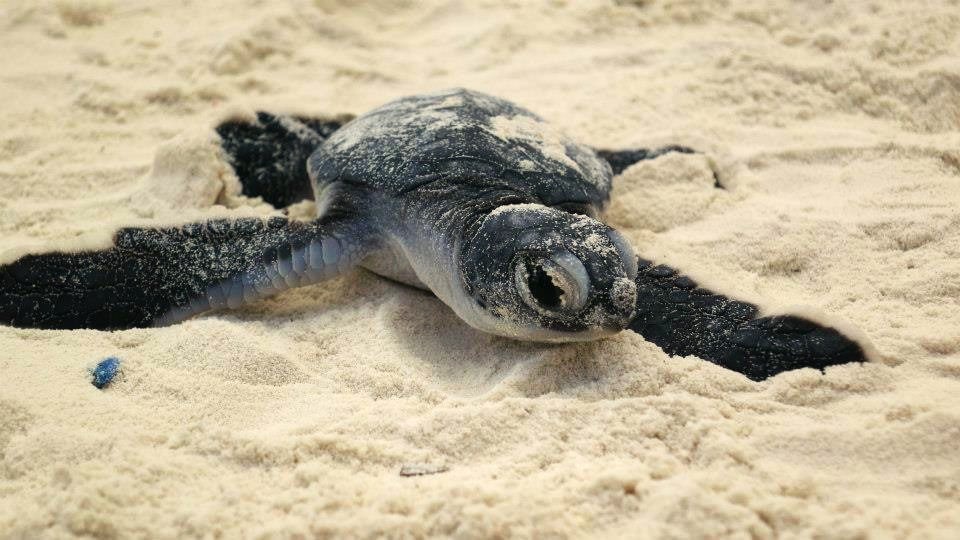
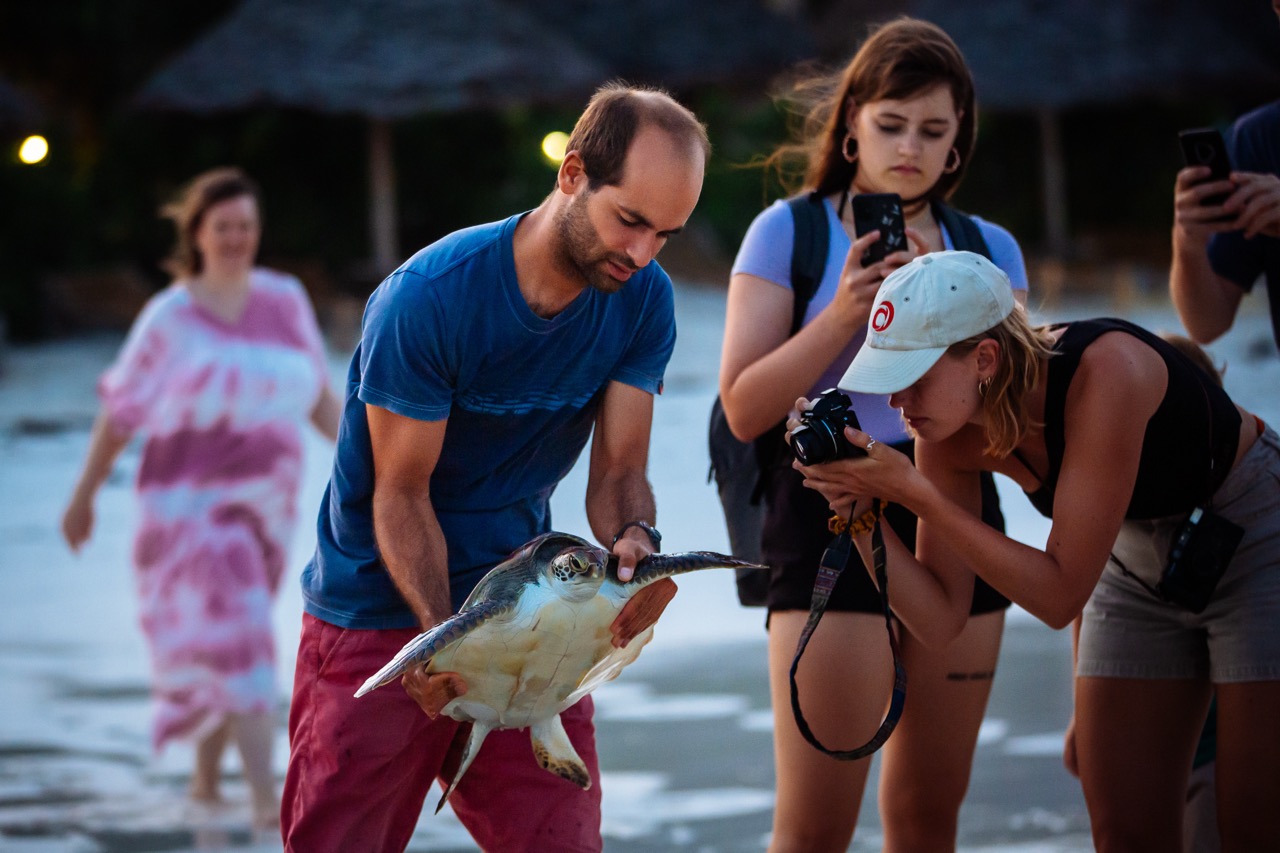
The method is straightforward. Nests are found on the beach and moved to a secure site beyond the reach of poachers and predators. Around fifty days later, the eggs hatch, and the hatchlings make their way to the sea with as little handling as possible. The nesting season typically runs from January to May, although the number of nests varies considerably from year to year and has unfortunately been declining. During the season, the team carefully relocates each nest they find, giving hundreds of hatchlings a chance to reach the ocean that they might otherwise never have had. Alongside the hatchery, the team began photographing individual turtles on the reef, building a record that allows the local population to be monitored rather than simply mourned.
The nesting centre is managed by Collins, a Tanzanian marine biologist who oversees the day-to-day conservation work. While wider community involvement in turtle protection is still developing, Under The Wave brings students from its environmental education centre to the hatchery each year, using it as a living classroom to teach the next generation about marine conservation and the importance of protecting endangered species.
Even so, Yong Mi had bought those animals around fifty days of safety, just enough time for them to hatch. She hadn't addressed the reason the nests needed guarding in the first place.
Teaching people to see what was already there
The initiative started with thirty children.
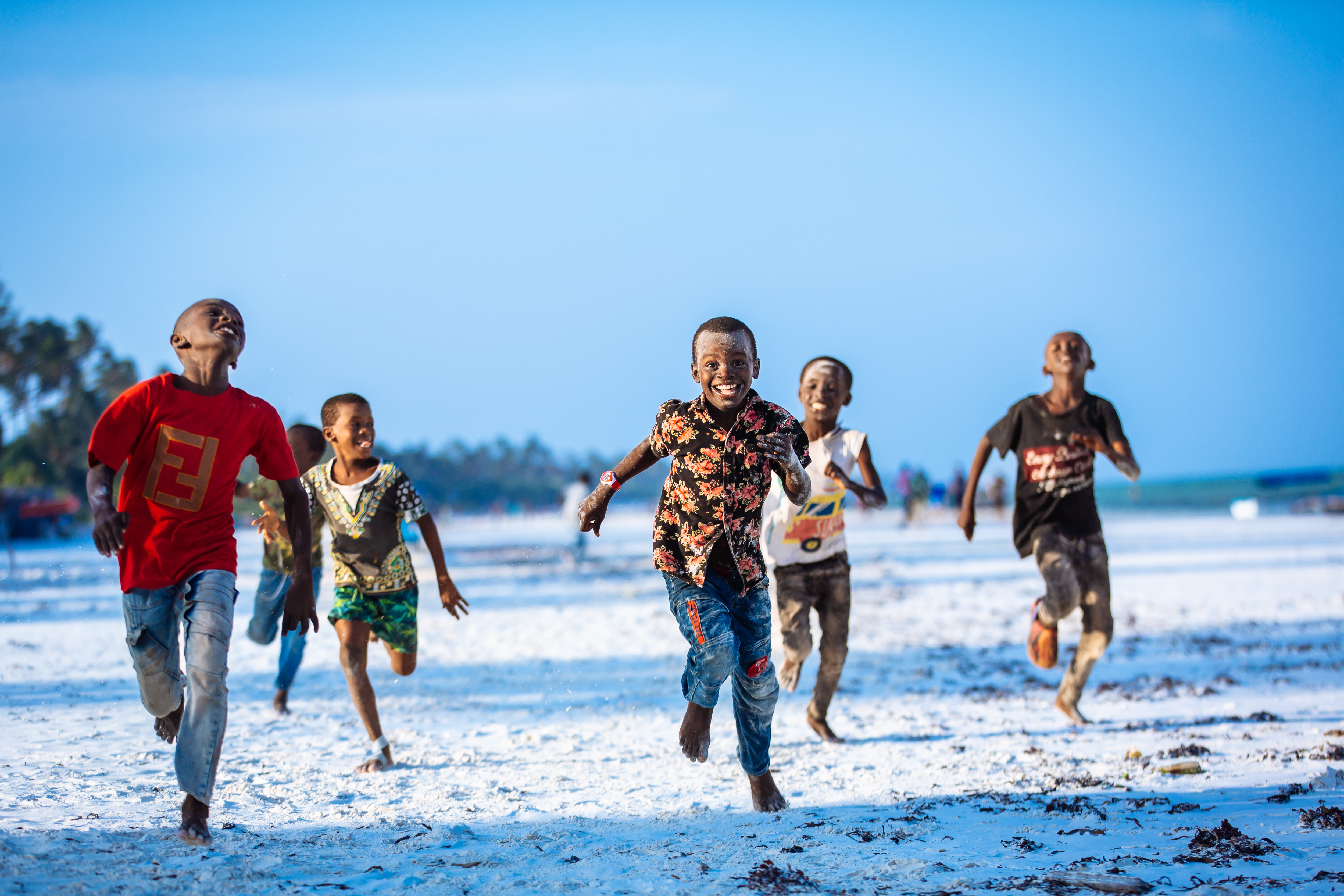
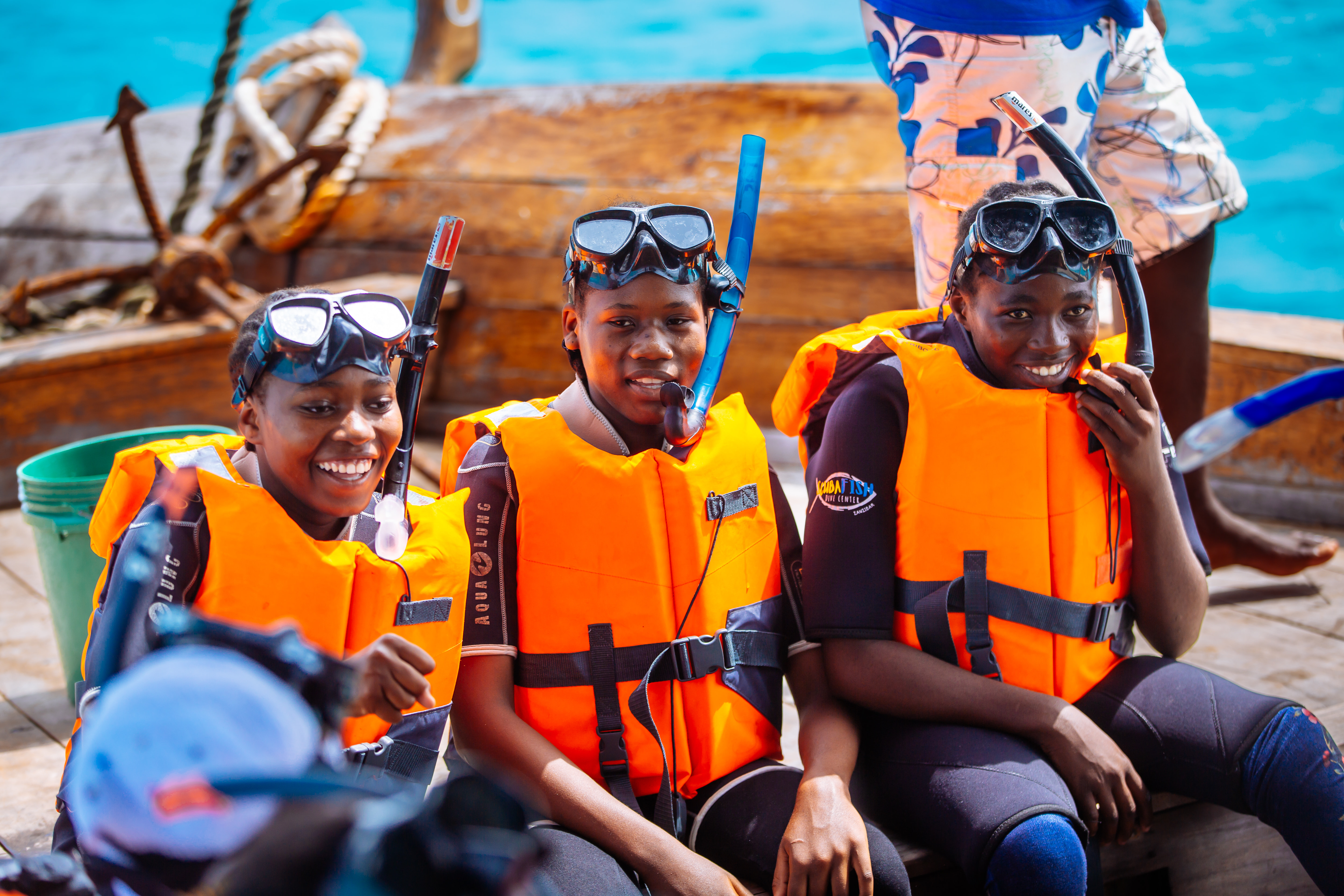
Five years on, an hour of marine science sits in the weekly timetable of three local schools, reaching around 120 students across four classes. The syllabus covers eight topics - coral reefs, mangroves, overfishing, sharks, plastic pollution and climate change among them - and is taught through games and field trips rather than from the front of a classroom. For many of those students, it is the first time anyone has explained the ecosystem that exists just beyond their village.
The conversations with the fishermen taught Yong Mi something important. Changing long-held practices among the older generation was slow and often difficult. Many had spent their entire lives relying on the sea in the same way, and conservation could feel like an abstract idea weighed against the immediate need to provide for their families.
That realisation shaped Under The Wave's next step. Rather than focusing only on changing today's decisions, Yong Mi began investing in tomorrow's decision-makers.
The programme is built on a simple belief: education is the future. While attitudes among many of the older generation are gradually shifting, lasting change will come from the children who grow up understanding not only how the ocean sustains their communities, but how their communities can sustain the ocean in return.
But teaching children about the reef also meant confronting what was happening to it.
Giving the reef a chance
Coral had been part of what Yong Mi first saw beneath the surface of Matemwe: a living structure supporting turtles, fish and the wider ecosystem. As the years passed, protecting the reef became inseparable from protecting everything that depended on it.
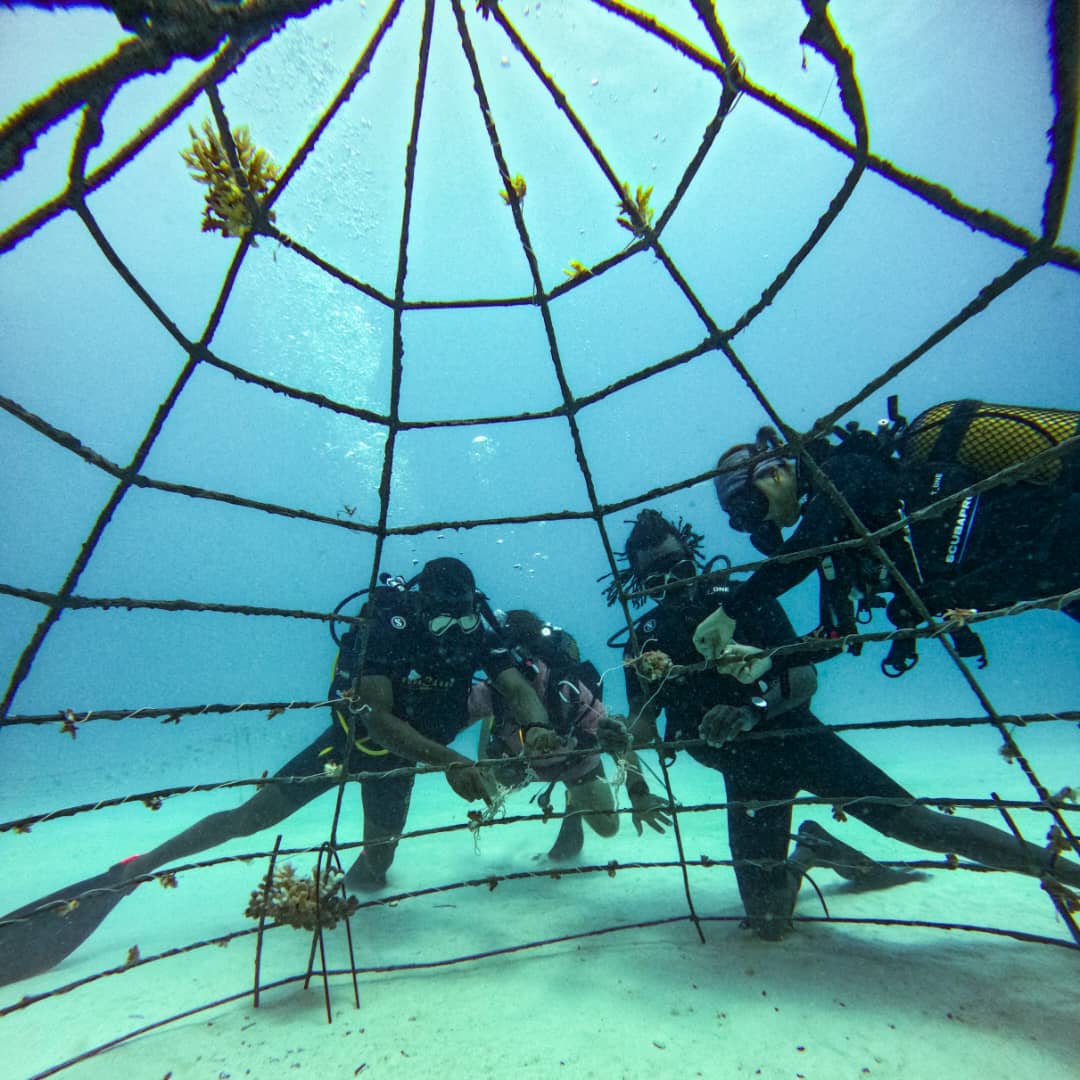
In 2022, Under The Wave established a coral nursery in Matemwe in collaboration with LindaBahari. Healthy coral fragments are grown on underwater nursery structures, where they can develop before being transplanted onto degraded reef areas. The work is carefully monitored, allowing the team to understand which corals survive and perform best under local conditions.
By April and May 2026 alone, more than 1,800 coral fragments had been outplanted, bringing the total number of corals restored through the programme to more than 2,200. Monitoring in June found that 96.92 per cent of the transplanted corals were healthy.
Then, in 2024, Under The Wave expanded the work beyond restoring existing reef. An artificial reef was established to create additional habitat where corals and other marine organisms could settle, grow and develop. So far, 2,500 corals have been outplanted onto the artificial reef.
For the students who visit the water, coral restoration makes the lessons in their classroom tangible. They are not simply learning that reefs matter; they can snorkel over them, see the marine life they support and watch restoration taking place in the waters beside their own community.
And for Yong Mi, restoration is also about asking a harder question: what kind of reef are we restoring for?
Coral restoration cannot, on its own, solve the long-term pressure created by warming oceans. The next stage of Under The Wave's work is therefore looking at resilience. Together with Wageningen University & Research in the Netherlands, the organisation is developing a project to understand which local corals are naturally better able to withstand increasing ocean temperatures and climate-related stress.
The ambition is to combine the practical knowledge built through years of restoration with scientific research, so that future conservation in Zanzibar is not simply rebuilding the reefs of the past, but helping them survive in the ocean that is coming.
The ocean needed witnesses
The turtles were the beginning, but they weren’t the whole story.
The more Yong Mi investigated, the clearer it became that the pressure on the reef wasn’t coming from the villages alone. The entire marine ecosystem around Matemwe was changing, and much of that change was happening in the space between people and the ocean.
Tourism around Zanzibar had grown rapidly without clear guidelines for how to interact with marine life. More and more frequently, boats chased pods of dolphins, crowded them, cut across their paths and threw food into the water to keep them nearby. There were no standards for responsible encounters because there was little evidence about what those encounters were doing.
So Yong Mi did what she had done before: she gathered evidence. Over months of systematic monitoring, the team recorded dolphin behaviour off Matemwe and Mnemba, building a clearer picture of how tourism was affecting these animals and using the findings to inform discussions with Zanzibar’s Ministry of Blue Economy and Fisheries.
The research opened a new conversation with Zanzibar’s Ministry of Blue Economy and Fisheries. Under The Wave is now working with the ministry to develop eco-guide standards and training for responsible dolphin tourism, informed by the data collected off Matemwe and Mnemba. The guidelines will focus on practical ways to reduce disturbance to dolphins, from responsible boat approaches and anchoring practices to understanding natural animal behaviour.
For Yong Mi, this represents another step in the same process that has shaped all of Under The Wave’s work: building knowledge first, then using that knowledge to create solutions that work for both people and the ocean.
Yong Mi is clear that she never set out to run this many programmes. Habitat inventory work, reef protection and restoration, the turtle photo-identification records: each arrived because the one before it had worked, and each request was harder to refuse than the last.
Then the biggest one arrived.
A line drawn on water
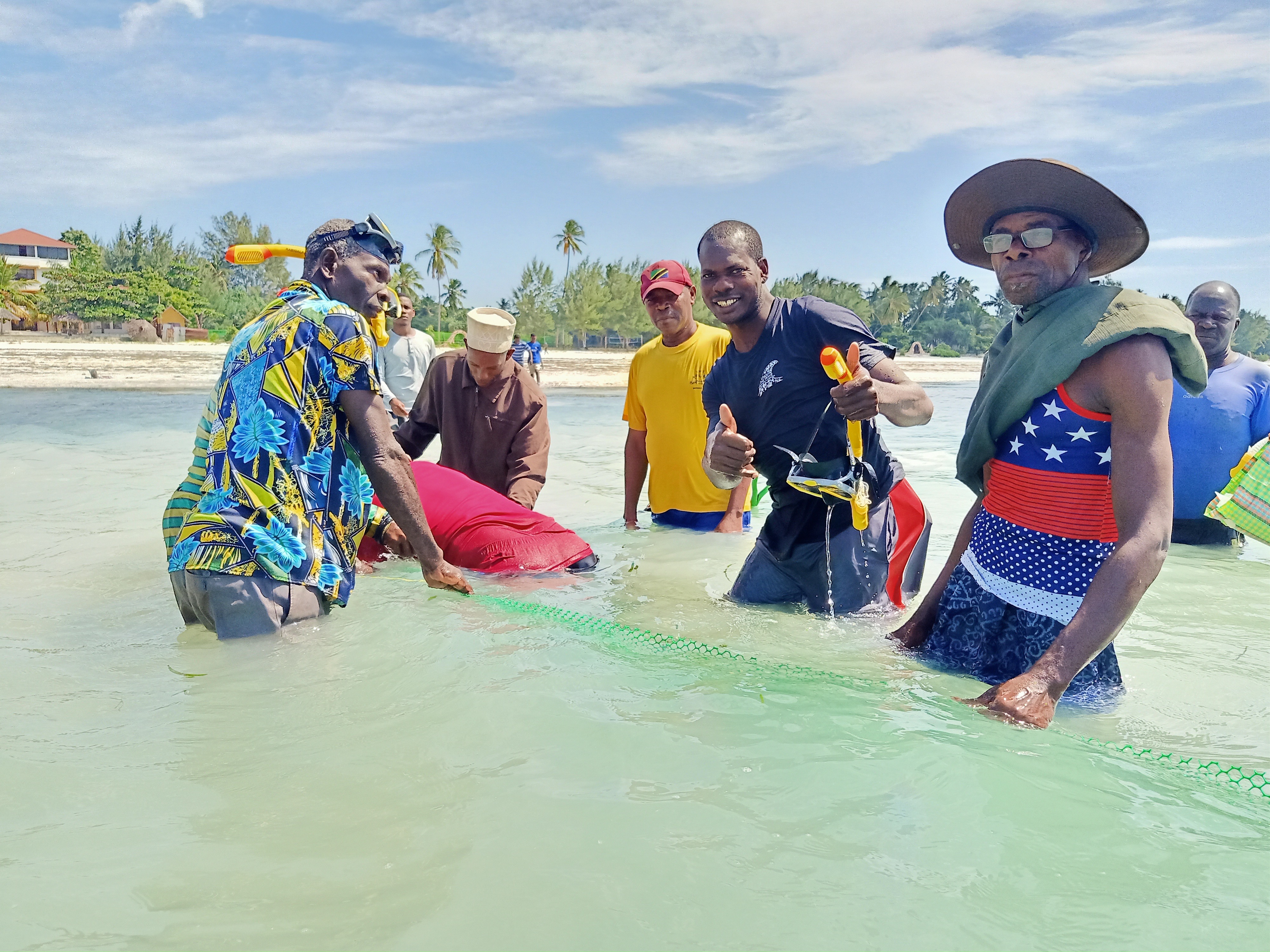
Zanzibar is currently working towards protecting thirty per cent of its marine area by 2030, as part of the global 30x30 commitment to conserve ocean and land ecosystems. The Ministry of Blue Economy and Fisheries frames the goal as keeping the ocean a source of prosperity for citizens. In Matemwe, the target lands as a much more immediate question: if thirty per cent of the water closes, what happens to the people who fish it?
Yong Mi didn’t argue about where the boundary should go. She looked at the six villages she had walked into a decade earlier and understood that everything built until then had been preparation for this. You can’t draw a line on water and expect it to hold if crossing it is the only way a family sustains a livelihood. The line needs an alternative attached to it, and the alternative has to be working before the line arrives.
Building something to hand over
The next challenge was the one she had been working towards from the beginning: if communities were going to protect parts of the ocean, they needed something to replace what they were being asked to give up.
So Yong Mi looked for a livelihood that could keep people connected to the sea while allowing the sea space to recover.
Sea cucumbers are not an obvious conservation hero. They’re unglamorous, but valuable. The sea cucumbers farmed along this coast fetch high prices when dried and sold into Asian markets, and they are relatively simple to grow: juveniles are placed in secure pens at the right depth and left to reach size.
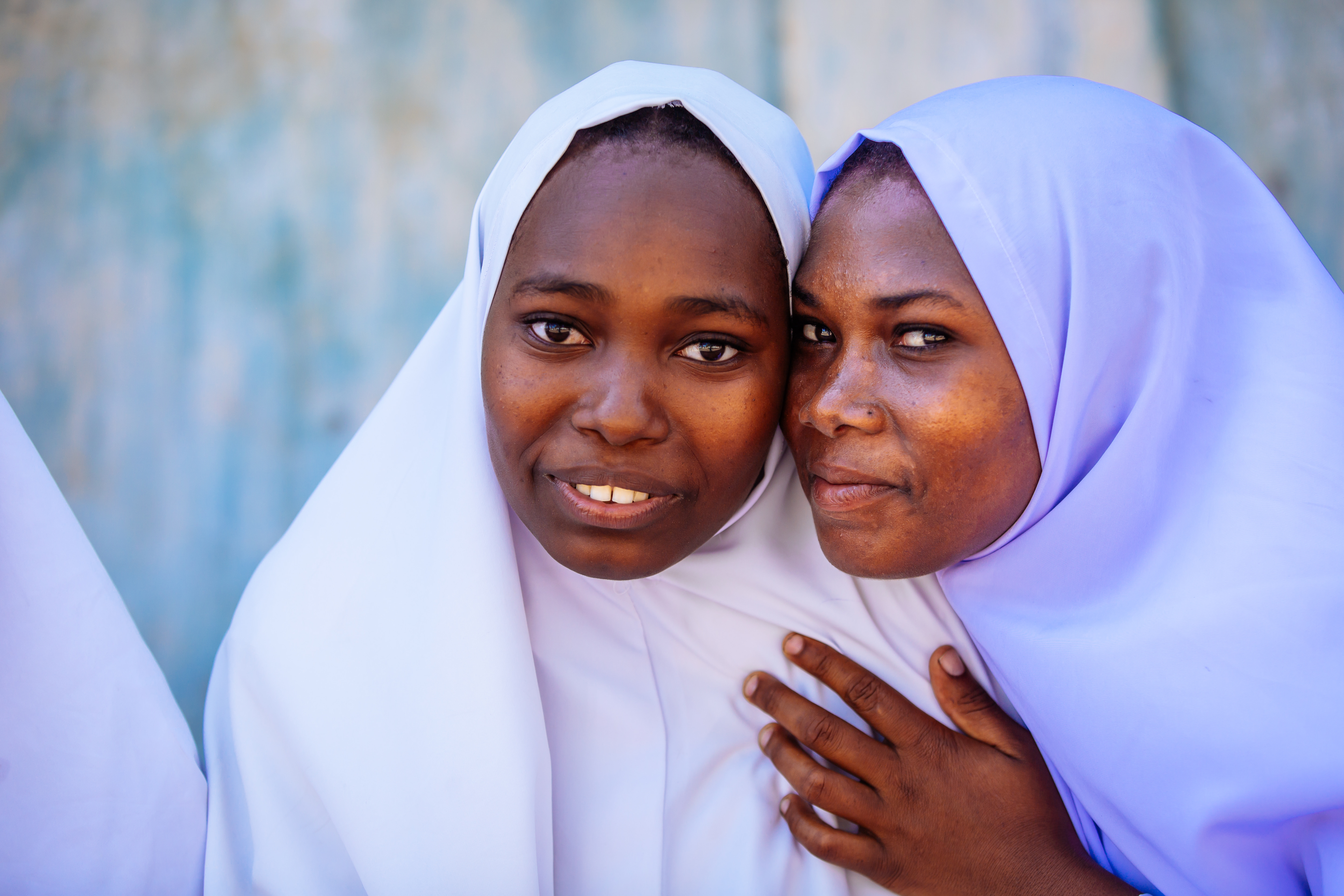
Under The Wave spent two years piloting the idea before committing. Then Yong Mi made the decision that gave the project its character: the farms would be run by women, for women.
The choice was rooted in what was already happening in the community. Seaweed farming in Zanzibar is overwhelmingly women's work, but the industry is becoming increasingly difficult to sustain. Rising water temperatures affect growth and leave crops vulnerable to bacteria, while falling prices mean a farmer can work a six-hour day for around $0.44 USD. The cooler, deeper waters where seaweed can still thrive are often out of reach - literally - because many women have never had the opportunity to learn to swim.
Sea cucumbers offered a second product built on skills these women already had: working with the ocean, managing farms, and understanding marine conditions. Five small farms were established as teaching sites, with ownership designed into the model from the beginning. After a few years, the women running the farms take ownership of the farms themselves.
That was the point. Yong Mi is clear that this isn’t about an NGO owning and operating a project indefinitely. The goal is for Under The Wave to become unnecessary - to build something that can continue because the community owns it.
Going home without leaving
Yong Mi did eventually go back to the Netherlands. But leaving Matemwe did not mean leaving the work behind.
From there, she set up The Living Ocean, a foundation established to fund and support the work in Zanzibar. It’s what keeps the hatchery, the classrooms and the farms running. The structure matched the philosophy she had built from the beginning: the projects in Matemwe should belong to the people of Matemwe. What they needed from Europe was not someone to run the work, but the resources and attention to help it continue.
Two things hold the whole thing together. The first is that local marine biologists lead the work, so what the community sees is Zanzibaris doing marine science rather than visitors arriving with instruments and a departure date. The second is the philosophy Yong Mi repeats in every room she walks into: Under The Wave is not there to stop the community from fishing. It is there to find the balance between the ocean and the people who depend on it. Everything else is an attempt to make that balance arithmetically possible rather than morally demanded.
Beyond a single lifetime
A hatchling that enters the water at Matemwe this season will not return to nest on that same beach for twenty to thirty-five years. A coral fragment transplanted onto a reef today faces an equally uncertain future. That is the timescale Under The Wave is working on: a future that can’t be measured in quick wins, and can’t be guaranteed.
Because even the strongest local action exists within a much larger system. A village can stop eating turtles. The ministry can introduce better rules for boat operators. Communities can restore habitats and build new livelihoods. Scientists can identify corals that may be better equipped for warmer seas. But nobody in Matemwe can control the temperature of the ocean, and warming waters remain the greatest threat to everything they are trying to protect. An El Niño year can push already stressed reefs into bleaching. A mass die-off of sea urchins across the region has been another warning that the ecosystem is under pressure. The work can restore what is within reach, but it can’t remove the forces changing the ocean itself.
So the work continues. More nests lifted. More hours in the classrooms. More coral grown and transplanted. More farms transferred into community ownership. More data shared with the ministry. More questions asked about what resilience will mean for the reefs of the future.
Twenty years ago, Yong Mi could count twenty to forty turtles in a single day and think nothing of it. What she’s building now is the possibility that a child sitting in one of those classrooms will one day stand on the same shore, look into the water, count twenty turtles, and think nothing of it either.