
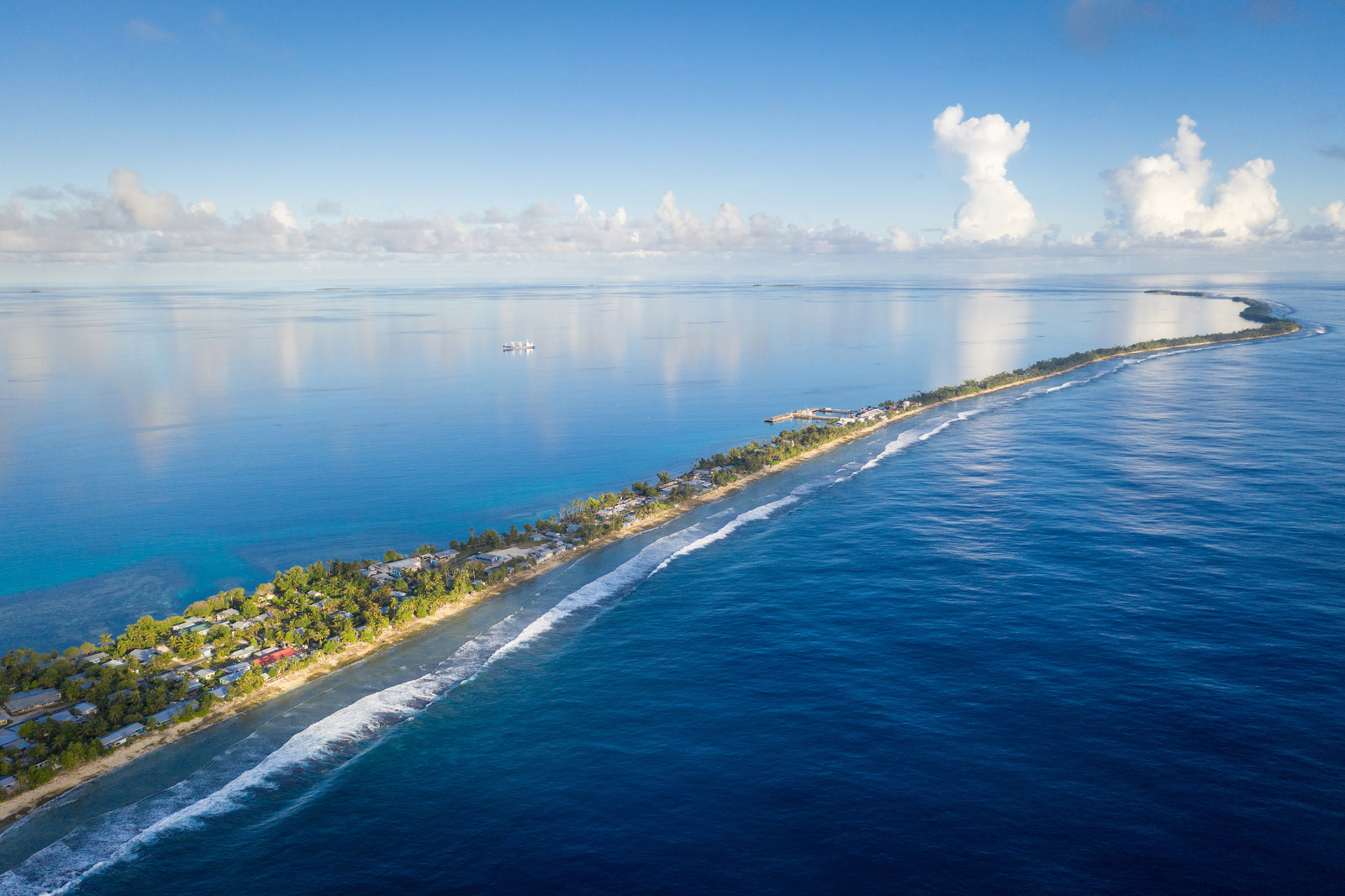
When the global climate community looks towards COP31 in Antalya, Türkiye, much of the attention will naturally focus on what happens there. But some of the most important conversations shaping those negotiations will begin thousands of kilometres away, in the Pacific.
From 5 to 8 October 2026, Fiji and Tuvalu will host Pre-COP31, bringing together ministers, negotiators, heads of government, scientists, youth representatives, civil society organisations and private sector leaders. More than 2,000 delegates are expected to participate, making it one of the highest-level climate gatherings before the formal UN climate negotiations begin.
For island nations, however, Pre-COP31 is about more than preparing for another round of negotiations. It is an opportunity to change the starting point of the conversation. For decades, Small Island Developing States (SIDS) have often been described primarily through the lens of vulnerability: rising seas, stronger storms, ecosystem degradation and economic pressures.
Those realities are undeniable. But they tell only part of the story. Island nations are also places where climate impacts are already being experienced, where adaptation is not theoretical, and where communities are developing responses under conditions that much larger countries may only face in the future. Pre-COP31 creates an opportunity to bring that experience closer to the centre of global climate decision-making.
Bringing climate diplomacy closer to the frontlines
Pre-COP meetings traditionally act as a bridge between technical negotiations and political decision-making. They provide space to identify areas of consensus, address unresolved issues and build momentum ahead of the formal Conference of the Parties. Pre-COP31 adds another important dimension: place.
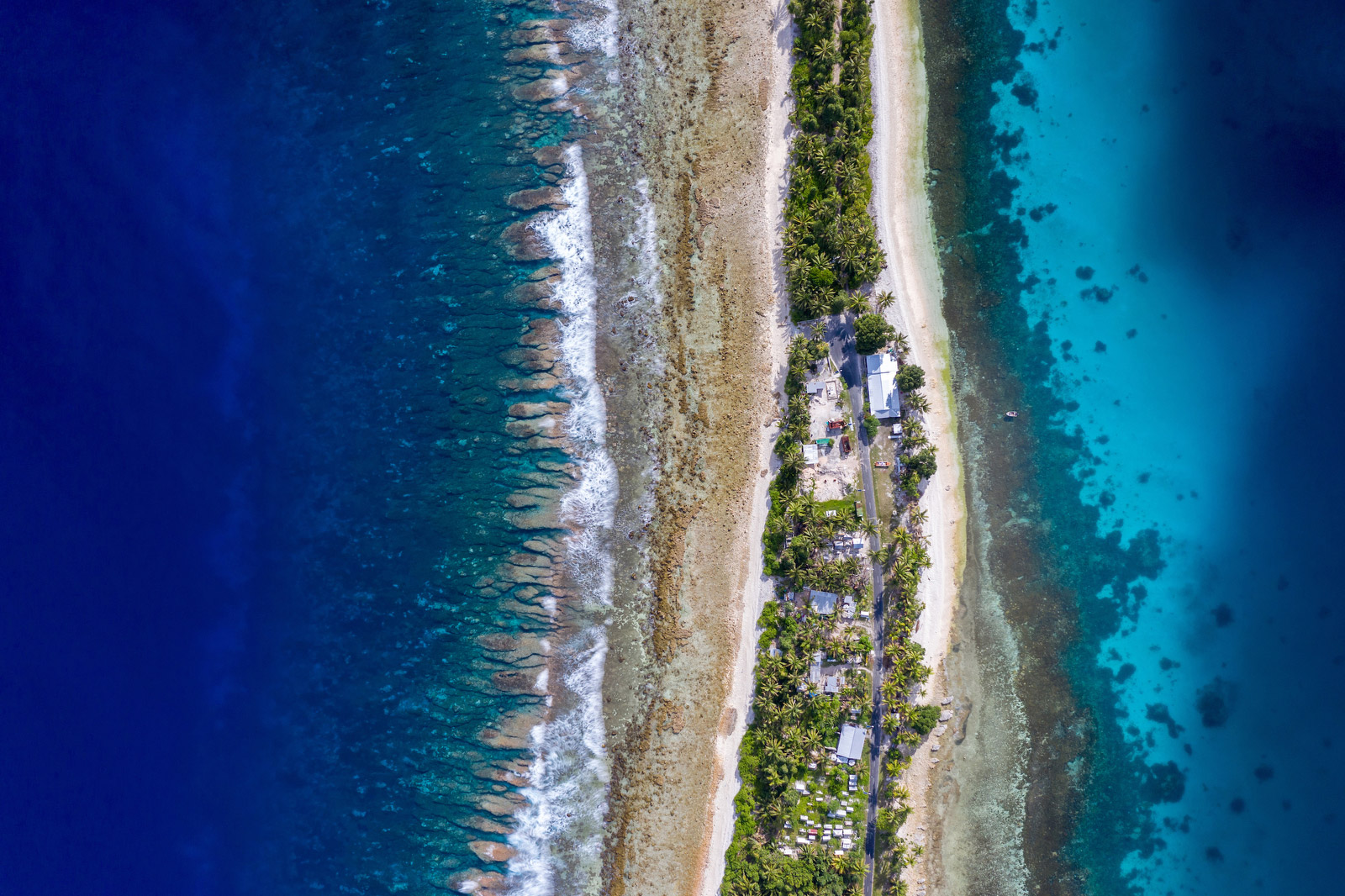
Tuvalu is made up of nine islands totaling just 10 square miles. CNN Photo
Hosted jointly by Fiji and Tuvalu in partnership with Australia's COP31 Presidency, the meeting is deliberately bringing global climate diplomacy into one of the regions most exposed to climate impacts. Leaders will begin with a dedicated component in Tuvalu before reconvening in Fiji for ministerial discussions and broader stakeholder engagement. That matters because, across the Pacific, climate change is not a distant scenario.
It is already affecting infrastructure, freshwater supplies, food systems, public health and economic development. Bringing decision-makers into the region creates an opportunity to engage directly with both the challenges and the responses being developed on the ground. And this is part of a broader shift. Island states are increasingly positioning themselves not only as countries exposed to climate change, but as innovators, advocates and leaders in climate action. That distinction matters.
A Pacific-led agenda
The design of Pre-COP31 reflects this ambition. Alongside ministerial negotiations, the programme includes the Vale ni Vanua Knowledge Exchange, a stakeholder platform bringing together workshops, roundtables, exhibitions, networking and cultural activities. The intention is to connect political discussions with practical solutions.
The programme also includes a Pacific negotiators' meeting, a youth climate dialogue, discussions on energy transition and climate finance, and exhibitions and side events showcasing projects, technologies and community-led initiatives. Taken together, these spaces create something more significant than a parallel programme.
They create an opportunity for Pacific countries and stakeholders to shape the agenda before formal negotiations begin. The objective is therefore not simply to increase visibility or raise awareness. Pacific governments are seeking concrete outcomes that can influence negotiation priorities, funding decisions and political commitments when delegates meet in Antalya.
Turning collective voice into negotiating power
There is a structural challenge behind this effort. Many of the countries most exposed to climate change have relatively limited negotiating capacity compared with larger economies. Island delegations may consist of only a small number of officials who are simultaneously expected to follow multiple negotiation tracks.
Coordination, therefore, becomes a form of influence. Pacific countries are using the period before the ministerial gathering to refine shared positions and strengthen their collective mandate ahead of COP31. This is not new. Collective action has long been one of the Pacific's strengths.
When island states speak with a common voice, their influence can extend far beyond what their size alone might suggest. Pacific leadership has been instrumental in elevating the 1.5°C target within international climate discussions, while continuing to shape debates around adaptation, climate finance, loss and damage and other priorities. Pre-COP31 offers another opportunity to turn that collective voice into political momentum.
Keeping 1.5°C within reach
One of the Pacific's central priorities remains the commitment to limiting global warming to 1.5°C. For many island nations, this is not an abstract benchmark. It is closely connected to the ability to protect communities, ecosystems and economies.
At Pre-COP31, Pacific leaders are advocating for stronger emissions reductions during this decade and renewed political commitment to the 1.5°C objective. Discussions include the possibility of a high-level declaration or compact connecting the target with concrete mitigation action. The urgency comes from the gap between that ambition and current global emissions trajectories.
For low-lying atoll nations, sea-level rise, coastal erosion and saltwater intrusion are already affecting settlements, infrastructure and freshwater resources. Greater levels of warming would increase these risks. This is why, in the Pacific, climate ambition is often framed not simply as a matter of policy preference, but as a question with direct consequences for communities and their futures.
Climate finance: access matters as much as ambition
Reducing emissions is essential, but finance is likely to be one of the defining conversations at Pre-COP31. For island governments, the challenge is not only whether climate finance exists. It is whether they can actually access it. Complex application processes, limited administrative capacity and funding structures designed around the circumstances of larger countries can create significant barriers for small island states. Even when resources are available, accessing them may require extensive technical expertise and lengthy approval processes.
The Pacific is therefore bringing a concrete set of proposals to the table. These include dedicated financing windows for SIDS, simplified access procedures, greater use of grants rather than debt-creating instruments, more predictable adaptation finance, faster operationalisation of the Loss and Damage Fund, and increased support for community resilience through the Pacific Resilience Facility.
The design of the New Collective Quantified Goal on climate finance will be particularly important. Pacific negotiators are emphasising that future climate finance needs to be accessible and predictable, while avoiding additional debt burdens for countries already operating under significant economic constraints. This is a useful reminder that climate finance is not only about how much money is committed. It is also about whether financial systems are designed in ways that reflect the realities of the places they are intended to support.
The ocean is not a separate climate conversation
For island nations, there is another issue that cannot be separated from climate policy: the ocean. The ocean supports livelihoods, food security, tourism, transportation, cultural identity and economic development. At the same time, marine ecosystems such as coral reefs, mangroves and seagrass meadows provide critical climate-related services.
Pacific leaders are therefore calling for stronger recognition of the ocean-climate nexus within the COP31 agenda. Their priorities include greater investment in marine and coastal ecosystems, support for sustainable fisheries, recognition of blue economy opportunities, integration of ocean-based solutions into national climate plans, and stronger consideration of ocean-related projects within climate finance frameworks.
This is more than an environmental argument. Healthy marine ecosystems contribute to coastal protection, biodiversity and local economies. Ocean conservation and climate resilience are therefore deeply interconnected. For island communities, that connection is difficult to ignore.
Whose knowledge shapes the climate agenda?
There is another dimension to Pre-COP31 that deserves attention: representation. The gathering has been designed to create space for Pacific communities, youth leaders, traditional knowledge holders and civil society organisations to contribute directly to discussions shaping international climate priorities. Youth dialogues, community engagement activities and stakeholder forums reflect a growing recognition that effective climate policy needs to be informed by local experience.
This matters particularly in island contexts. Many communities have spent decades developing adaptation strategies grounded in local knowledge, environmental stewardship and collective action. These are not simply stories of vulnerability. They are sources of practical knowledge about how societies respond when environmental and economic conditions change. And that knowledge has relevance far beyond the Pacific.
![Children play in an abandoned home in Funafuti. Many people have left Tuvalu in search of better economic opportunities and less environmental threats, photographer Sean Gallagher said. [CNN Photos]](https://cdn.cnn.com/cnn/interactive/2019/05/world/tuvalu-climate-change-cnnphotos/media/03.jpg)
Children play in an abandoned home in Funafuti. Many people have left Tuvalu in search of better economic opportunities and less environmental threats, photographer Sean Gallagher said. [CNN Photos]
From the Pacific to Antalya
The real test of Pre-COP31 will not be the number of delegates who attend or the number of statements issued. Its significance will ultimately depend on what happens next. Will island priorities translate into tangible progress at COP31? Will there be movement on mitigation ambition, climate finance and ocean action? Will the specific circumstances of SIDS receive greater recognition? And will the gathering help strengthen partnerships and investment for the work happening in island communities?
These are the outcomes that will determine the lasting significance of the meeting. But there is already something important about the decision to bring this conversation to Fiji and Tuvalu. Island states contribute only a small share of global greenhouse gas emissions, yet they continue to play a significant role in shaping international climate discussions. Through coalition-building, political leadership and practical innovation, they have become influential voices in global climate governance.
Perhaps that is one of the most important things to understand about Pre-COP31. The Pacific is not simply a place where the consequences of climate change can be observed. It is a place where responses are being developed, tested and negotiated. And as the world prepares for COP31, island nations are not waiting for the global climate agenda to reach them. They are helping shape where it goes next.