Restoring More Than a Bay: The Community Behind Maunalua’s Revival
The Islands We Carry is a storytelling series featuring grassroots initiatives from sustainable island communities worldwide. Through these stories, Island Innovation highlights innovations, partnerships, and leadership driving sustainable development across island contexts.
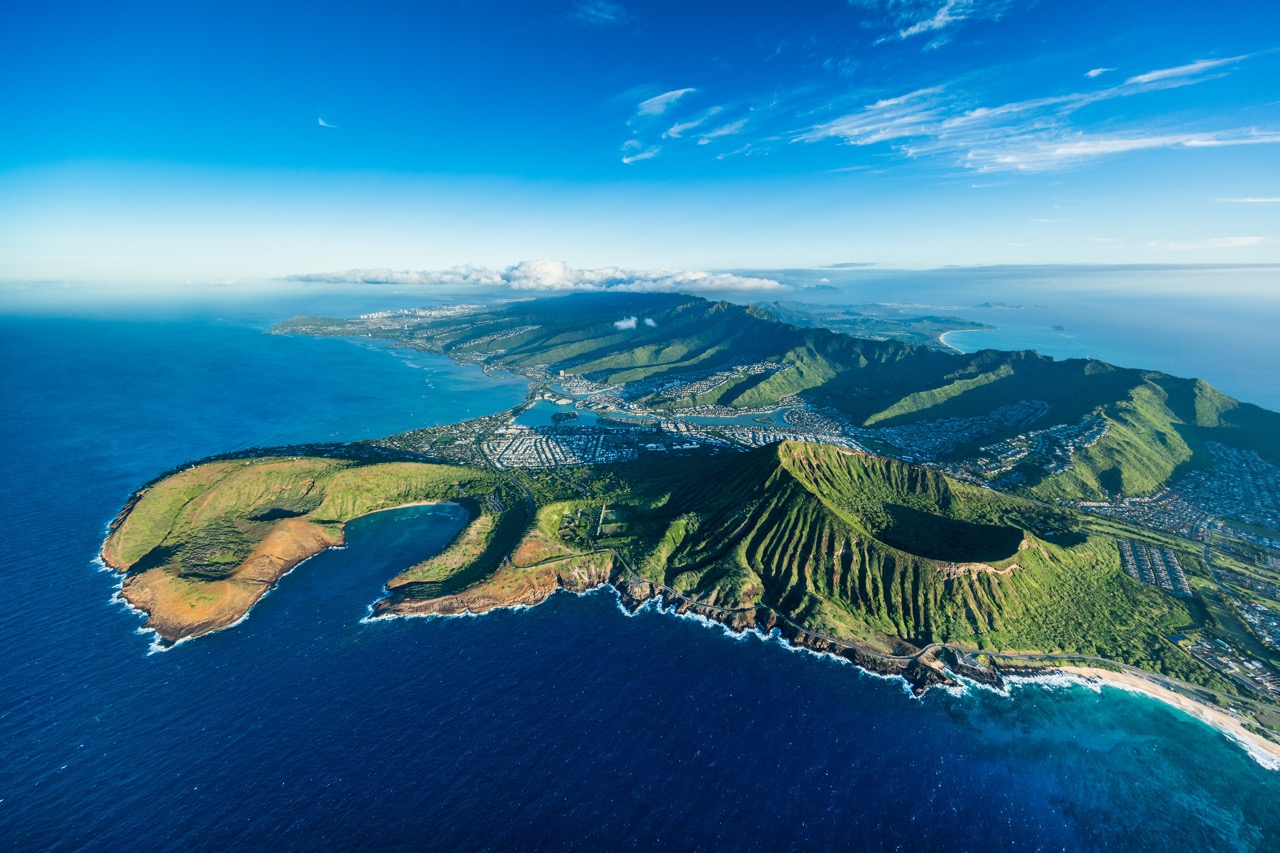
Just minutes from the busy streets of Honolulu, Maunalua Bay stretches across the southeastern coast of Oʻahu - a place where fishermen return with their catch, families gather along the shoreline, and generations of Hawaiians have built a relationship with the ocean.
From above, the bay appears calm. Turquoise waters shimmer beneath the sun, and visitors see only the beauty of the coastline. But beneath the surface, a different story has unfolded.
For decades, Maunalua Bay has faced the consequences of rapid coastal development, polluted runoff, habitat degradation, and invasive species. Sediment flowing from the surrounding watersheds reduced water quality, while invasive alien algae spread across the reef, smothering native ecosystems and threatening the marine life that communities depended on.
The damage was not limited to the ocean. Like many island ecosystems, Maunalua Bay reflects a much larger relationship between land and sea. What happens in the mountains, streams, and neighbourhoods above the shoreline eventually reaches the reef below.
Restoring the bay would require more than cleaning the ocean. It would require restoring the entire system.
From Reef Restoration to Ridge-to-Reef Healing
In response, the nonprofit Mālama Maunalua began building a different model of restoration: one rooted in community, collaboration, and the Hawaiian value of mālama, caring for and protecting the places that sustain life.
Founded by community members who saw the decline of their beloved bay, Mālama Maunalua’s mission is not simply to restore habitats, but to rebuild the relationship between people and place. Their approach recognises that the health of the reef cannot be separated from the health of the surrounding landscape.
The organisation works across multiple areas of restoration, from removing invasive algae and restoring coral habitats to addressing the sources of pollution and runoff entering the bay. Through a ridge-to-reef approach, restoration extends from the mountains to the ocean - connecting streams, forests, communities, and marine ecosystems.
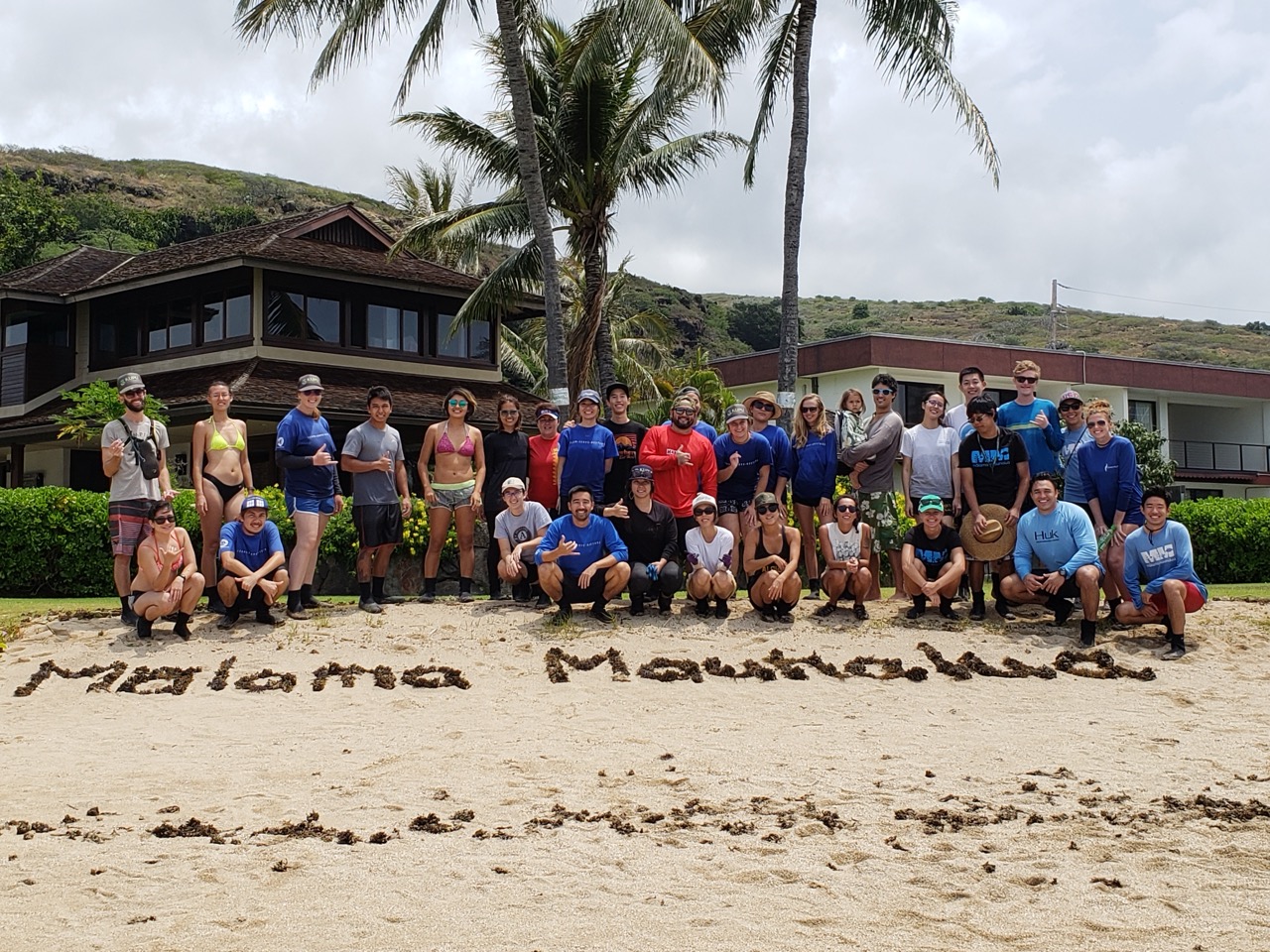
The work requires many hands. Rather than operating in isolation, Mālama Maunalua brings together government agencies, researchers, local organisations, schools, businesses, fishermen, and community volunteers to identify what each partner can contribute. This network-based approach has become one of the organisation’s greatest strengths: recognising that no single organisation can restore an ecosystem alone.
Together, partners contribute different forms of knowledge - scientific research, cultural knowledge, local experience, funding, labour, and community trust. The result is a restoration model that is not only focused on repairing damage, but on building the capacity needed to protect the bay for generations to come.
The Power of Community Science
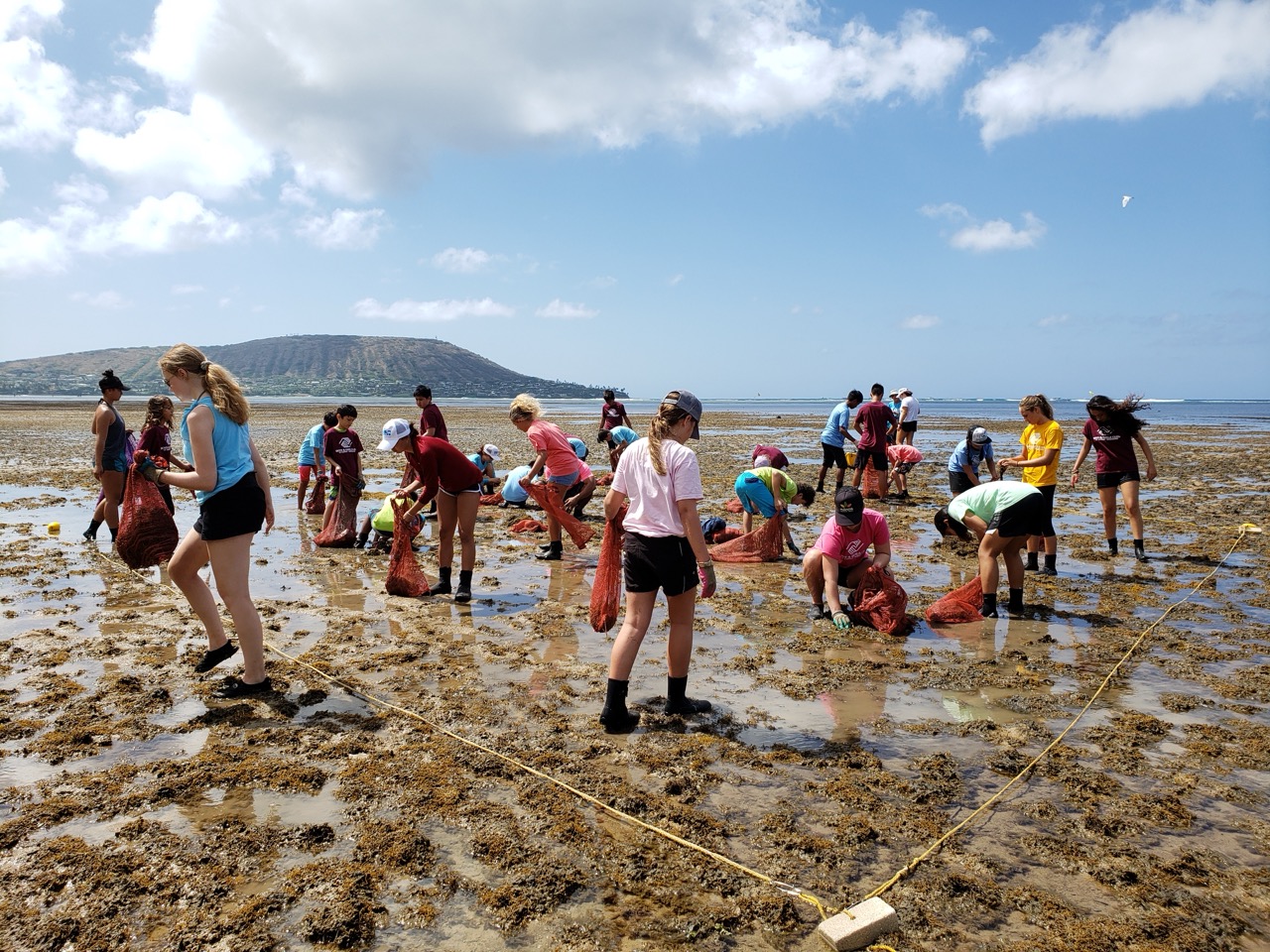
On restoration days, the shoreline becomes a gathering place.
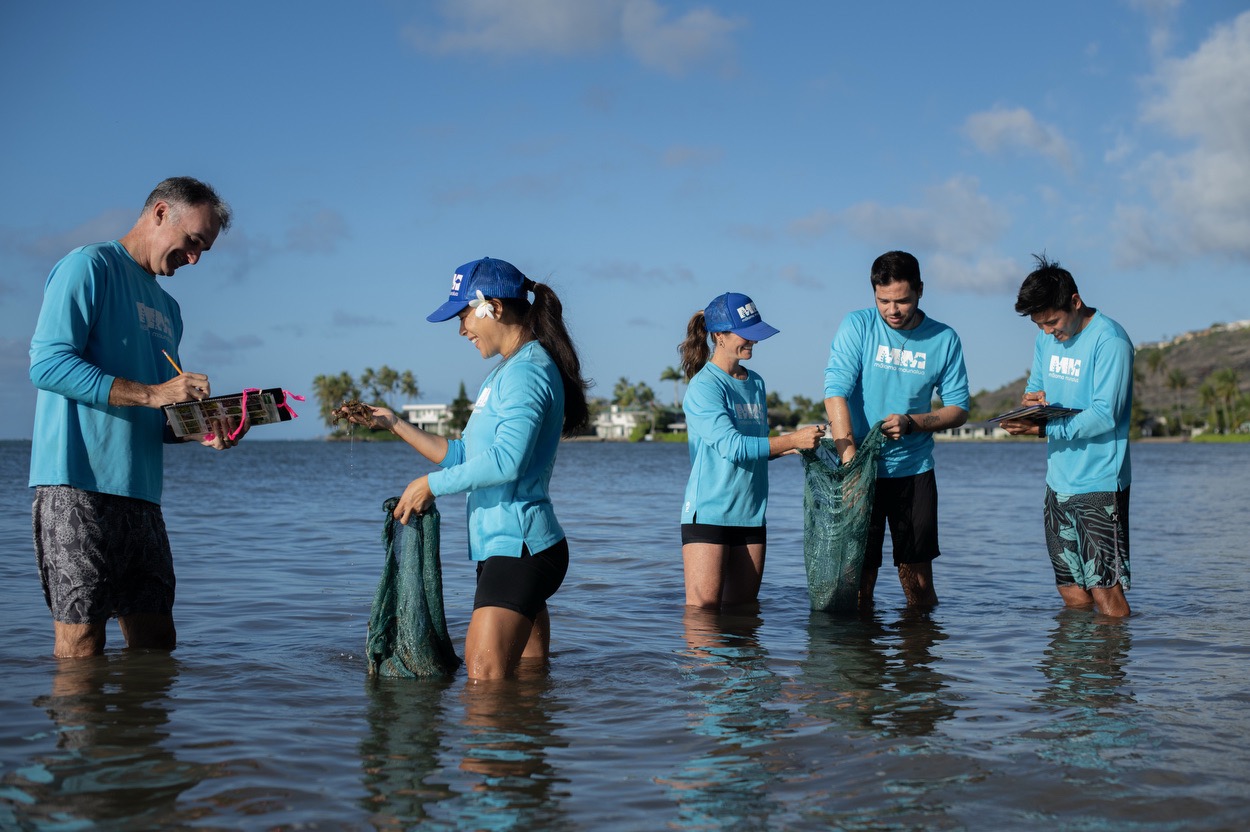
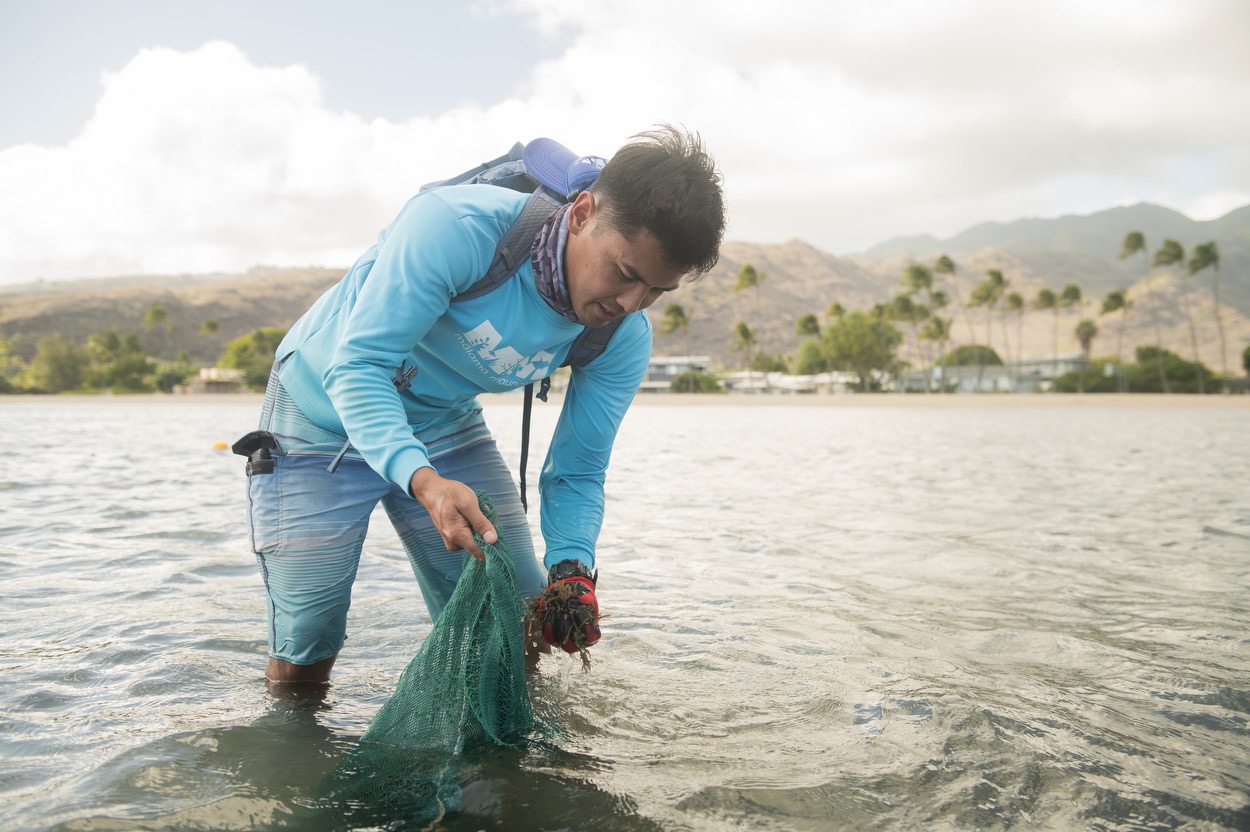
Volunteers arrive carrying snorkels, gloves, and mesh bags. Students, families, residents, and visitors enter the water together, carefully removing invasive algae that has taken over sections of the reef.
The process is slow and physical. Each handful removed creates more space for native species to return.
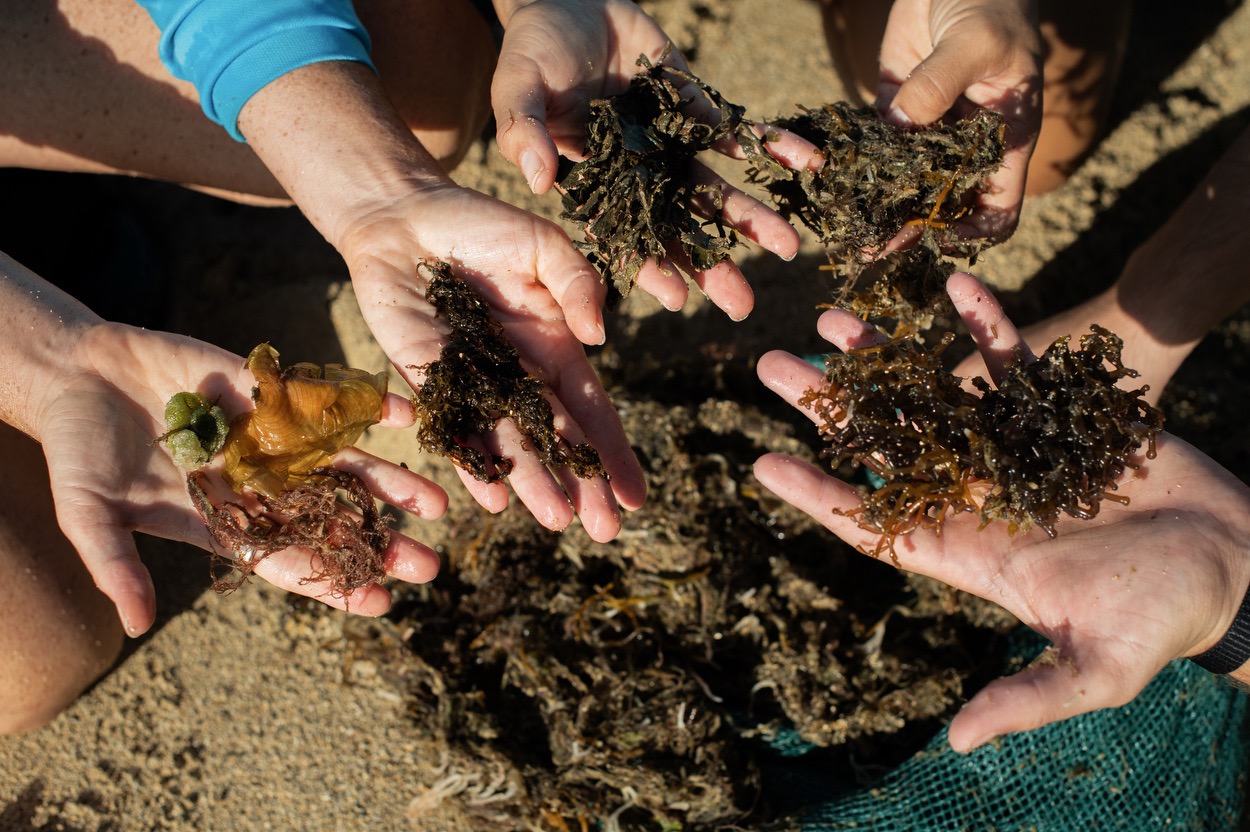
Through these community-led efforts, Mālama Maunalua has removed millions of pounds of invasive algae from the bay and engaged 45,000 volunteers in habitat restoration. Their Great Huki programme alone has mobilised community members to remove invasive algae while transforming it into compost for local farms - creating a circular connection between ocean restoration and land-based agriculture.
But restoration is not only about removing what does not belong. It is also about rebuilding what has been lost.
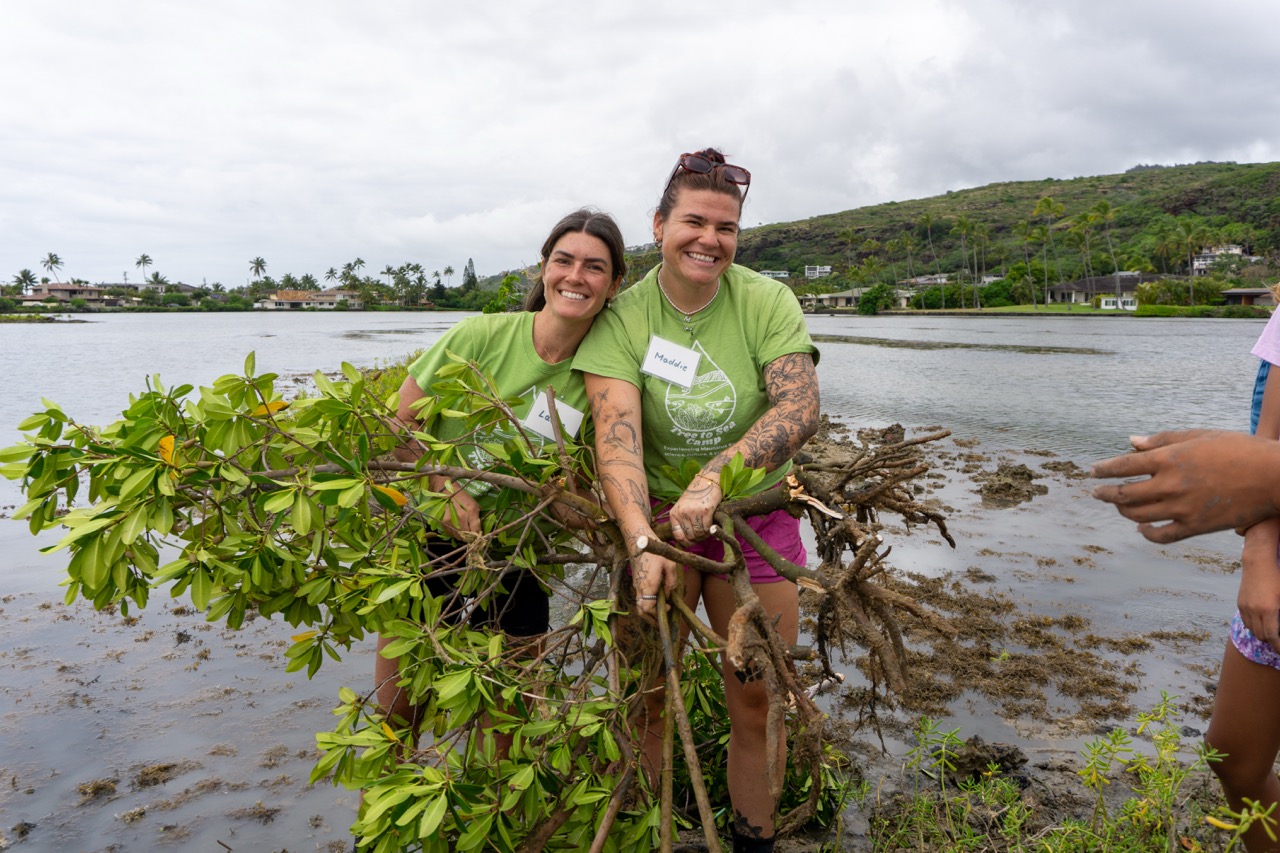
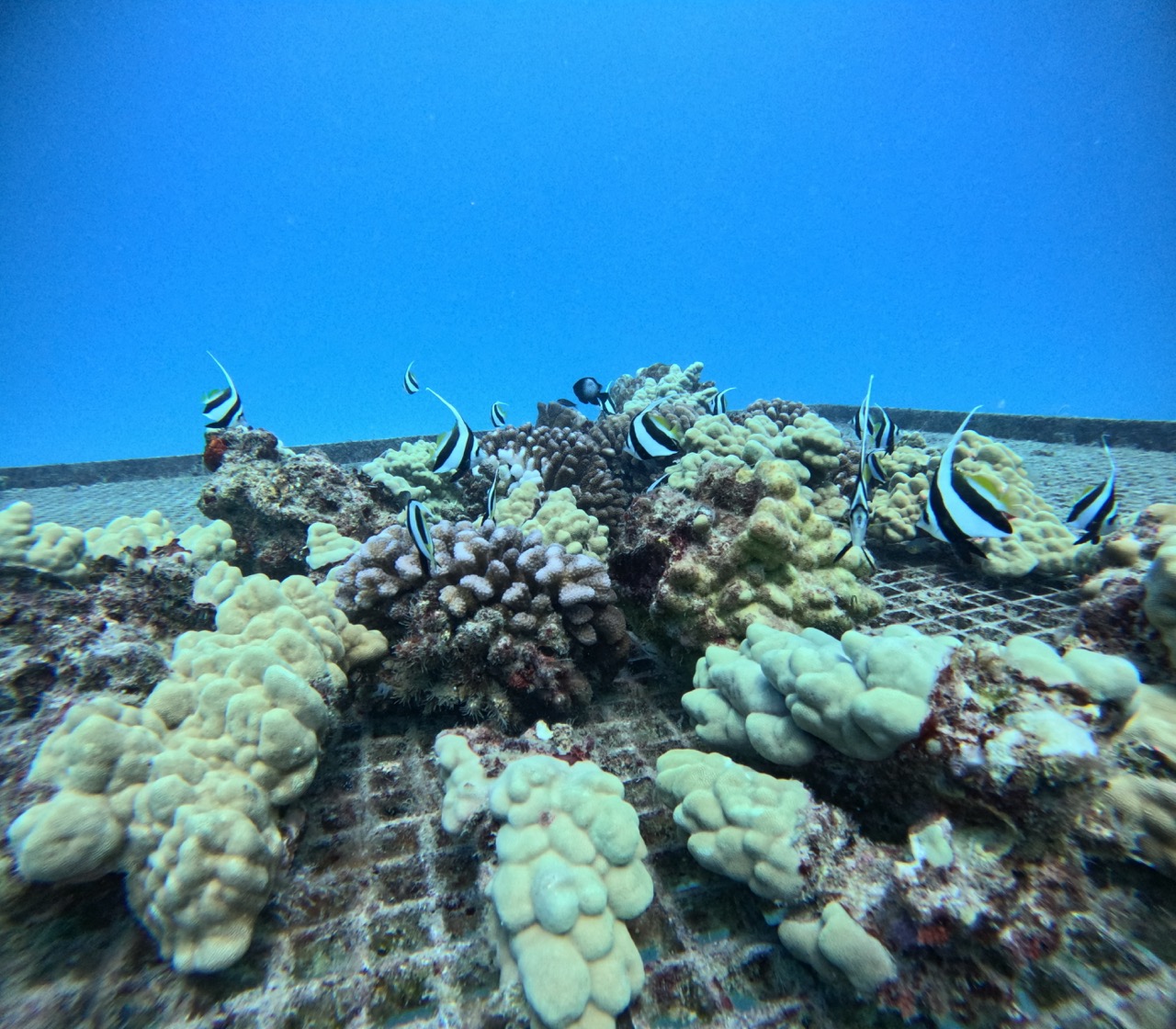
Through their coral restoration initiatives, including the Restore with Resilience programme, Mālama Maunalua works with a consortium of non-governmental organisations, academic institutions, and government partners to restore climate-resilient coral populations in the bay. The initiative aims to outplant 4,000 thermal stress-resistant corals, helping rebuild reef habitats that can better withstand the pressures of a changing climate.
The community plays an important role in this process - supporting coral monitoring, restoration activities, and the collection of local ecological knowledge. By involving residents directly in scientific work, restoration becomes something more than a project; it becomes a shared responsibility.
— Doug Harper, Executive Director of Mālama Maunalua“We are a small team working in one of the largest bays in the state. Without the community supporting and coming out to help, there is no way we could be as successful.”
Restoring More Than an Ecosystem
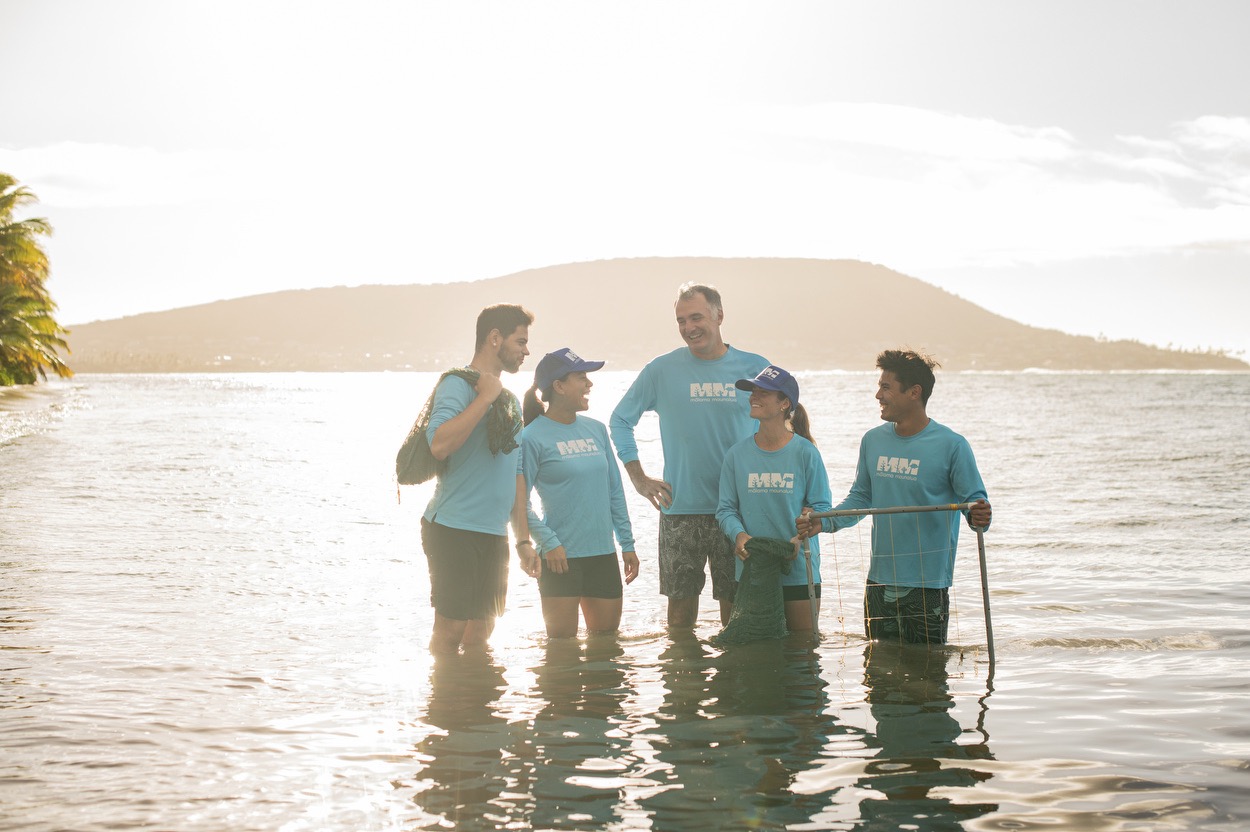
What makes Mālama Maunalua’s work unique is that the organisation sees restoration as both ecological and cultural.
In Hawaiʻi, mālama ʻāina reflects a worldview where people are not separate from nature. They are part of an interconnected system of relationships and responsibilities. The ocean is not simply a resource. It is a relative, a teacher, and a source of identity.
This philosophy shapes every aspect of Mālama Maunalua’s work.
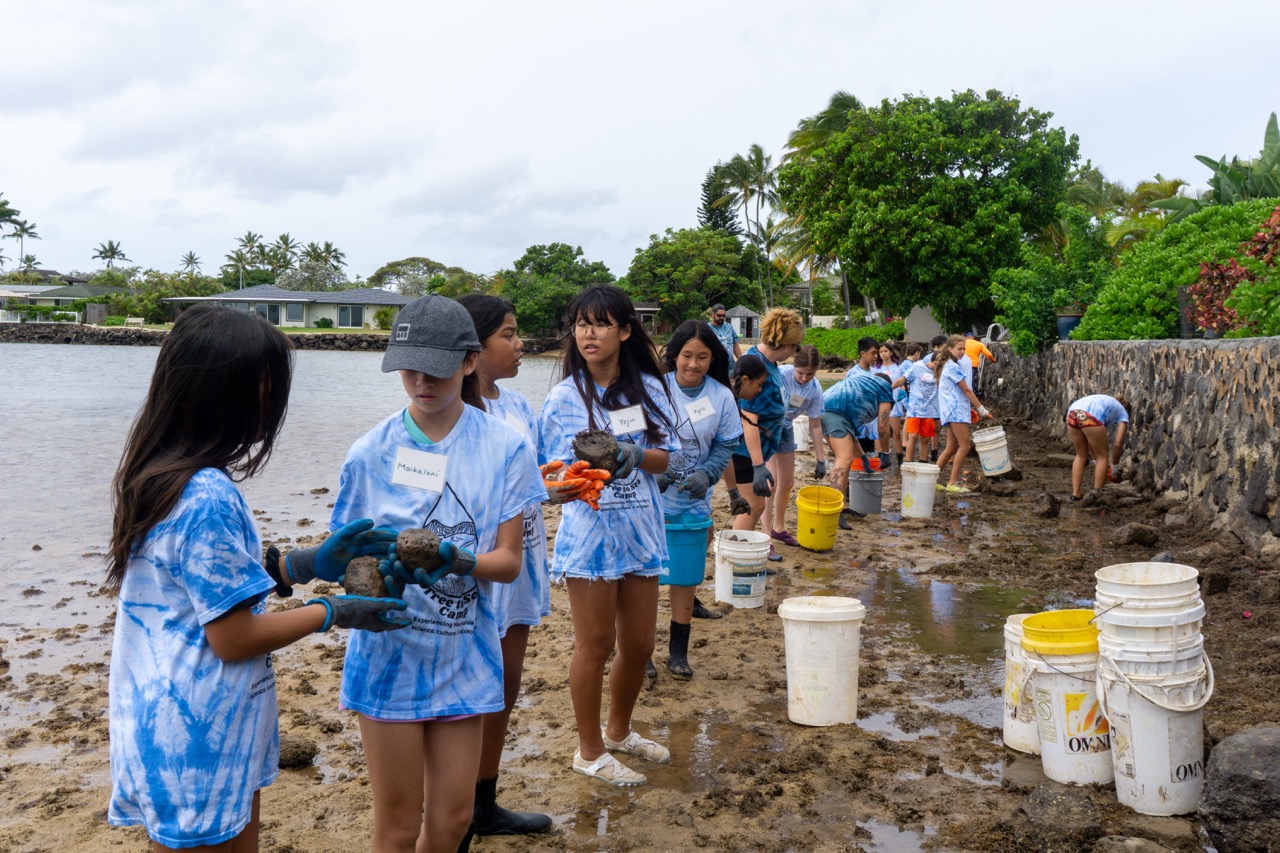
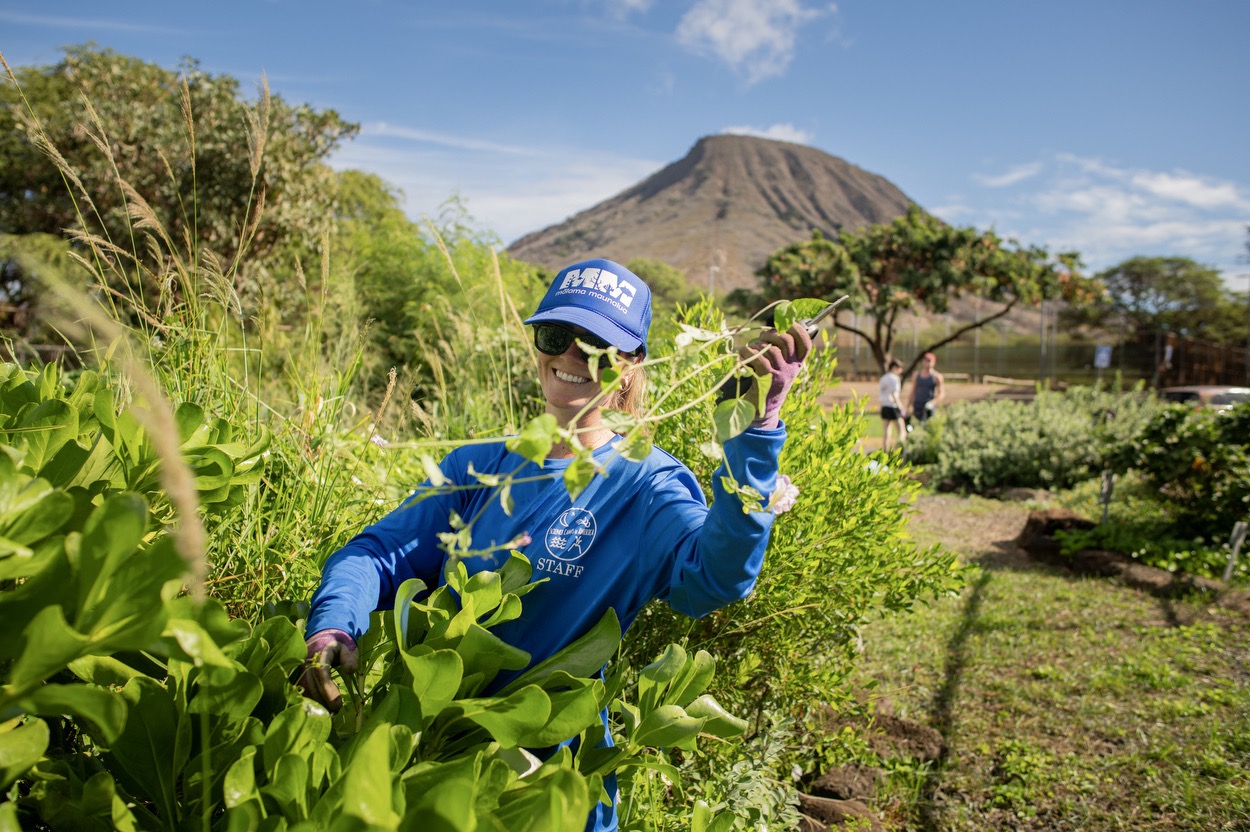
Through education programmes, school engagement, volunteer opportunities, and community science initiatives, the organisation helps people rediscover their connection to the bay. Children learn about marine species and ecosystems. Fishermen contribute knowledge from generations of experience. Residents become active participants in protecting the waters they call home.
The organisation has also worked to build environmental awareness beyond the shoreline, supporting projects that address stormwater runoff, watershed health, and green infrastructure solutions across the wider Maunalua region.
Because protecting the reef begins long before water reaches the ocean.
The Impact: A Community Rebuilding Its Relationship With the Sea
Since its founding, Mālama Maunalua has demonstrated what community-driven restoration can achieve. The organisation has:
Removed more than 3.5 - 4 million pounds of invasive alien algae from Maunalua Bay
Restored more than 23 acres of reef ecosystem affected by invasive algae
Engaged thousands of volunteers in habitat restoration efforts
Worked with schools, businesses, researchers, and community groups to expand environmental stewardship
Supported coral restoration efforts focused on climate resilience and reef recovery
Yet perhaps the organisation’s greatest achievement cannot be measured in pounds of algae removed or corals planted. It is measured in relationships. A community that once watched the bay decline is now actively participating in its recovery. A generation of young people is growing up understanding that conservation is not something done somewhere else, by someone else.
It begins with them.
— Doug Harper, Executive Director of Malama Maunalua“So many of the people I talk to on the street talk about learning about the bay or having a connection with it through our restoration days when they were a kid. Several say it shaped what they wanted to do with their career. It's really heartening and amazing to see how much our work can impact not just the resource, but the people as well.”
A Blueprint for Island Resilience
The challenges facing Maunalua Bay are not unique.
Across the world, island communities are confronting the same pressures: climate change, coastal degradation, invasive species, pollution, and the loss of traditional relationships with nature.
But Maunalua Bay offers a different story.
It shows that restoration does not have to begin with a perfect solution or unlimited resources.
It begins with people coming together.
By combining traditional knowledge, scientific research, community participation, and partnerships across sectors, Mālama Maunalua is demonstrating a model that other islands can adapt to their own environments.
The organisation’s future vision extends beyond restoring one bay. It is about expanding a culture of stewardship across Oʻahu and creating systems where communities have the knowledge, tools, and partnerships needed to care for their own ecosystems.
Because islands have always understood something the wider world is only beginning to recognise: Land and ocean are not separate. The health of one depends on the other.
And when communities choose to care, when they choose to mālama, even damaged ecosystems can begin to heal.
In Maunalua Bay, restoration is not simply about bringing back what was lost. It is about carrying forward a responsibility passed down through generations - to honour the ocean, protect the places that sustain us, and restore the connections that bind communities together.
Because islands are not only places we inhabit. They are relationships we inherit, protect, and carry with us.