
Articles
Blue Economy & Biodiversity
Reviving the Hidden Reef at Manhattan's Edge: The Billion Oyster Project
When we speak of islands, our minds drift to remote atolls, places we imagine as quiet, disconnected. But one of the busiest islands in the world - Manhattan - is far from that. It pulses with commerce, culture, power - and sits surrounded by waters that hide a quiet battle for ecological renewal.
Off New York's shores lies the Billion Oyster Project (BOP): a bold, community-driven attempt to bring back something many thought was lost forever.
A Lost Legacy, Now Reckoned
New York Harbor was once legendary for its oysters. The estuary held an estimated 220,000 acres of native oyster reefs - teeming with aquatic life: seahorses, herring, dolphins. As Mark Kurlansky writes in The Big Oyster:
Before the 20th century, when people thought of New York, they thought of oysters.— Mark Kurlansky, The Big Oyster
But industrial expansion, pollution, overharvesting, and shoreline development laid waste to that reef network. By 1927, the last commercial oyster bed in New York Harbor had closed.
Over time, as the waters darkened and life receded, the harbor became less a living estuary and more a cautionary tale. Yet in the 21st century, a movement began: to treat the harbor not as a dumping ground but as a living ecosystem again.
The Billion Oyster Project: Ambition Meets Community
Founded in 2014, the Billion Oyster Project set out with a bold goal: to restore one billion oysters to New York Harbor by 2035. Alongside that, its vision includes creating 100 acres of oyster reef habitat and engaging one million people over time.
To date:
- Over 120 million live oysters have been reintroduced
- More than 2.5 million pounds of shells have been recycled from restaurants to serve as the substrate for growing oysters
- There are currently 18 active restoration sites, covering about 16 acres of reef area
- Over 30,000 students have been engaged through curricula and field work
- The project counts on 15,000 volunteers annually
These numbers, however, only tell part of the story.
How the Restoration Works (And Why It Matters)
Oysters are ecosystem engineers: each adult can filter as much as 50 gallons of water per day, cleansing sediments and pollutants. Their reefs create structural habitat, supporting biodiversity and buffering wave energy - helping to reduce erosion and soften storm surges.
But rebuilding reefs in a dense urban environment is no small feat. The BOP's process has multiple components:
1. Shell collection & recycling
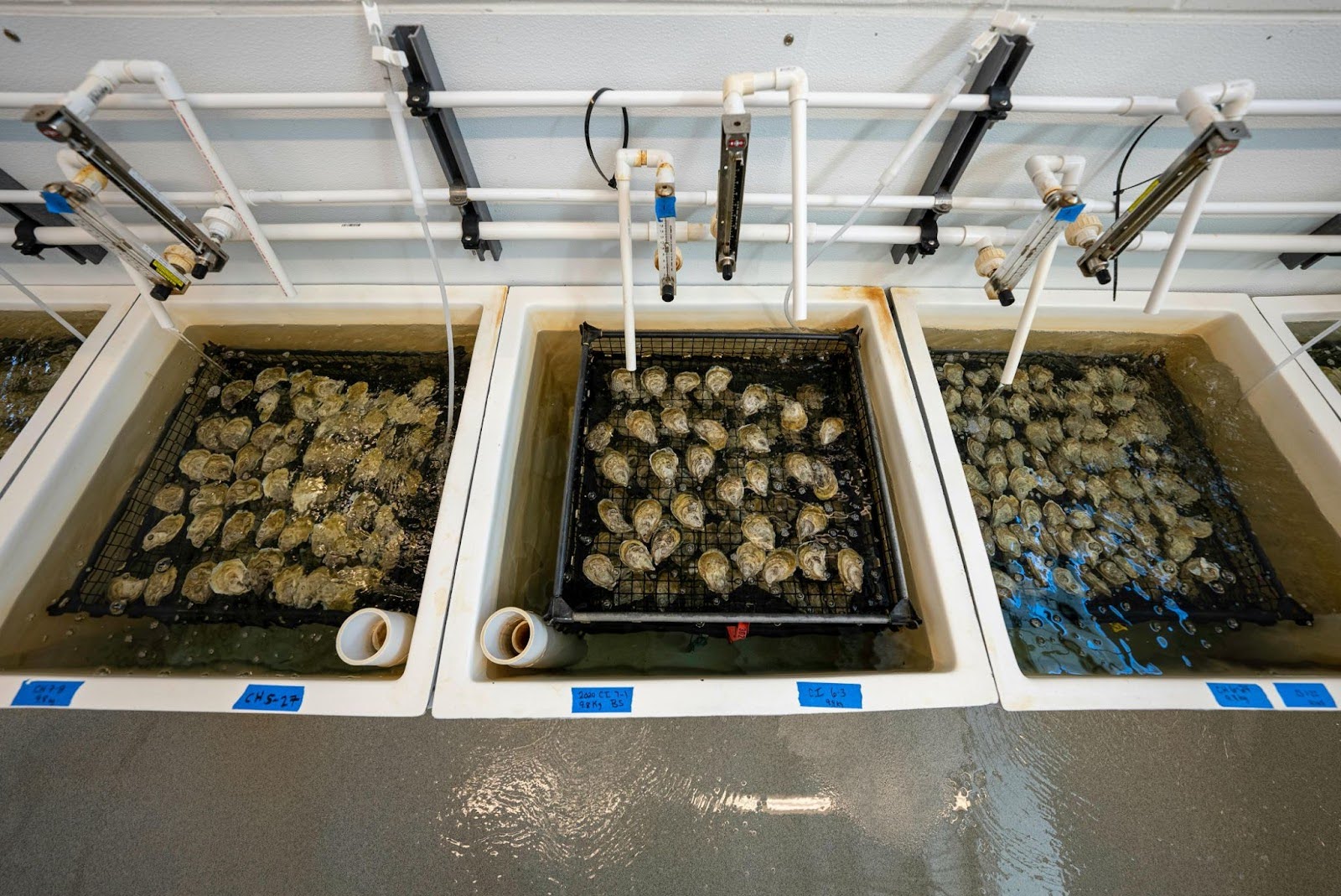
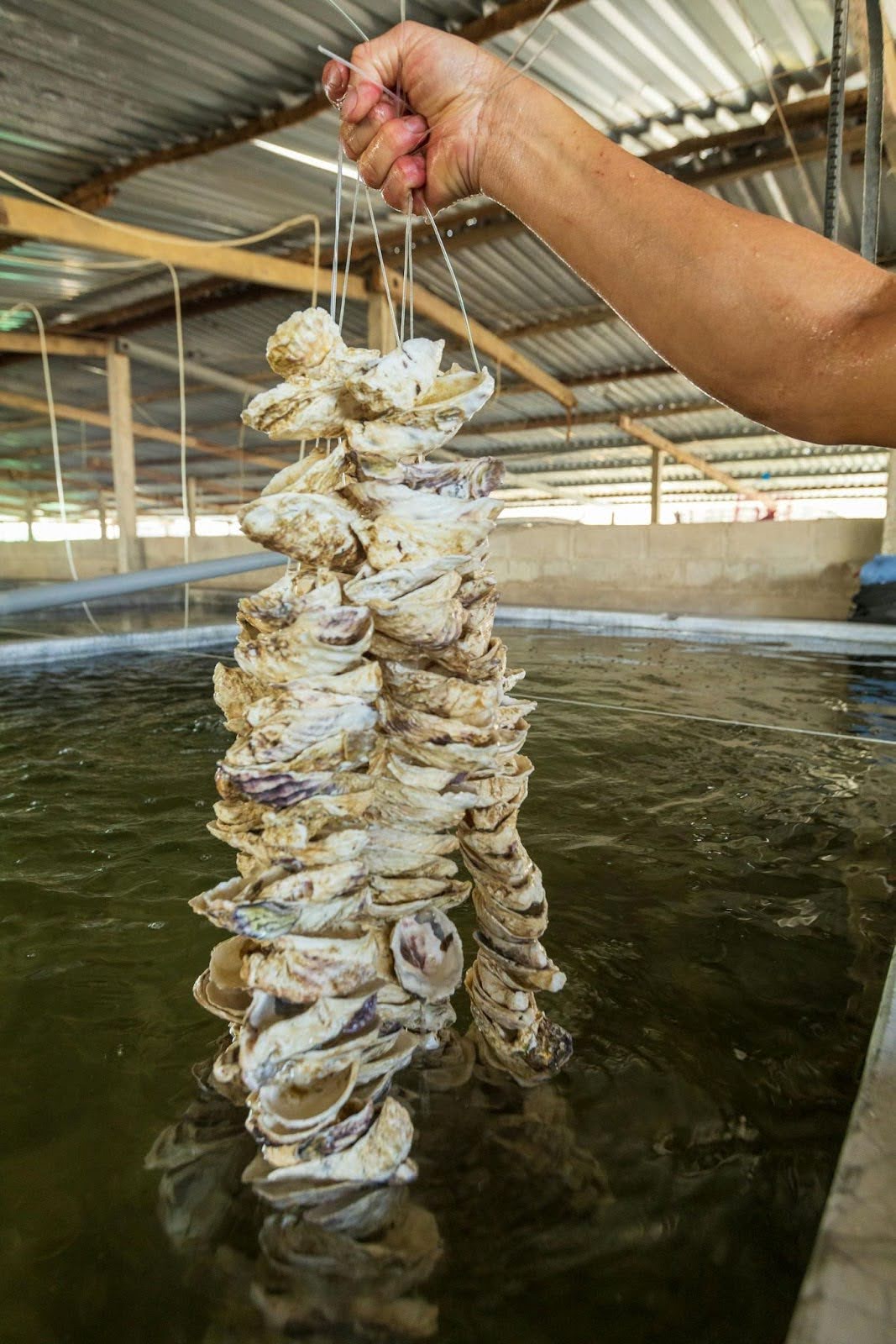
Restaurants across New York donate used oyster, clam, and scallop shells. These shells are cleaned, "cured" (left in open air to neutralize pathogens), and used as the hard surface on which baby oysters (spat) attach.
2. Hatcheries & larval deployment
Larvae are cultured or sourced in hatcheries, then seeded onto the cleaned shells in tanks or "remote setting" facilities before being transported to restoration sites.
3. Site-specific reef construction
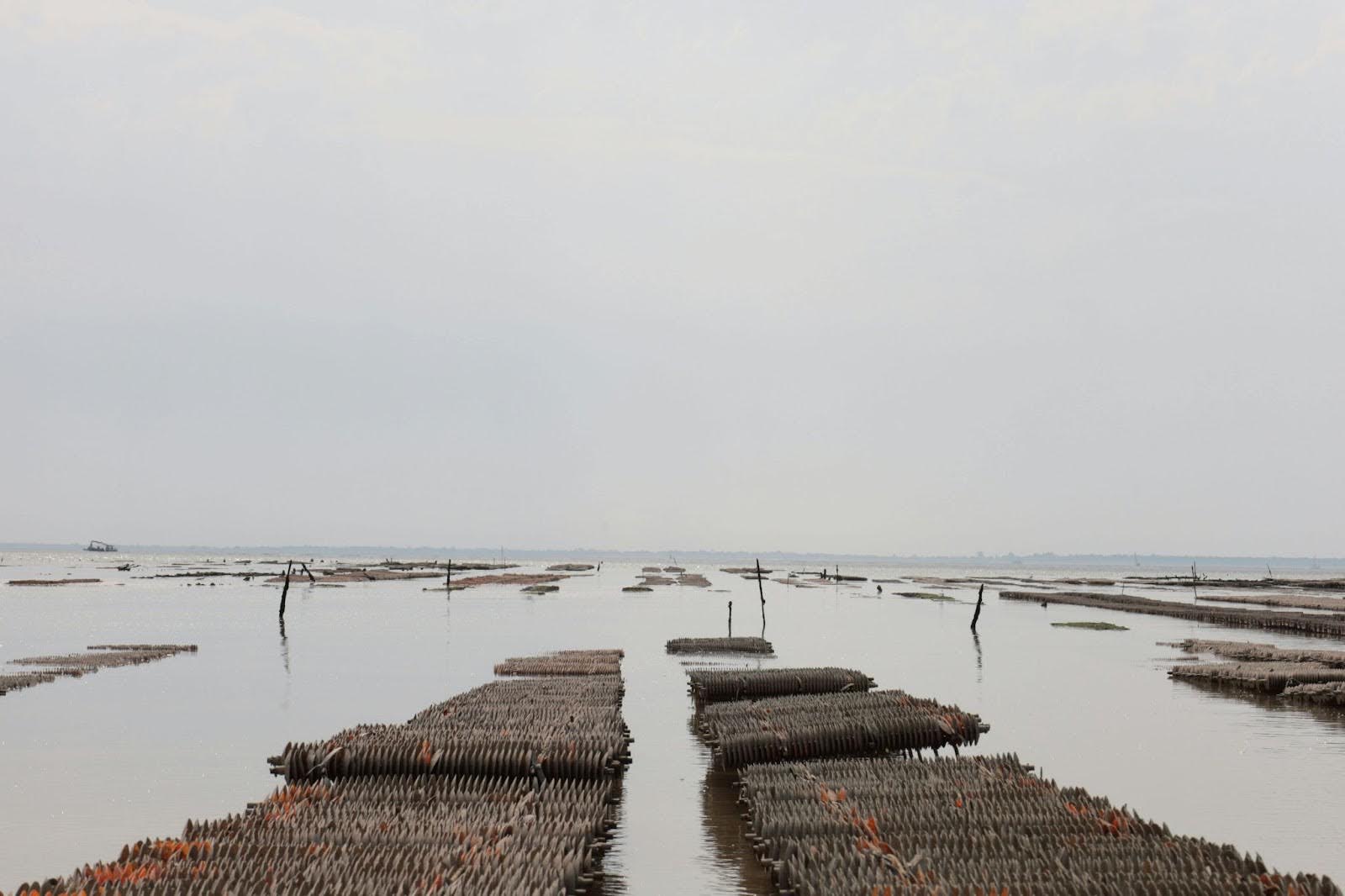
Depending on depth, current, and substrate, BOP uses structures like gabions (steel cages), mesh bags, or engineered reef units to host oysters.
4. Monitoring, adaptation, and science
Each site is monitored for survival rates, growth, recruitment (wild larvae settling), and water quality parameters. The BOP publishes annual monitoring reports to refine methods and scale best practices.
In one telling phrase, BOP treats New York Harbor as a living "laboratory" where restoration is iterative, adaptive, and scientifically grounded.
Voices from the Water
From the Billion Oyster Project website's Our Story page:
Billion Oyster Project has grown from the belief that if we are to continue living, working, teaching, and learning on this planet, we must fundamentally change how humans interact with nature.— Billion Oyster Project
Pete Malinowski, the project's Executive Director and Co-Founder, echoes this ethos, emphasizing the value of real-world engagement:
You can't learn creative problem solving without a complex problem to solve creatively.— Pete Malinowski, Executive Director & Co-Founder, Billion Oyster Project
These statements capture the heart of BOP's philosophy - that restoring nature is not only an ecological act but also an educational one.
From Local Reef to Global Symbol
We often imagine islands as distant. But Manhattan, an "island" of cement and skyscrapers, is also intimately tied to the tides. The Billion Oyster Project shows that even the busiest island must reckon with its watery edges, its ecological context, and the currents that flow through.
At a time when small island nations face existential threats from sea-level rise, their stories of adaptation often ask the world: How much value do we place on nature's defenses? In New York Harbor, oysters are not just wildlife - they are assets in climate resilience.
As New York Climate Week passes, the story we carry is this: we are never truly separated from the sea. An island as central as Manhattan is investing in restoring a reef, rebuilding connection, and carrying forward a living legacy.