
As the 2023 Atlantic hurricane season begins, the Caribbean looks back—and to the future
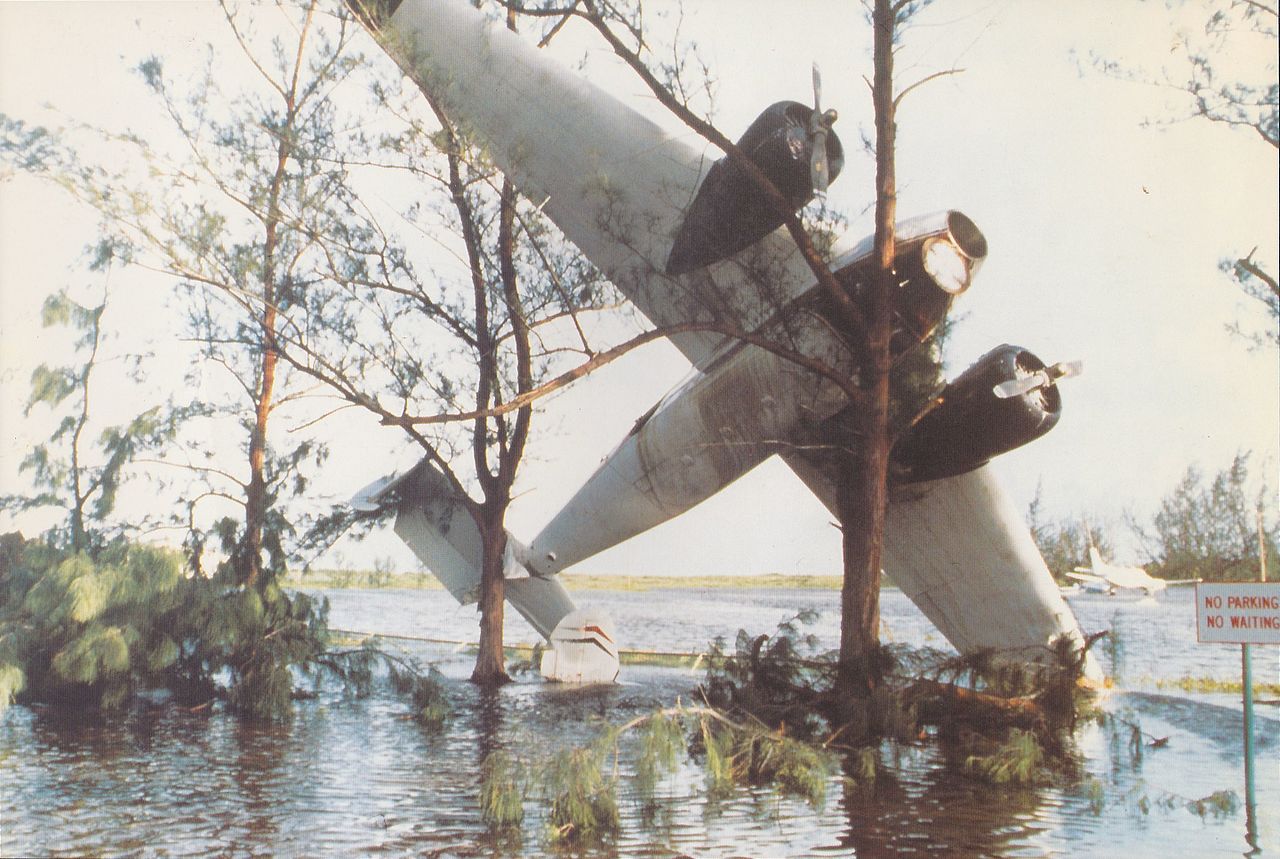
Photo by PvdV (CC BY-SA 3.0) via Wikimedia Commons. Retrieved from globalvoices.org
Marked by “measurable rainfall […] produced by a Tropical Wave and/or the Inter-Tropical Convergence Zone (ITCZ), both of which are the main weather-producing features of Trinidad and Tobago’s wet season,” the country’s meteorological office officially declared the start of the 2023 rainy season on May 26. Since that date, the twin-island republic, which is considered to lie outside of the hurricane belt—has been experiencing adverse weather, some of which has been worthy of yellow level public alerts.
The annual transatlantic hurricane season begins on June 1 and holds the Caribbean to ransom for six tense months with its threat of devastating storms—a pattern that seems to be intensifying as the climate crisis worsens. Barbados’ Meteorological Services have already taken note of the first named storm of the 2023 Atlantic Hurricane Season, Tropical Storm Arlene, which formed in the Gulf of Mexico on the afternoon of June 2.
…
In a sense, that deeper consideration is what all Small Island Developing States (SIDS) have been asking for at the last few climate change conferences, where regional activists have called the crisis an “existential threat.” Most recently, at 2022’s COP27 in Egypt, the Loss and Damage issue, which covers the impacts of climate change that occur despite adaptation and mitigation efforts, was finally added to the agenda. But for there to be any sustainable positive impact on the Caribbean stronger measures are required.
The effects of the 2023 hurricane season—which experts predict will have a 40 percent chance of being near-normal, and a 30 percent possibility of either being above- or below-normal—will help inform whether action is taken as COP28’s Global Stocktake continues.
Thus far, however, the wealthy nations that contribute the most to global greenhouse gas emissions have failed to deliver on the 100 billion US dollar climate finance pledge they made in Copenhagen nearly 14 years ago.